
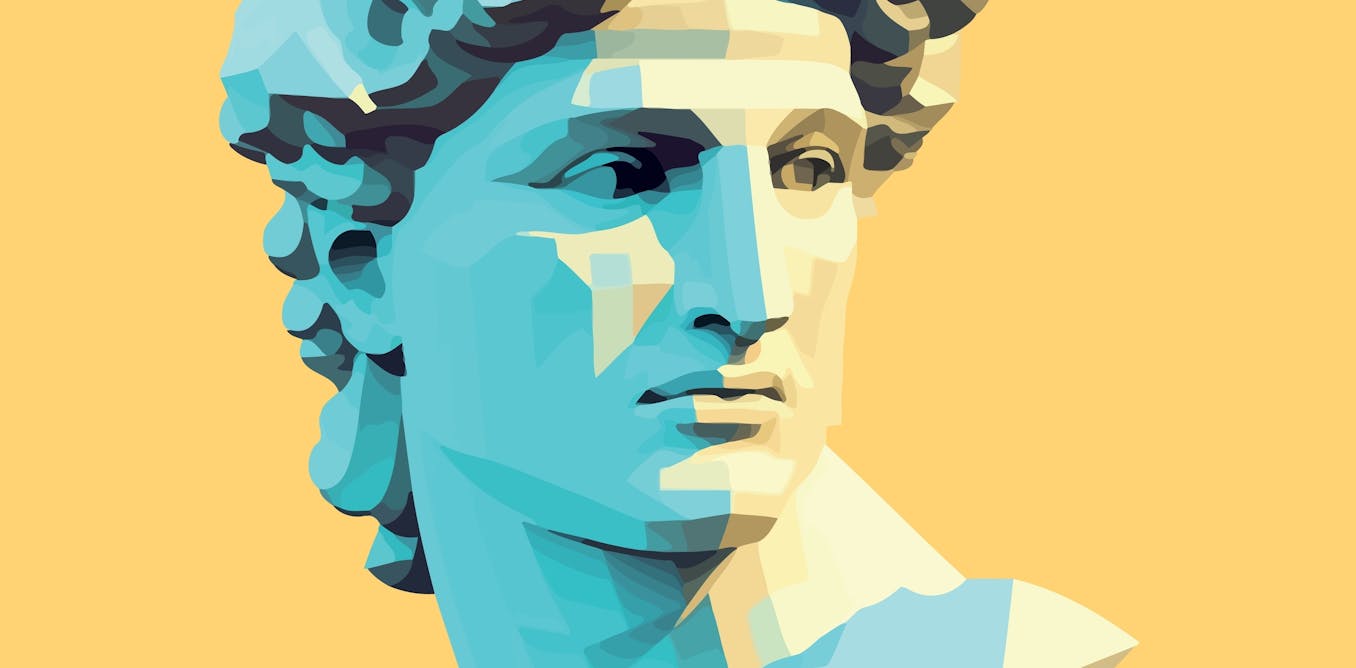
4 Things Ancient Greeks and Romans Got Right About Mental Health
Mental health problems, including depression and anxiety, are global concerns. According to the World Health Organization, approximately 280 million people worldwide have depression, and over 1 billion people suffer from some form of mental illness.
Mental State Is Important
Over 2,000 years ago, people in the ancient world recognized the significance of mental well-being. Homer, a renowned poet from ancient Greece, even suffered from depression, which ultimately contributed to his demise.

In ancient Greece, medical texts like the “Epidemics” highlighted the crucial link between our thoughts and our physical health. One passage notes, “our habits about our thinking (as well as our lifestyle, clothing, housing, physical activity, and sex) are the main determinants of our health.”
Mental Illness Can Make Us Ill
The ancient Greek doctor Galen believed that mental health problems could lead to a wide range of physical and mental illnesses. In one case, a patient he treated developed a fever and ultimately succumbed to mental illness after suffering financial loss.
Galen was convinced that mental health problems were caused by distorted thinking. He advised his patients to reframe their negative thoughts by adopting new ideas and emotions, noting, “a person whose illness is caused by thinking is only cured by taking care of the false idea that has taken over his mind.”
Mental Health Problems Can Be Prevented and Treated
The ancient Greeks and Romans believed that mental health problems could be prevented and treated through various means, including lifestyle changes and pharmacological treatments. They recommended changes in diet, exercise, and social engagement to address mental health issues.
In one notable case, a Roman physician, Caelius Aurelianus, prescribed hellebore to treat mental illness. This herb, though potentially dangerous, was believed to have calming effects.
Addressing Mental Health Requires Effort
From a Greek perspective, addressing mental health issues demanded a fundamental shift in one’s thoughts and actions. Physicians advised patients to undertake activities that directly countered their negative emotions.
In this context, comedy and laughter were seen as therapeutic, as exemplified by the advice of Caelius Aurelianus to treat depression through exposure to comedic performances.
The ancient Greeks and Romans believed that achieving mental health required significant lifestyle changes, a holistic approach to health that integrated physical and mental well-being.
Conclusion
Despite significant advancements in medical technology and knowledge, the insights of the ancient Greeks and Romans regarding mental health remain surprisingly relevant. Their recognition of the interconnectedness of physical and mental well-being, the role of distorted thinking in mental illness, and the potential for prevention and treatment through lifestyle changes are valuable reminders of the complex and multifaceted nature of mental health.
FAQs
What did the ancient Greeks believe about mental health?
The ancient Greeks believed that mental well-being was essential to overall health. They recognized the interconnectedness of physical and mental well-being, highlighting the importance of thinking, lifestyle, and habits in shaping one’s health.
Did the ancient Greeks have a concept of depression?
The ancient Greeks were aware of mental health issues that align with modern-day concepts of depression. Homer, a renowned poet, is said to have suffered from depression, and ancient Greek medical texts addressed the issue.
How did the ancient Greeks treat mental health issues?
The ancient Greeks and Romans employed a range of treatments, including pharmacological therapies like hellebore and lifestyle changes like changes in diet and exercise. They also recognized the therapeutic benefits of comedy and laughter.
Were ancient Greek and Roman doctors trained in psychiatry?
The ancient Greeks and Romans did not have a specific field of study called psychiatry. Instead, they approached mental health as part of a broader understanding of the interconnectedness of physical and mental well-being.
Do ancient Greek and Roman writings provide insight into modern-day mental health concerns?
Yes, ancient Greek and Roman writings provide valuable insights into mental health, highlighting the timeless importance of recognizing the interconnectedness of physical and mental well-being, the role of distorted thinking in mental illness, and the potential for prevention and treatment through lifestyle changes.
Recommended Products:
-
Sale!

BodyBio Phosphatidylcholine 60 Softgels – Nootropic Booster for Brain Health – Mental Clarity for Focus and Memory – Neuroprotection for Healthy Aging
Original price was: $59.99.$55.00Current price is: $55.00. Buy Now -

NATURELO Burpless Omega 3 Fish Oil Supplement – 1100mg Triglyceride Omega-3, EPA + DHA, Liquid Fish Oil Omega 3 for Heart, Eye, Brain, Joint Health – 60 Softgels, 2 Months Supply
$29.95 Buy Now -
Sale!

Jarrow Formulas Ashwagandha Capsules, 300 mg Supplement Supports Normalized Resistance to Mental and Physical Stress, 120 Veggie Capsules, 60 Day Supply
Original price was: $26.99.$18.39Current price is: $18.39. Buy Now