
:max_bytes(150000):strip_icc()/The-1-Protein-for-Heart-Health-According-to-a-Cardiologist-d13ec13b649f4023b11284e2979379ee.jpg "The #1 Protein for Heart Health")
The #1 Protein for Heart Health
Why Is Heart Health Important?
Heart disease is the number one cause of death in the United States. With diet and lifestyle changes, even if you have one or more of the top three risk factors – high cholesterol, high blood pressure, and smoking – you can significantly reduce your heart disease risk. The American Heart Association recommends the Mediterranean diet pattern and the DASH diet to reduce heart disease risk.
The #1 Protein for Heart Health
Experts agree that fish is the best protein for heart health. A pesco-Mediterranean diet that includes proteins from seafood sources high in omega-3 fatty acids and low in saturated fats is one of the best heart-healthy diets you can adopt.
Good Source of Heart-Healthy Fats
Fish is generally lower in saturated fat than other animal proteins like beef or pork and provides omega-3 fatty acids, which are essential for heart health. Omega-3s may also help reduce your risk of coronary disease. The body can’t make omega-3s, so it depends on dietary intake. Salmon, tuna, sardines, and mackerel are some of the fish varieties highest in omega-3s.

To Make Sure You’re Hitting the Mark on Dietary Omega-3s
The AHA recommends eating two 3-ounce servings of fish (particularly fatty fish) per week. Research has found that for every 20 grams of fish a person ate per day, the risk of heart disease and mortality decreased by 4%.
May Lower Cholesterol Levels
Eating fish a couple of times a week may help lower your cholesterol levels. Research has found that people who ate at least eight ounces of fatty fish per week had more favorable cholesterol profiles (including better HDL cholesterol) than those who ate fewer than four ounces of fish weekly.
May Help Lower Triglyceride Levels
The omega-3 fatty acids in fatty fish may also help lower your triglyceride levels, which are a type of fat in your bloodstream. Having high triglyceride levels puts you at increased risk for heart disease. A review of studies that looked at fish intake and cholesterol found that fish intake could decrease triglyceride levels by 10 to 23%, depending on the study.
Anti-Inflammatory Nutrients
Fatty fish aren’t only a good source of omega-3 fats. Many are also rich in anti-inflammatory vitamin D. For instance, a 3.5-ounce serving of salmon provides 66% of the Daily Value of this hard-to-get nutrient. This combination of omega-3s and vitamin D may double down on inflammation in the body.
Other Tips for Heart Healthy Eating
- Cut back on added sugar intake: In general, most of us consume much more added sugars in our diets than we need. The AHA recommends limiting added sugars to six to nine teaspoons per day, which is roughly 100 to 150 calories.
- Opt for Healthier Fats: Consuming too much saturated fat can increase your risk of heart disease over time. You can improve your heart health by replacing saturated fat with heart-friendly unsaturated fats from olive oil, nuts, seeds, fatty fish, and avocado.
- Drink Less Alcohol: For those who choose to drink alcohol, the AHA recommends no more than two drinks per day for men and one drink per day for women. However, some research suggests any level of alcohol consumption may increase heart disease risk.
Conclusion
Choosing heart-healthy protein foods doesn’t have to be complicated. Fish are clearly a great choice, but don’t stop there. Cardiologists are also huge fans of plant protein from foods like beans, pulses, tofu, edamame, and quinoa. Remember, heart-healthy eating is about variety and balance. By incorporating more fish and plant-based protein sources into your diet, you can significantly reduce your risk of heart disease.
FAQs
Q: Why is fish the best protein for heart health?
A: Fish is high in omega-3 fatty acids, which are essential for heart health.
Q: How often should I eat fish?
A: The AHA recommends eating two 3-ounce servings of fish (particularly fatty fish) per week.
Q: Can plant-based protein sources be heart-healthy?
A: Yes, plant-based protein sources like beans, pulses, tofu, edamame, and quinoa are an excellent source of protein and can be part of a heart-healthy diet.
Q: How can I make sure I’m getting enough omega-3s?
A: You can take a supplement or eat foods rich in omega-3s like fish, flaxseeds, and chia seeds.
Recommended Products:
-
Sale!

Milk Thistle Extract, Supports Liver Health, Standardized to 80% Silymarin Flavonoids, 175 mg, 60 Veggie Capsules
Original price was: $12.49.$9.99Current price is: $9.99. Buy Now -

Ancient Nutrition Regenerative Organic Certified Turmeric Capsules, Once Daily, Use as a Joint Supplement and Supports Inflammation, Gluten Free, Paleo and Keto Friendly, 90 Count
$39.83 Buy Now -
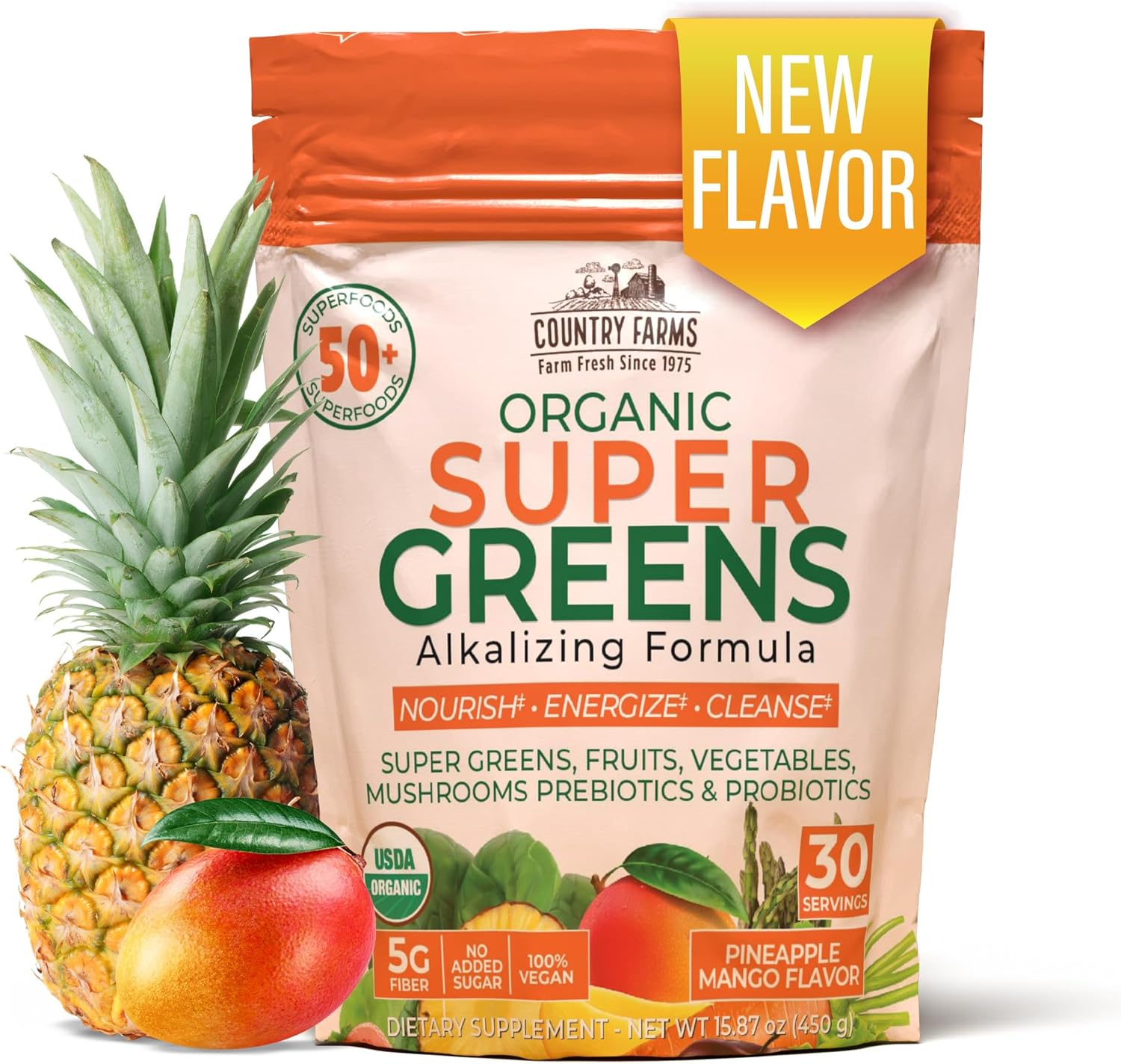
COUNTRY FARMS Super Greens Pineapple-Mango Flavor, 50 Organic Super Foods, USDA Organic Drink Mix (Wheat Grass, Spirulina, Chlorella) Mushrooms & Probiotics, Natural Energy, 30 Servings
$28.27 Buy Now


:max_bytes(150000):strip_icc()/The-1-Protein-for-Heart-Health-According-to-a-Cardiologist-d13ec13b649f4023b11284e2979379ee.jpg&description=The+%231+Protein+for+Heart+Health)