
:max_bytes(150000):strip_icc()/Adding-Just-2-Cups-of-Fruits-and-Veggies-to-Your-Diet-Can-Reduce-Cardiovascular-Disease-Risk-New-Study-Says-f60296dbf31f43d08f358f9027805e35.jpg "Eating More Fruits and Veggies May Reduce Heart Disease Risk")
Eating More Fruits and Veggies May Reduce Heart Disease Risk
Let’s face facts: America has a cardiovascular health issue. According to the Centers for Disease Control and Prevention (CDC), heart disease is the leading cause of death in the nation; one in 20 U.S. adults has coronary artery disease, and someone in America has a heart attack every 40 seconds.
This health issue is closely linked to chronic kidney disease (CKD) since hypertension (a.k.a. high blood pressure) is a primary risk factor for cardiovascular problems and contributes to the development and progression of CKD.
Fortunately, a new study published in The American Journal of Medicine on August 5th, 2024, reveals how healthy dietary changes can lower cardiovascular disease risk and boost kidney health.

What the Study Found
The research team, led by Donald E. Wesson, M.D., from Dell Medical School at The University of Texas at Austin, focused on patients with hypertension and high levels of urine albumin excretion, a marker of CKD.
Researchers divided the study’s 153 participants into three groups: one increased their fruit and vegetable intake, another took sodium bicarbonate (NaHCO3) supplements, and a third received standard medical care. Over the five years, the study found that while fruits and vegetables and NaHCO3 improved kidney health, only the fruit and vegetable group experienced significant reductions in blood pressure and cardiovascular disease risk.
The Importance of Fruits and Vegetables
Wesson told ScienceDaily, “Our patient studies showed… an acid-producing diet (one high in animal products) was kidney-harmful, and one that is base-producing (one high in fruits and vegetables) is kidney-healthy. Other investigators showed that a diet high in fruits and vegetables is heart-healthy. We hypothesized that one way that fruits and vegetables are both kidney- and heart-healthy is that they reduce the amount of acid in the diet and therefore the amount of acid that kidneys have to remove from the body.
The study’s co-investigator, Maninder Kahlon, Ph.D. at the Department of Population Health at Dell Medical School, adds that the results support a shift in how hypertension treatment can be approached. Rather than starting with medications and adding dietary strategies, the research advocates making fruits and vegetables a foundational part of treatment. This approach addresses three critical goals: improving kidney health, lowering blood pressure and reducing cardiovascular disease risk—all essential for managing hypertension.
Reducing the Body’s Acid Load
The researchers noted that beyond their cardiovascular and kidney health benefits, fruits and vegetables also help reduce the body’s acid load. High-acid diets, often rich in animal products, can strain the kidneys, while a diet high in fruits and vegetables helps balance the body’s pH levels to support kidney health.
The Bottom Line
A new study in The American Journal of Medicine found that adding 2 to 4 cups of fruits and vegetables daily can help manage blood pressure and reduce cardiovascular disease risk while allowing for lower medication doses. These findings suggest that healthy dietary changes such as eating more fruits and vegetables can help manage high blood pressure, improve cardiovascular health and keep your kidneys functioning properly.
Conclusion
The study’s findings highlight the importance of incorporating fruits and vegetables into your diet to reduce the risk of cardiovascular disease and improve kidney health. By making healthy dietary changes, individuals can take control of their health and reduce their reliance on medications. The key is to aim for 2 to 4 cups of fruits and vegetables daily and to make these changes a foundational part of treatment.
FAQs
Q: What are the benefits of eating more fruits and vegetables?
A: Eating more fruits and vegetables can help manage blood pressure, reduce cardiovascular disease risk, and improve kidney health.
Q: How many cups of fruits and vegetables should I aim for daily?
A: Aim for 2 to 4 cups of fruits and vegetables daily to reap the benefits.
Q: Can I achieve these benefits by taking supplements or medication?
A: No, supplements or medication cannot replace the benefits of eating a diet rich in fruits and vegetables. A healthy diet is essential for overall health and well-being.
Q: How can I incorporate more fruits and vegetables into my diet?
A: Try simple swaps like replacing processed snacks with fresh fruit or adding a side of vegetables to your main dishes. Aim to incorporate a variety of colorful fruits and vegetables into your meals.
Recommended Products:
-

Libido Booster for Women, Increase Sensitivity & Desire, Women’s Libido- Female Libido Booster with Horny Goat Weed, Maca, Tribulus, Ashwagandha & More- USA, Keto – 60 capsules
$29.20 Buy Now -
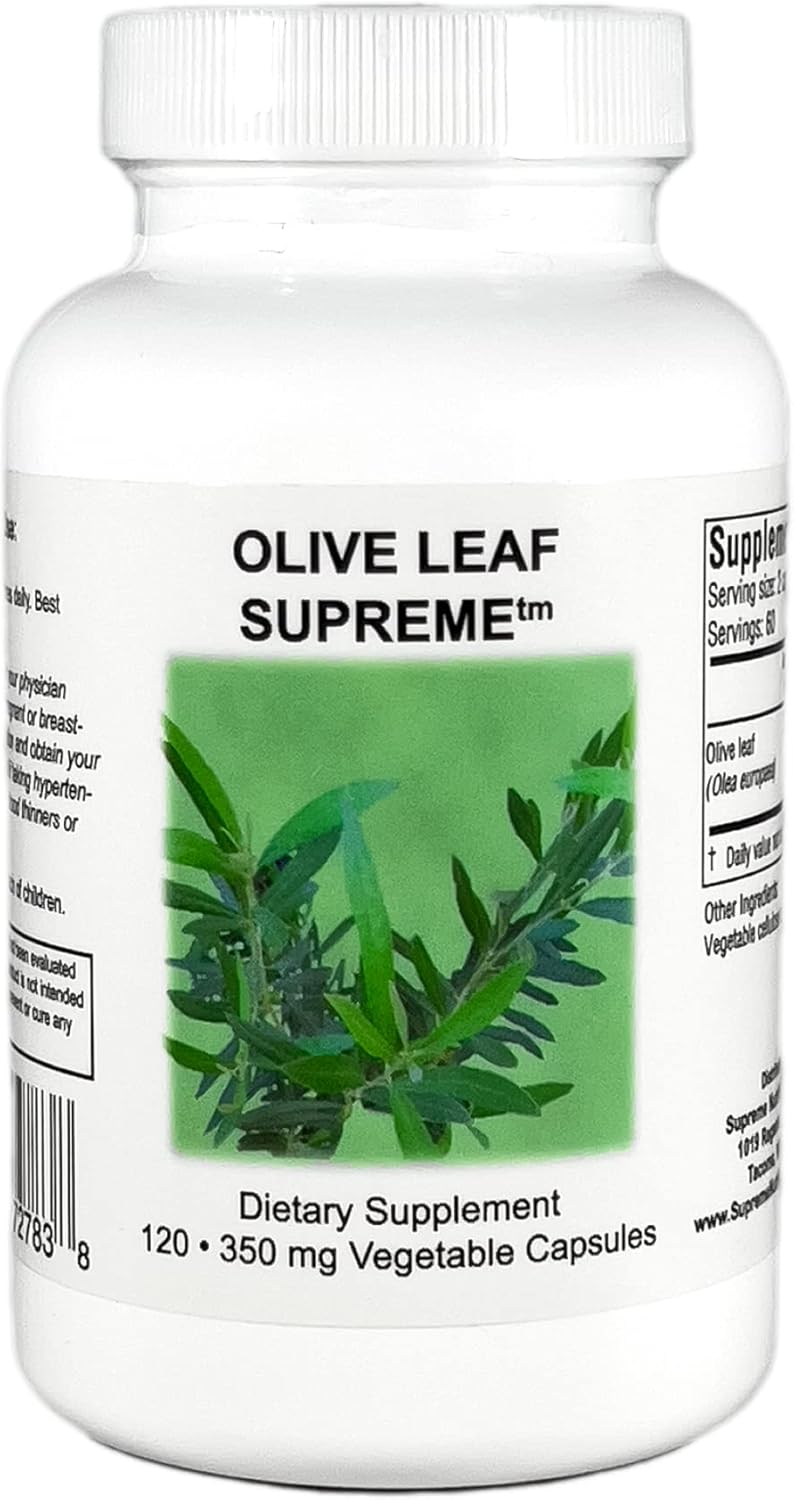
Supreme Nutrition Olive Leaf, 120 Pure Olive Leaf Vegetarian Capsules
$27.99 Buy Now -

Brewers Yeast Powder for Lactation Cookies for Breastfeeding – Lactation Supplement for Increased Breast Milk – Nutritional Yeast for Lactation Support – Breastmilk Supplement for Women – Easy to Bake
$19.99 Buy Now


:max_bytes(150000):strip_icc()/Adding-Just-2-Cups-of-Fruits-and-Veggies-to-Your-Diet-Can-Reduce-Cardiovascular-Disease-Risk-New-Study-Says-f60296dbf31f43d08f358f9027805e35.jpg&description=Eating+More+Fruits+and+Veggies+May+Reduce+Heart+Disease+Risk)