
:max_bytes(150000):strip_icc()/The-Best-Time-to-Take-Omega-3s-for-Maximum-Absorption-According-to-Experts-61daac17caf4449393932b25ceefad66.jpg "The Best Time to Take Omega-3s for Maximum Absorption")
The Best Time to Take Omega-3s for Maximum Absorption
Factors to Consider
Omega-3 fatty acids are an essential part of the human diet, playing a crucial role in heart, brain, and joint function. These fats, found in various foods like fish, flaxseeds, and walnuts, are known for their anti-inflammatory properties and potential to reduce the risk of chronic diseases such as heart disease and arthritis. Despite the presence of omega-3s in foods, supplementation may be necessary for some, as omega-3 deficiency has been associated with depression, reduced ability to learn, and higher risk of certain types of cancer.
Type
There are three main types of omega-3 fatty acids: EPA, DHA, and ALA. EPA and DHA, often found in fish oil and algae oil, are typically easier for the body to utilize. ALA, found in plant-based sources like flaxseed, walnuts, and chia seeds, needs to be converted into EPA and DHA in the body before it can be used. However, this conversion is fairly inefficient, with only a small amount of ALA turning into EPA and DHA. Because of this, it’s recommended to seek out EPA and DHA in omega-3 supplements if you don’t avoid animal products.
Sources
As you shop for omega-3 supplements, you’ll notice that sources of these essential fatty acids vary. Research shows that absorption varies depending on the source, so it’s key to keep this in mind when purchasing. Below are three of the most common omega-3 supplement sources:

* Fish Oil: While fish oil is rich in EPA and DHA, it’s recommended to choose high-quality fish oil to avoid contaminants like heavy metals.
* Krill Oil: Krill oil also provides EPA and DHA, but as registered dietitian Keelin Murphy M.S., RD, of Third Eye Nourishment notes, “Krill oil has been shown to be more bioavailable than fish oil.” Additionally, krill oil contains the powerful antioxidant astaxanthin, which has been shown to help reduce oxidative stress.
* Algae Oil: Algae oil, on the other hand, is primarily composed of ALA, with some varieties fortified with EPA. These options are plant-based, making them a good choice for those following a vegetarian or vegan diet.
Optimal Timing for Omega-3 Supplement
As Murphy notes, “There needs to be more research done to give timing recommendations on omega-3 supplements. Mostly because measuring bioavailability is difficult.” She goes on to add, “One study observed better heart health outcomes when supplementing at dinner, and worse health outcomes when supplementing at breakfast, attributing these results to circadian rhythm and stomach acid oxidation when consumed on an empty stomach.”
Morning vs. Evening
However, registered dietitian Jaime Bachtell-Shelbert, RD, of Wholly Nourished brings up an interesting point, “For those who experience reflux and the unwanted fish taste after taking an omega-3s, I recommend a split dose by taking half a dose before breakfast and the other half before dinner.”
Timing Around Meals
Probably most importantly of all, the presence of fat in the digestive system aids in the digestion and absorption of these essential fatty acids. Because omega-3s are fat-soluble, it’s recommended to consume them with a fat-containing meal to enhance their bioavailability. As Bachtell-Shelbert explains, “It is recommended to take omega-3 supplements immediately before a meal that includes healthy fats. Doing so avoids floating oil in the stomach and promotes mixing with the meal for better digestion.”
Tips for Enhancing Absorption of an Omega-3 Supplement
Avoid Taking with High Fiber Meals
It’s a good idea to avoid taking omega-3 supplements with high-fiber meals because fiber can make it harder for the body to absorb these nutrients, by binding with the omega-3s or reducing how well the body absorbs them. For the best results, it’s recommended to take these supplements with meals that contain moderate to high levels of fat, but lower levels of fiber.
Stay Consistent
These fatty acids work best when they build up to sufficient levels in the body over time. Regular consumption of these supplements helps to ensure steady levels of omega-3s within the body. Missing doses or taking them more sporadically might reduce their effectiveness and hinder their long-term benefits.
Check for Freshness
Murphy adds, “It’s also important to consider that fish-oil and other supplemental sources of omega-3’s can go rancid after time. I recommend purchasing new supplements every 3 to 4 months to ensure optimal absorption.” Freshness is crucial because these fatty acids are prone to oxidation, which can reduce their beneficial properties. Oxidized omega-3s can even potentially produce harmful free radicals. Opt for a smaller size bottle if you’re worried about them going bad, and consider storing them in the refrigerator to extend their shelf life.
The Bottom Line
To maximize the benefits of omega-3 supplements, understanding optimal timing and staying consistent are key. Omega-3s play a vital role in many health systems, and their effectiveness can be influenced by how and when they are taken. Ensuring that supplements are consumed with meals containing healthy fats can help enhance absorption, and regular intake helps maintain adequate levels in the body for long-term benefits. Additionally, prioritizing freshness and avoiding high-fiber meals can further help you utilize these essential fatty acids. Always talk to your doctor or registered dietitian before trying something new to get individualized advice.
FAQs
Q: What are the best sources of omega-3 fatty acids?
A: The best sources of omega-3 fatty acids include fish oil, krill oil, and algae oil.
Q: Why is it important to take omega-3 supplements with a fat-containing meal?
A: Omega-3s are fat-soluble, so consuming them with a fat-containing meal can help enhance their bioavailability.
Q: Can omega-3 supplements be taken with high-fiber meals?
A: No, it’s recommended to avoid taking omega-3 supplements with high-fiber meals because fiber can make it harder for the body to absorb these nutrients.
Q: How often should I take omega-3 supplements?
A: It’s recommended to take omega-3 supplements regularly to ensure steady levels of omega-3s within the body. Missing doses or taking them more sporadically might reduce their effectiveness and hinder their long-term benefits.
Q: How can I ensure the freshness of my omega-3 supplements?
A: It’s recommended to purchase new supplements every 3 to 4 months to ensure optimal absorption. You can also store them in the refrigerator to extend their shelf life.
Recommended Products:
-
Sale!

Milk Thistle Extract, Supports Liver Health, Standardized to 80% Silymarin Flavonoids, 175 mg, 60 Veggie Capsules
Original price was: $12.49.$9.99Current price is: $9.99. Buy Now -

Ancient Nutrition Regenerative Organic Certified Turmeric Capsules, Once Daily, Use as a Joint Supplement and Supports Inflammation, Gluten Free, Paleo and Keto Friendly, 90 Count
$39.83 Buy Now -
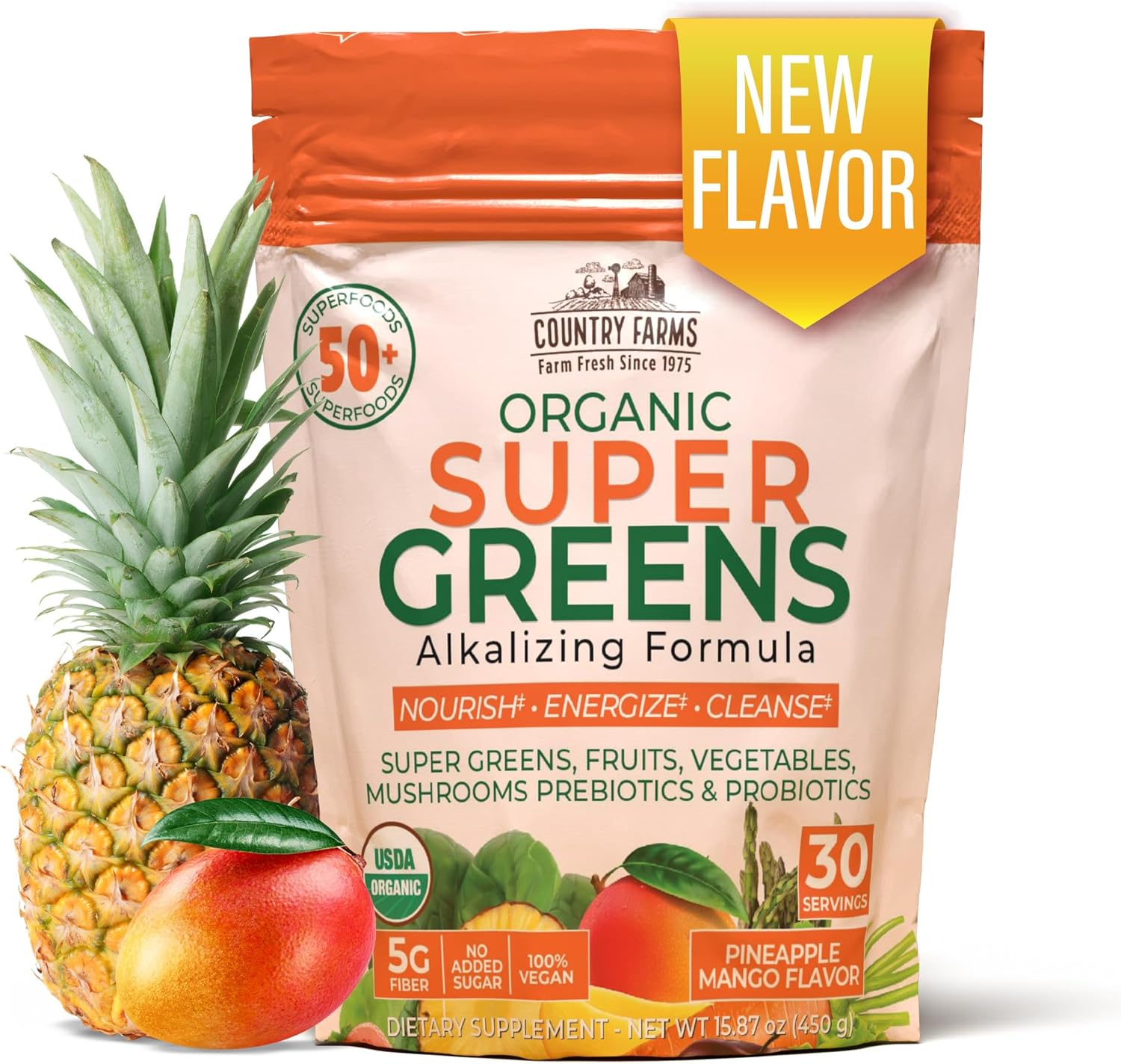
COUNTRY FARMS Super Greens Pineapple-Mango Flavor, 50 Organic Super Foods, USDA Organic Drink Mix (Wheat Grass, Spirulina, Chlorella) Mushrooms & Probiotics, Natural Energy, 30 Servings
$28.27 Buy Now


:max_bytes(150000):strip_icc()/The-Best-Time-to-Take-Omega-3s-for-Maximum-Absorption-According-to-Experts-61daac17caf4449393932b25ceefad66.jpg&description=The+Best+Time+to+Take+Omega-3s+for+Maximum+Absorption)