
:max_bytes(150000):strip_icc()/does-inflammation-harm-gut-health-optimize-fbdcea63e87b4f50a71effc3b8f15d5a.gif "Does Inflammation Harm Your Gut Health?")
Inflammation is the body’s natural response to injury, infection, or stress. It’s a vital function that helps your body defend against harm. However, when inflammation becomes chronic, it can lead to various health problems, including those related to the gut. In this post, we’ll explore the connection between inflammation and gut health.

Before we dive into the details, it’s essential to understand what inflammation is and its two main types.
Acute inflammation is your body’s immediate response to injury, infection, or stress. It’s a necessary reaction that helps to protect the body and facilitate healing. However, when the source of inflammation is cleared, acute inflammation typically resolves on its own.
Chronic inflammation, on the other hand, is a persistent, low-grade inflammatory response that can last for months or even years. It’s often triggered by factors such as a poor diet, lack of physical activity, or exposure to toxins. Chronic inflammation can be harmful, as it can lead to tissue damage, disrupt normal bodily processes, and increase the risk of chronic diseases.
Inflammation can indeed harm your gut health, and vice versa. Inflammation can lead to digestive issues such as irritable bowel syndrome (IBS), Crohn’s disease, and ulcerative colitis. These conditions can cause chronic pain, bloating, diarrhea, and changes in bowel movements.
While acute inflammation can cause temporary discomfort, it’s usually harmless and may even be beneficial in some cases. However, chronic inflammation can be a persistent threat to overall health. Short-term inflammation may help your body to recover from an injury, while chronic inflammation can disrupt normal physiological processes and contribute to a range of chronic diseases.
When inflammation occurs in the gut, it can cause a range of damage, including:
- Mucosal barrier disruption: The intestinal lining is made up of epithelial cells that maintain the integrity of the mucosa. Inflammation can disrupt this barrier, leading to a loss of digestive enzymes, electrolytes, and micronutrients.
- Dysbiosis: Chronic inflammation can alter the balance of the gut microbiome, leading to a proliferation of pro-inflammatory species and the depletion of beneficial microorganisms.
- Tight junction disruption: Inflammation can lead to a breakdown of tight junctions between epithelial cells, resulting in the passage of undigested food particles and toxins across the mucosal barrier.
Reducing chronic inflammation and maintaining a healthy gut microbiome is crucial for overall well-being. Eating a balanced diet rich in fruits, vegetables, and whole grains can help to reduce inflammation and promote digestive health.
To support gut health and reduce inflammation:
- Eat foods with prebiotics to nourish beneficial gut bacteria.
- Include fermented foods, such as yogurt, kefir, and sauerkraut, to boost probiotic intake.
- Incorporate healthy fats, like avocado, nuts, and seeds, which contain omega-3 fatty acids with anti-inflammatory properties.
- Consume polyphenol-rich foods, such as dark chocolate and berries, to reduce oxidative stress and inflammation.
- Stay hydrated to prevent constipation and support healthy gut function.
Conclusion:
Inflammation can be a helpful response in the short-term, but chronic inflammation can cause significant damage to the body, particularly in the gut. A healthy diet rich in fiber, fruits, vegetables, and whole grains can help to reduce chronic inflammation and promote digestive health. In addition to these dietary recommendations, incorporating probiotics, fermented foods, and omega-3 rich foods into your diet may also provide additional benefits. Remember, managing stress, getting enough sleep, and staying active are also important for reducing inflammation and supporting overall well-being.
Frequently Asked Questions:
Q: How can I reduce inflammation in my diet?
A: To reduce inflammation in your diet, focus on consuming more fruits, vegetables, and whole grains, which are rich in fiber, vitamins, and minerals. Additionally, include anti-inflammatory compounds like polyphenols from dark chocolate, berries, and leafy greens, and healthy fats like avocado, nuts, and seeds.
Q: Are all inflamed conditions detrimental to my gut health?
A: Not necessarily. In the short-term, some acute inflammatory conditions may actually promote healing. However, chronic inflammation caused by conditions like Crohn’s disease or ulcerative colitis can lead to persistent digestive issues and an increased risk of chronic diseases.
Q: What are the symptoms of inflammation in the gut?
A: Common symptoms of inflammation in the gut may include changes in bowel habits, bloating, pain, constipation, and diarrhea.
Q: Can gut inflammation be reduced with exercise?
A: While there is some evidence suggesting that exercise can reduce chronic inflammation, further research is needed to understand the full impact of physical activity on gut inflammation.
Q: Can a healthy diet really reduce gut inflammation?
A: Yes, a healthy diet rich in fiber, fruits, and vegetables has been shown to reduce chronic inflammation and promote gut health.
Q: What other factors can contribute to gut inflammation besides diet?
A: Environmental toxins, stress, and lack of sleep may also contribute to chronic gut inflammation. It’s essential to address these factors when seeking to reduce inflammation.
Recommended Products:
-
Sale!

Seacure 180 Capsules
Original price was: $32.66.$27.45Current price is: $27.45. Buy Now -
![Horny Goat Weed For Men and Women – [Maximum Strength 1590mg] – Maca, Ginseng, L-Arginine, Tribulus – Premium Hornygoatweed For Men – Icariin Epimedium For Men – 3rd Party Tested – USA Made – 60 Count](https://m.media-amazon.com/images/I/81gld25-MNL._AC_SL1500_.jpg "Horny Goat Weed For Men and Women – [Maximum Strength 1590mg] – Maca, Ginseng, L-Arginine, Tribulus – Premium Hornygoatweed For Men – Icariin Epimedium For Men – 3rd Party Tested – USA Made – 60 Count")
Horny Goat Weed For Men and Women – [Maximum Strength 1590mg] – Maca, Ginseng, L-Arginine, Tribulus – Premium Hornygoatweed For Men – Icariin Epimedium For Men – 3rd Party Tested – USA Made – 60 Count
$13.49 Buy Now -
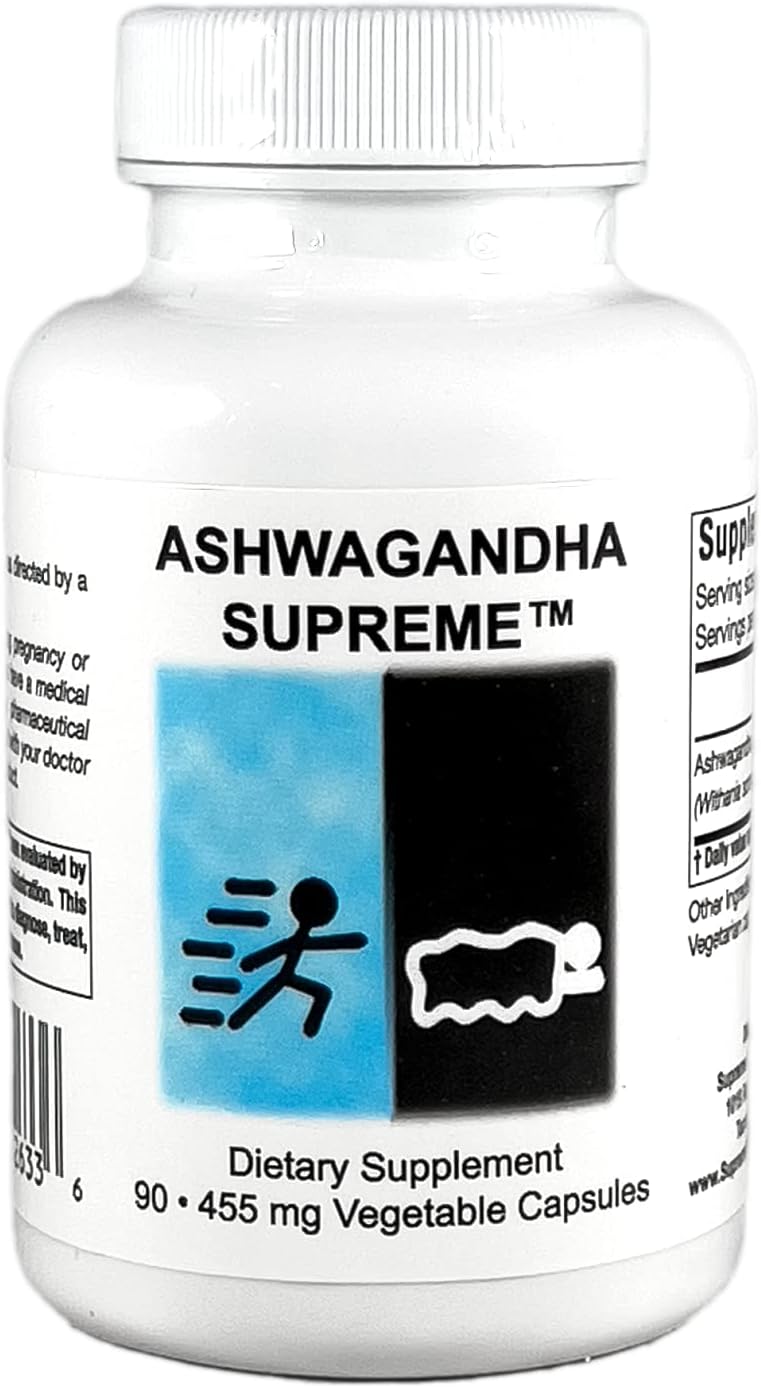
Supreme Nutrition Ashwagandha, 90 Pure Ashwagandha Vegetarian Capsules
$26.99 Buy Now


:max_bytes(150000):strip_icc()/does-inflammation-harm-gut-health-optimize-fbdcea63e87b4f50a71effc3b8f15d5a.gif&description=Does+Inflammation+Harm+Your+Gut+Health%3F)