Why Do I Get So Anxious After Drinking? Here’s the Science Behind ‘Hangxiety’
What is Hangxiety?
Hangxiety, also known as post-alcohol anxiety, is a common phenomenon where individuals experience increased anxiety after consuming alcohol. It’s a mixture of physical and mental symptoms that can leave you feeling overwhelmed, anxious, and stressed. Did you know that hangxiety affects approximately 22% of social drinkers?

What Does Hangover-Induced Anxiety Feel Like?
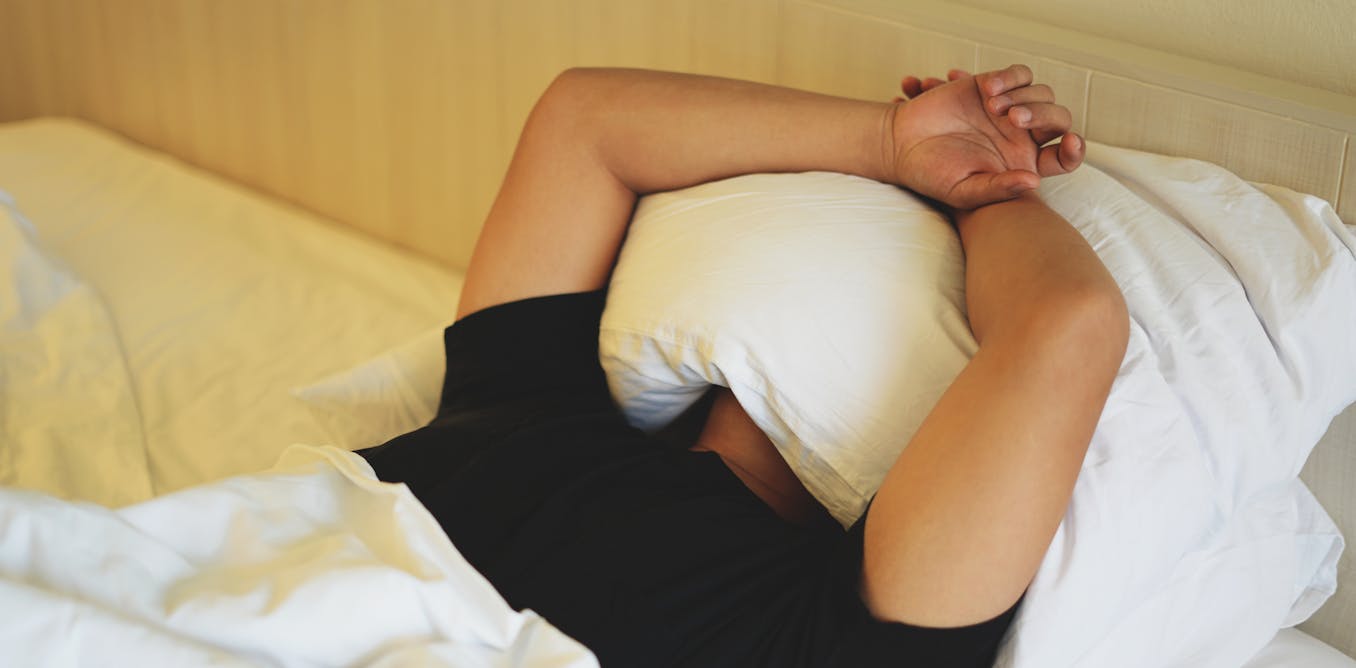
For some, hangxiety is a mild bout of nerves, while for others, it’s a wave of anxiety that’s hard to shake off. The "Sunday scaries" can lead to feelings of panic, dread, and inability to relax. Simple tasks may become overwhelming, and you might feel like you’re stuck in a cycle of worry.
How Does Hangxiety Happen?
Alcohol can alter how certain chemical messengers in our brains function. It increases gamma-aminobutyric acid (GABA), the neurotransmitter responsible for relaxation and reduces glutamate, which slows down our thoughts. As the effects of alcohol wear off, our brain responds by reducing GABA and increasing glutamate, leading to feelings of overstimulation and anxiety.
Genetics Play a Role
Genetics can significantly impact how our bodies process alcohol, making some people more prone to intense hangover symptoms, including anxiety. Research indicates that genetics can explain almost half of the reason why someone experiences a hangover, while their friend might not.
The Impact of What We Do While Drinking
What we do while drinking can also contribute to hangxiety. For example, ruminating on conversations or experiences can lead to anxiety and worry. Research suggests that individuals already prone to anxiety are more susceptible to hangxiety.
Preventing Hangxiety
The best way to prevent hangxiety is to limit your alcohol consumption. The Australian guidelines recommend no more than 10 standard drinks per week and no more than 4 standard drinks on any one day.
Managing Hangxiety
If you wake up feeling anxious:
- Focus on physical recovery to ease mental strain.
- Drink plenty of water, eat a light meal, and allow yourself time to rest.
- Try mindfulness meditation or deep breathing exercises to calm your mind.
- Consider journaling to reframe anxious thoughts and practice self-compassion.
- Talk to a close friend to express concerns and feel less isolated.
Conclusion
Hangxiety is an unwelcome guest after a night out. By understanding the science behind it and how to manage it, you can make the morning after a little less daunting and reduce those anxious thoughts.
FAQs
Q: What is hangxiety?
A: Hangxiety is a condition where individuals experience increased anxiety after consuming alcohol.
Q: How common is hangxiety?
A: Approximately 22% of social drinkers experience hangxiety.
Q: What causes hangxiety?
A: Hangxiety is caused by changes in neurotransmitters in the brain, genetics, and what we do while drinking.
Q: How can I prevent hangxiety?
A: Limit your alcohol consumption and practice mindfulness to reduce symptoms.
Q: How can I manage hangxiety?
A: Focus on physical recovery, practice mindfulness, journal, and talk to a friend.
Recommended Products:
-

Vimergy Magnesium Glycinate, 90 Servings – with Turmeric & Ginger – Promotes Relaxation & Sleep – Supports Bone, Muscle & Heart Health – Gluten-Free, Kosher, Vegan & Paleo Friendly, Capsule
$37.00 Buy Now -
Sale!

Nature’s Bounty Ginkgo Biloba Capsules 120mg, Memory Support Supplement, Supports Brain Function and Mental Alertness, 100 Capsules
Original price was: $20.21.$12.80Current price is: $12.80. Buy Now -

Phosphatidylserine Dietary Supplement – Supports Mental Focus & Brain Health – Derived from Sunflower Lecithin
$20.00 Buy Now