
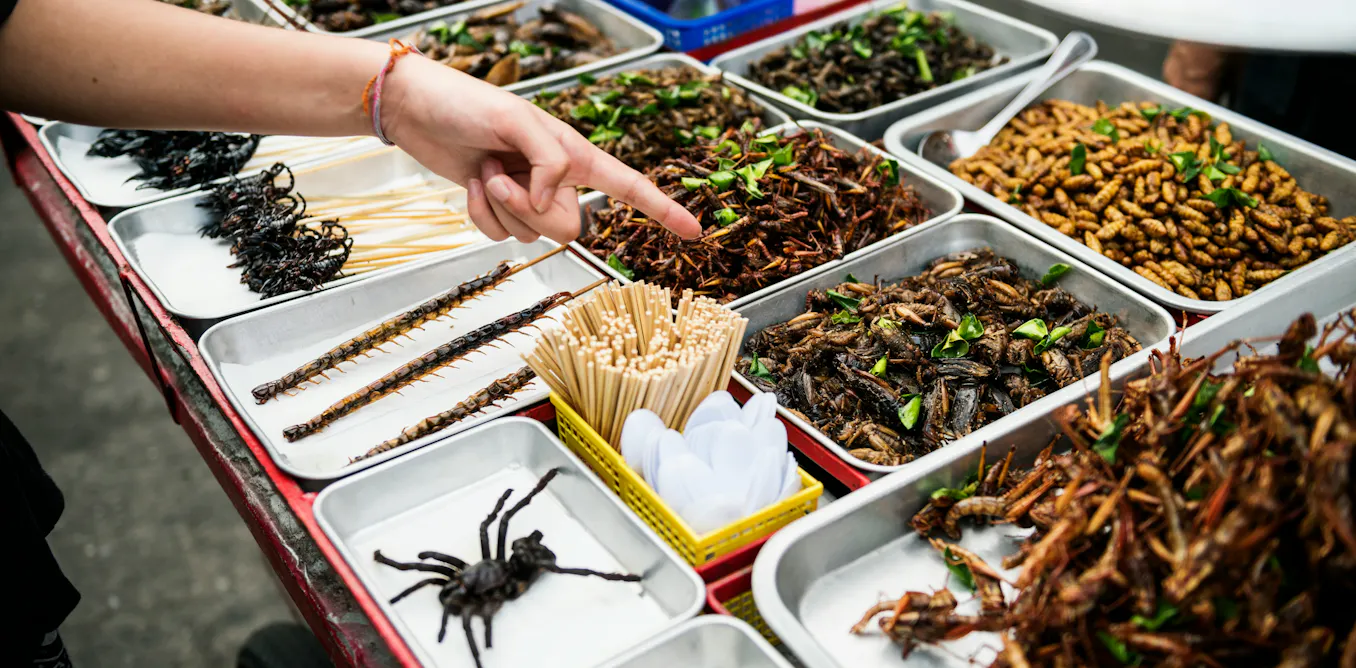
A Sustainable Solution or an Overhyped Idea?
Faced with exploding global demand for protein and growing environmental impacts of animal farming, insects have emerged as a promising alternative. Praised for their rich nutrients, resource efficiency, and culinary versatility, they’ve captured the attention of researchers, businesses, and chefs. But is this trend truly sustainable and safe for global food security? Let’s examine the evidence.
The Environmental Toll of Meat Production
Global meat production strains natural resources significantly. According to the UN Food and Agriculture Organization, it accounts for 12% of greenhouse gas emissions, while livestock farming occupies 80% of agricultural land. This sector also drives deforestation and consumes vast amounts of water and feed. With protein essential to human health, finding eco-friendly alternatives is urgent.
Insects: A Resource-Efficient Protein Source
Insects offer stark advantages in resource use:

- Reduced Inputs: They require 12× less feed than cattle and 2,000× less water.
- High Edibility: Up to 80% of a cricket’s body mass is consumable, compared to just 40% for cows.
This efficiency positions insects as a low-footprint option without compromising nutrition.
Nutritional Value: Strengths and Limitations
Insects boast impressive nutrient profiles:
- Protein-Rich: Species like crickets contain 35–70% protein, plus iron, zinc, and B vitamins.
- Variable Quality: Protein in mealworms rivals legumes but falls short of soy or beef. Diet and farming methods heavily influence omega fats and micronutrients.
Caution: Anti-nutritional compounds like thiaminase can inhibit vitamin B1 absorption, requiring rigorous processing.
Health and Safety Risks
While insects are consumed traditionally in cultures worldwide, scaled production raises concerns:
- Pathogens: Risks mirror other animal proteins (e.g., Salmonella), though Canadian inspections found no contamination in 51 edible insect samples.
- Allergies: Cricket proteins resemble shellfish allergens, necessitating clear labeling for vulnerable consumers.
Safety hinges on regulated farming and transparent traceability.
Ecological and Biodiversity Concerns
Industrial insect farming poses risks similar to conventional livestock, but wild harvesting amplifies threats:
- Ecosystem Impact: Over-collection could disrupt species and local food traditions.
Sustainable management is vital to prevent biodiversity loss.
Overcoming Cultural Barriers
The "ick factor" remains a hurdle in Western diets. Strategies to normalize consumption include:
- Product Innovation: Cricket-based flours, protein bars, and burgers mask insects in familiar formats.
- Gradual Exposure: Studies suggest adaptation is possible through repeated, discreet inclusion in meals.
Conclusion
Insects present a compelling partial solution to protein demands, offering efficiency and nutrition. Yet they’re not a silver bullet. Scalability requires addressing hiresks, ecological trade-offs, and cultural resistance. True sustainability demands holistic shifts—policy reforms, diversified protein sources, and consumer education—beyond swapping beef for bugs.
FAQs
Q1: How do insects compare environmentally to traditional livestock?
Insects use 90% less land, emit fewer greenhouse gases, and require minimal water. For example, crickets need 2,000 times less water than cattle.
Q2: Are insects nutritionally equivalent to meat?
Some species provide comparable protein (35–70%), vitamins, and minerals. However, nutrient levels vary by species, diet, and farming methods.
Q3: What are the primary health risks?
Potential pathogen exposure (e.g., Salmonella) and allergens—especially for those with shellfish allergies. Regulated processing minimizes these risks.
Q4: Could insect farming harm ecosystems?
Wild harvesting threatens biodiversity. Sustainable practices, like controlled farming and species monitoring, are essential to prevent ecological damage.
Q5: How can consumers overcome reluctance to eat insects?
Start with processed forms (e.g., cricket flour in baked goods). Gradual exposure and education on environmental benefits ease acceptance.
Recommended Products:
-
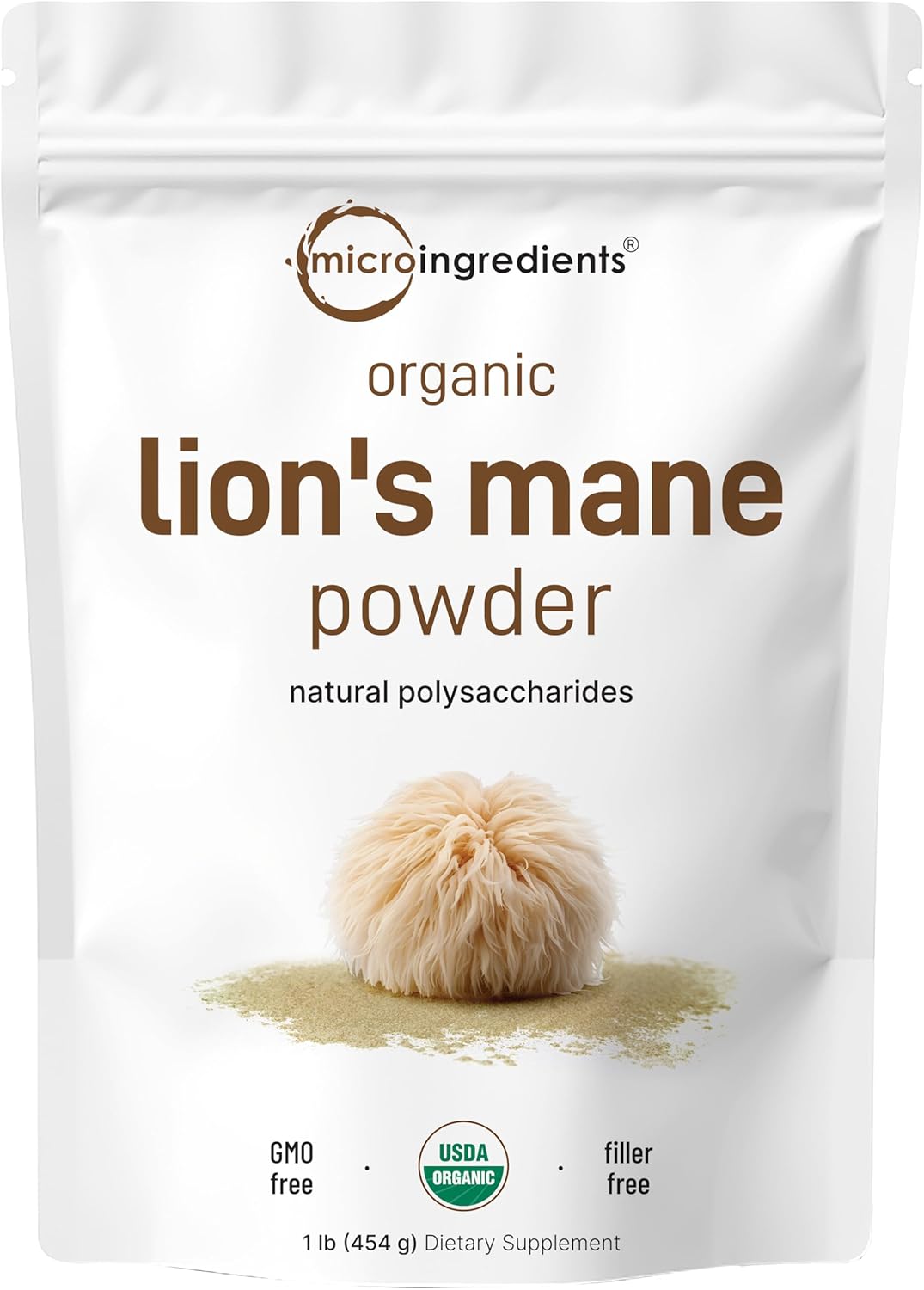
Micro Ingredients Organic Lions Mane Mushroom Supplement Powder, 16 Ounce | Natural Superfood for Brain, Energy, & Immune Health | Non-GMO Vegan
$38.95 Buy Now -

20% Hydroxytyrosol Complex™ Olive Fruit Extract – Super Strength 100% Grown & Extracted in Spain. 90 Capsules, 100 mg, from The Maker of Real European Olive Leaf Extract
$28.00 Buy Now -

Zenwise Health Green Tea Extract with EGCG & Green Coffee Bean – Antioxidant & Immune Supplement –Metabolism Support + Heart & Brain Health+Memory Boost – 120 Count
$21.97 Buy Now