
The Ultra-Processed Foods Problem: Driven by Commercial Interests, Not Individual Weakness
Ultra-processed foods are rapidly replacing traditional diets worldwide, degrading nutritional quality and fueling a global epidemic of diet-related chronic diseases. Despite massive advertising budgets from food corporations that dwarf the World Health Organization’s resources, governments, communities, and health professionals have powerful tools to combat this crisis.
Understanding Ultra-Processed Foods
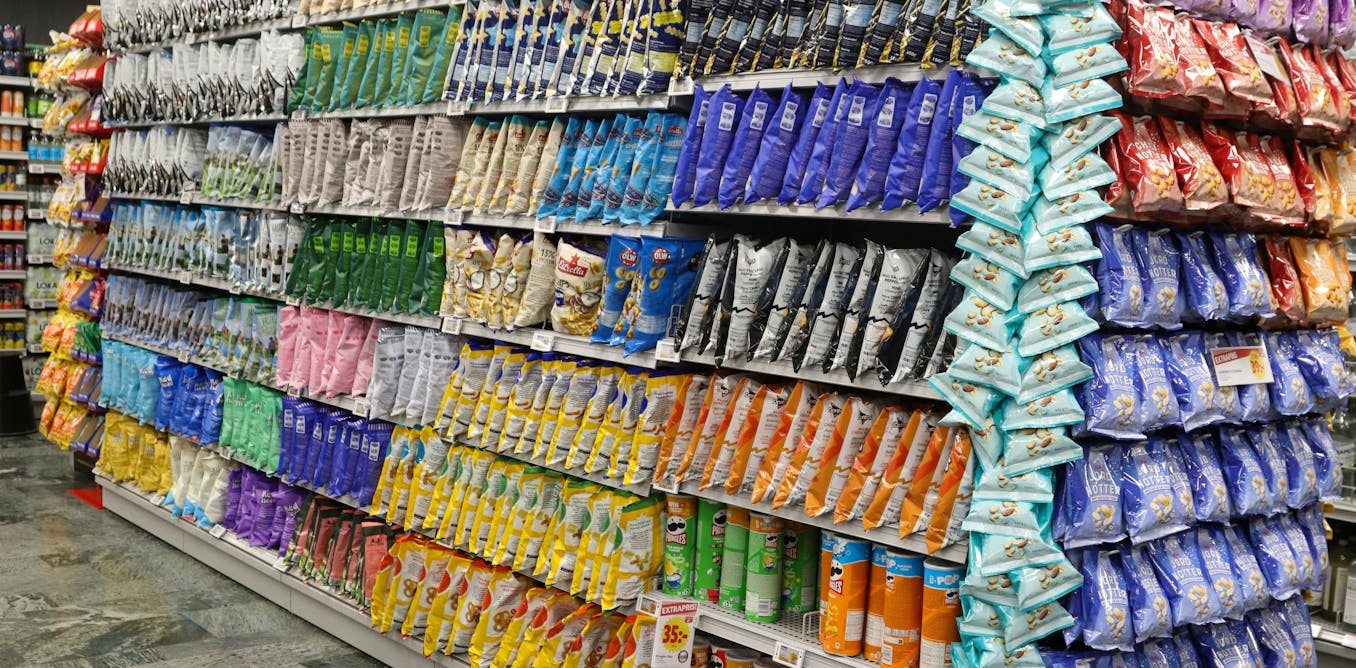
These industrial formulations contain few whole ingredients, relying instead on chemical additives and processed components. Common examples include soft drinks, chips, sugary cereals, and reconstituted meat products. The core issue isn’t personal willpower failures but the overwhelming commercial forces pushing these products through sophisticated engineering, marketing, and distribution systems.
The Evidence: Health Impacts and Global Trends
Research confirms ultra-processed foods dominate diets in high-income nations. In the United States, United Kingdom, Canada, and Australia, they comprise about 50% of daily caloric intake. Globally, their market share continues to rise, displacing nutritious whole foods.

Nutritional analyses reveal these products are consistently energy-dense while lacking fiber, vitamins, and minerals. They contain excessive sugar, salt, and unhealthy fats while being designed for overconsumption through taste manipulation and soft textures.
A landmark review of 104 long-term studies confirms associations between ultra-processed foods and increased risks for:
- Obesity and type 2 diabetes
- Cardiovascular diseases and hypertension
- Chronic kidney disease
- Depression
- Early mortality from all causes
Clinical trials prove these effects go beyond mere macronutrient content. When participants eat ultra-processed diets, they consume 500-800 extra calories daily compared to whole-food diets with identical nutrients, leading to rapid weight gain.
Policy Solutions: Four Key Strategies
-
Reformulate Product Standards
Instead of ineffective ingredient swaps (like sugar for sweeteners), regulators should limit additives and use "UPF markers" (colors, flavors, sweeteners) to identify products needing stricter regulation. -
Transform Food Environments
Evidence-backed approaches include:- Mandatory front-of-pack warning labels
- Comprehensive marketing bans targeting children
- Sugar-sweetened beverage taxes (minimum 20%) with revenue funding fruit/vegetable subsidies
- Removing UPFs from schools, hospitals, and public institutions
-
Curb Corporate Influence
Governments must regulate companies’ product portfolios, limit ultra-processed food sales dominance, strengthen antitrust enforcement, and reform tax policies that enable market monopolies. - Overhaul Agricultural Systems
Redirect subsidies from commodity crops (corn, soy, sugar) toward diverse whole-food production. Align environmental policies (plastic reduction, water conservation) with nutritional goals.
Confronting Corporate Power
Ultra-processing represents the food industry’s most profitable model. Transnational corporations control global supply chains and deploy massive marketing budgets—often exceeding WHO’s entire funding—to expand markets and block regulation. These companies mirror tobacco and fossil fuel tactics: lobbying, litigation, industry-funded science, and superficial self-regulation.
A global response requires:
-_levering taxes, plastic regulations, and resource allocation to disrupt the ultra-processed food business model
- Protecting policymaking from corporate interference via conflict-of-interest safeguards
- Building advocacy coalitions for science-based food policies
Conclusion
Ultra-processed foods are displacing traditional diets through commercial dominance, not individual failings. Robust evidence links these products to catastrophic health outcomes worldwide. While industry resistance is formidable, the policy toolkit—from marketing restrictions to agricultural reform—provides clear pathways for change. Without coordinated global action, ultra-processed foods will continue degrading human and planetary health. The time for governments, health professionals, and communities to implement these solutions is now.
Frequently Asked Questions
What defines an ultra-processed food?
Ultra-processed foods NOAA are industrial formulations using ingredients like modified starches, hydrogenated oils, and cosmetic additives. They typically contain minimal whole foods. Examples include soft drinks, packaged snacks, chicken nuggets, and instant noodles.
Why are ultra-processed foods harmful beyond their nutritional profile?
Research shows they drive overeating independent of salt/sugar/fat content. Their engineered textures and flavors promote rapid consumption, while low fiber/fullness signals disrupt appetite regulation—leading to 500+ extra daily calories in controlled trials.
How do advertising budgets influence food choices?
Major food corporations spend vastly more on marketing than the WHO’s entire budget. This commercial saturation—especially targeting children—creates cultural norms favoring ultra-processed foods while marginalizing healthier alternatives.
Can reformulation solve the problem?
Simply swapping sugar for sweeteners or fats for additives fails to address structural issues. Effective regulation requires markers like artificial colors/flavors to identify ultra-processed products for sales restrictions, warning labels, or reformulation mandates.
What individual actions matter most?
While systemic change is crucial, individuals can:
- Prioritize whole foods (NOVA groups 1-3)
- Support policies like sugary drink taxes
- Advocate for marketing restrictions
- Choose minimally processed alternatives when available
Recommended Products:
-

Brewers Yeast Powder for Lactation Cookies for Breastfeeding – Lactation Supplement for Increased Breast Milk – Nutritional Yeast for Lactation Support – Breastmilk Supplement for Women – Easy to Bake
$19.99 Buy Now -
Sale!

Bigger Leaner Stronger: The Simple Science of Building the Ultimate Male Body
Original price was: $24.99.$17.00Current price is: $17.00. Buy Now -

Yerba Prima Psyllium Husks Powder – 12 oz (Pack of 4) – Natural Fiber Supplement – Colon Cleanse – Gut Health – Vegan, Non-GMO, Gluten-Free (New Label – Packaging May Vary)
$52.97 Buy Now