
:max_bytes(150000):strip_icc()/5-Sneaky-Signs-You-Might-Not-Be-Eating-Enough-Omega-3s-b8b61a0f5c2240a7adf9461b61d22734.jpg "What Happens If You Don’t Get Enough")
What Happens If You Don’t Get Enough Omega-3s
Omega-3 fatty acids are essential nutrients found in both plant and animal foods that play a crucial role in heart, brain, and overall health. Despite their importance, many Americans don’t consume enough omega-3-rich foods like fatty fish, walnuts, flaxseeds, and chia seeds. There are three main types:
- ALA (alpha-linolenic acid): Found in plant sources
- EPA (eicosapentaenoic acid) and DHA (docosahexaenoic acid): Found in seafood, meat, and eggs
While experts recommend women get 1.1 grams of ALA daily and men 1.6 grams, specific recommendations for EPA/DHA haven’t been established. Regular insufficient intake can lead to several noticeable health issues:
Signs You Might Be Deficient in Omega-3s
Dry, Flaky Skin and Hair
Omega-3s help your skin and hair retain moisture. Insufficient intake may lead to:

- Increased skin dryness and flakiness
- Scaly, rough skin texture
- Worsening of skin conditions like dermatitis or psoriasis
- Dry, brittle hair and potential hair loss
These fats help maintain skin homeostasis, protecting against UV damage and keeping skin supple. Fatty fish sources may particularly support hair growth and prevent hair thinning.
Increased Anxiety or Depression
Omega-3s play vital roles in brain health and mood regulation. Deficiency may contribute to:
- Increased anxiety symptoms
- Depressive mood states
- Heightened mood swings
Research suggests people with mood disorders often have lower levels of omega-3s. These fats help maintain central nervous system function and reduce inflammation throughout the body, which is linked to poorer mental health outcomes.
Joint Pain and Stiffness
Inadequate omega-3 intake can cause noticeable physical discomfort:
- Increased joint stiffness (especially morning stiffness)
- Reduced flexibility
- Heightened inflammation in joints
Studies show omega-3s can provide pain relief for conditions like rheumatoid arthritis. As essential components of cell membranes, omega-3s help maintain structural integrity throughout the body.
Elevated Blood Pressure
Often called “heart-healthy fats,” omega-3s significantly impact cardiovascular function. Deficiency may manifest as:
- Higher-than-normal systolic and diastolic readings
- Increased cardiovascular strain
Experts recommend eating omega-3-rich fish (salmon, trout, herring) at least twice weekly to support healthy blood pressure and overall heart function.
Increased Abdominal Fat
Contrary to the myth that eating fat makes you fat, omega-3 deficiency might actually contribute to:
- Accumulation of belly fat
- Difficulty losing weight
While research on omega-3s and weight management shows mixed results, some studies indicate supplementation combined with weight loss diets can be effective. These healthy fats support metabolic function when consumed from whole food sources.
Conclusion: Addressing Omega-3 Deficiency
Consistently low intake of omega-3 fatty acids can negatively impact multiple body systems. From skin and joint health to cardiovascular function and mental wellbeing, these essential fats perform crucial roles throughout your body. While severe deficiency is uncommon, regularly missing omega-3 targets may contribute to dry skin/hair, joint discomfort, mood changes, elevated blood pressure, and weight management challenges.
To maintain optimal omega-3 levels:
- Include fatty fish (salmon, mackerel) 2+ times weekly
- Add plant sources daily: walnuts, chia seeds, flaxseeds
- Consider supplementation if dietary intake is consistently low
Omega-3 Deficiency FAQs
What are the most common signs of omega-3 deficiency?
The most noticeable signs include persistently dry skin, brittle hair, joint stiffness, mood changes (anxiety/depression), elevated blood pressure, and unexpected weight gain particularly around the abdomen.
How much omega-3 do I need daily?
Women should aim for at least 1.1 grams of ALA omega-3s daily, while men need 1.6 grams. For EPA and DHA (from seafood), aim for 250-500mg combined daily, though official recommendations vary. Consuming two servings of fatty fish weekly typically meets EPA/DHA needs.
Can I get enough omega-3s from plants alone?
Plant sources (walnuts, flaxseeds, chia seeds) provide ALA, which the body partially converts to EPA and DHA. However, conversion rates are low Vod (typically under 10%). For optimal EPA/DHA levels, include fatty fish or consider algae-based supplements if following a plant-based diet.
Do omega-3 supplements help with joint pain?
Yes, studies show omega-3 supplementation can reduce joint inflammation and morning stiffness, particularly for conditions like rheumatoid arthritis. Effects are typically noticed after consistent use for several weeks.
How quickly will I notice changes after increasing omega-3 intake?
Skin and hair improvements may appear within several weeks, while joint, mood, and cardiovascular benefits often take 4-8 weeks of consistent intake. Blood pressure changes typically require 3-6 months of regular omega-3 consumption.
Recommended Products:
-
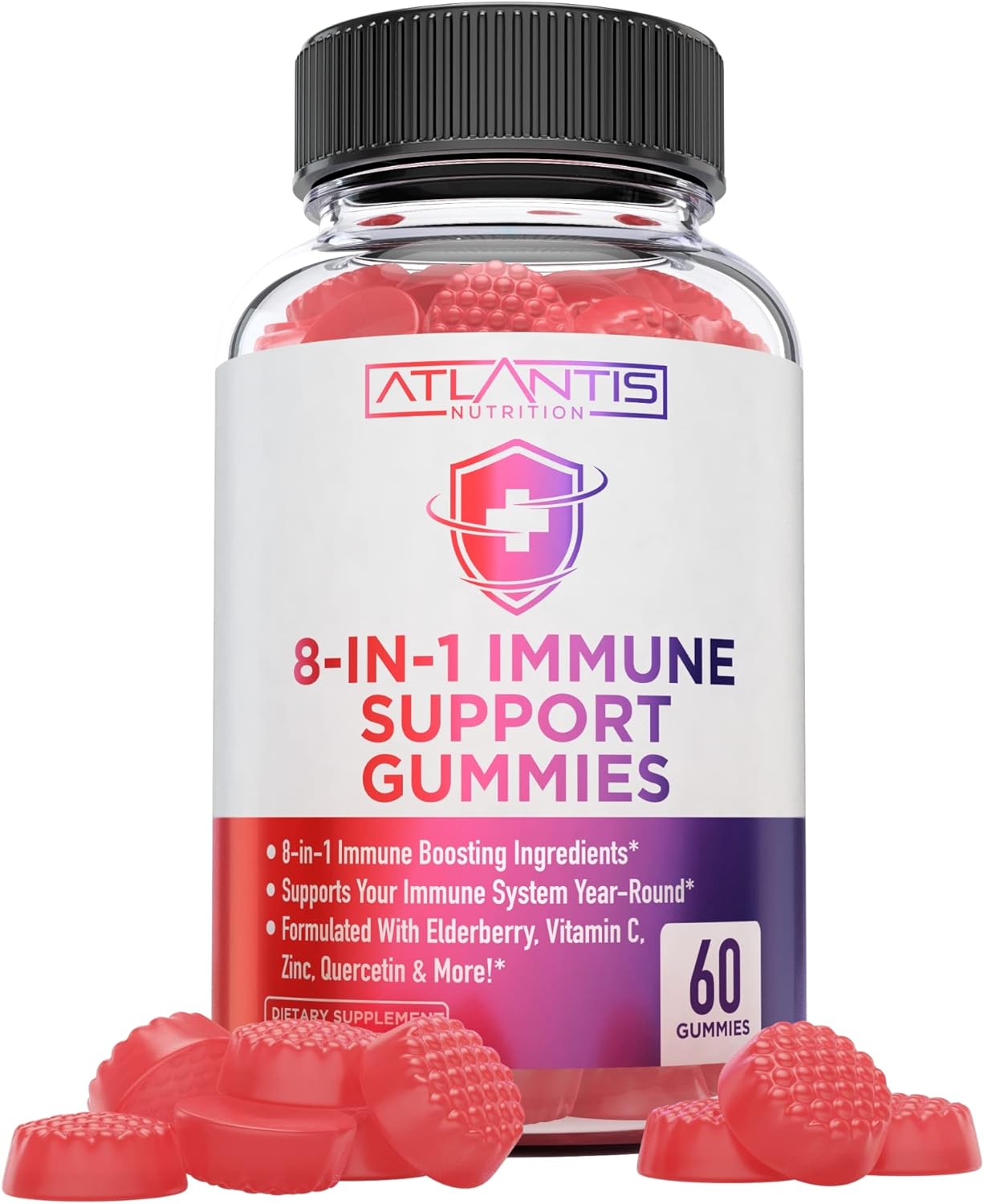
8-In-1 Immune Support Gummies With Elderberry – Powerful Immune Support Supplement Blend Of Elderberry, Quercetin, Zinc & Vitamin C Gummies Are Great Immune Boosters For Adults & Kids – 60 Gummies
$15.39 Buy Now -

NutraChamps Super Greens Powder Premium Superfood | 20+ Organic Green Veggie Whole Foods | Alfalfa, Spirulina, Chlorella & More | Antioxidant, Digestive Enzyme & Probiotic Blends | Tropical
$31.95 Buy Now -

aSquared Nutrition Turmeric Curcumin 1600mg with BioPerine Black Pepper Extract – 180 Capsules with 95% Curcuminoids, 100% Natural Tumeric Root Powder Supplements, Natural Joint Stiffness Relief Pills
$24.95 Buy Now


:max_bytes(150000):strip_icc()/5-Sneaky-Signs-You-Might-Not-Be-Eating-Enough-Omega-3s-b8b61a0f5c2240a7adf9461b61d22734.jpg&description=What+Happens+If+You+Don%E2%80%99t+Get+Enough)