

Benefits, Uses, Precautions, and Dosage of Licorice Root
What is Licorice Root?
Licorice root, also known as Glycyrrhiza glabra, is a plant that has been used for thousands of years to treat various health conditions. It is native to Asia, Southern Europe, and the Middle East. The root of the plant is used to make teas, extracts, and other herbal remedies.

Benefits of Licorice Root
Licorice root contains beneficial compounds like glycyrrhizin, which has antioxidant, antimicrobial, and anti-inflammatory properties. It may have some health benefits, such as reducing acid reflux.
May Aid Skin Conditions
Research suggests that licorice root extract may help treat a variety of skin conditions, such as acne and eczema. A study found that a cream containing licorice root, gentian root, and willow bark extract was as effective as a 1% hydrocortisone cream in treating eczema symptoms.
May Reduce Acid Reflux and Indigestion
Licorice root extract may be used to help relieve symptoms of gastroesophageal reflux disease (GERD), such as acid reflux, heartburn, and indigestion. A study found that taking licorice root daily was more effective at reducing symptoms over a 2-year period than commonly used antacids.
May Help Treat Peptic Ulcers
Licorice root extract and its glycyrrhizin may help treat peptic ulcers. These painful sores develop in your stomach, lower esophagus, or small intestine as a result of H. pylori bacteria.
May Have Anticancer Properties
Licorice root extract is being studied for its protective effects against certain types of cancer. Animal studies have found that licorice root helped slow or prevent cell growth in skin, colorectal, and breast cancer.
May Ease Upper Respiratory Conditions
A review found that glycyrrhizin extract from licorice root may help relieve asthma due to its anti-inflammatory properties. Another study found licorice root tea and extract may protect against strep throat.
May Protect Against Cavities
Research suggests that licorice root may help protect against cavities and treat oral health conditions.
Other Potential Benefits
Licorice root has been linked to several other potential benefits, such as:
- Relieving digestive issues
- Reducing inflammation
- Protecting against certain diseases
Precautions and Side Effects
The Food and Drug Administration (FDA) has deemed licorice root generally safe for use in foods. However, chronic use and large doses of licorice root products may lead to glycyrrhizin accumulation in your body, which may cause:
- Hypertension
- Low potassium levels
- Other side effects
Who Should Not Use Licorice Root?
The National Center for Complementary and Integrative Health (NCCIH) notes that chronic use of licorice root may pose a risk for people with hypertension, heart disease, or kidney disease, as well as people who are pregnant or nursing.
Drug Interactions
Licorice root has been shown to interact with several medications, including:
- Diabetes medications
- Blood thinners
- Steroids
Dosage and Forms
Licorice root can be purchased fresh or dried. As a supplement, licorice root extract comes in several forms, including:
- Dried licorice root powder
- Licorice tincture
- Licorice extract capsules
Conclusion
Licorice root has been used for thousands of years to treat various health conditions. Its plant compounds demonstrate potent antioxidant, anti-inflammatory, and antimicrobial effects. While it may relieve acid reflux, eczema, peptic ulcers, and other health issues, more comprehensive human studies are needed.
FAQs
Q: Is licorice root safe to consume?
A: The FDA has deemed licorice root generally safe for use in foods. However, chronic use and large doses of licorice root products may lead to glycyrrhizin accumulation in your body, which may cause side effects.
Q: Can I drink licorice root tea every day?
A: One cup of licorice tea is unlikely to cause side effects. However, in rare cases, drinking high amounts of licorice root tea every day could cause hypertension and low potassium levels.
Q: Does licorice root heal the gut?
A: Some research suggests that licorice root may have benefits for the gut microbiome in mice. However, more research in humans is needed.
Q: Can I use licorice root for acid reflux?
A: Yes, licorice root extract may be used to help relieve symptoms of acid reflux and indigestion.
Recommended Products:
-

Alpha GPC Choline Capsules – 60 Count, 600mg Servings – Brain Support Aid that Supports Focus, Memory, Motivation, and Energy – (Made in the USA) Brain Support Supplement by Double Wood Supplements
$19.85 Buy Now -
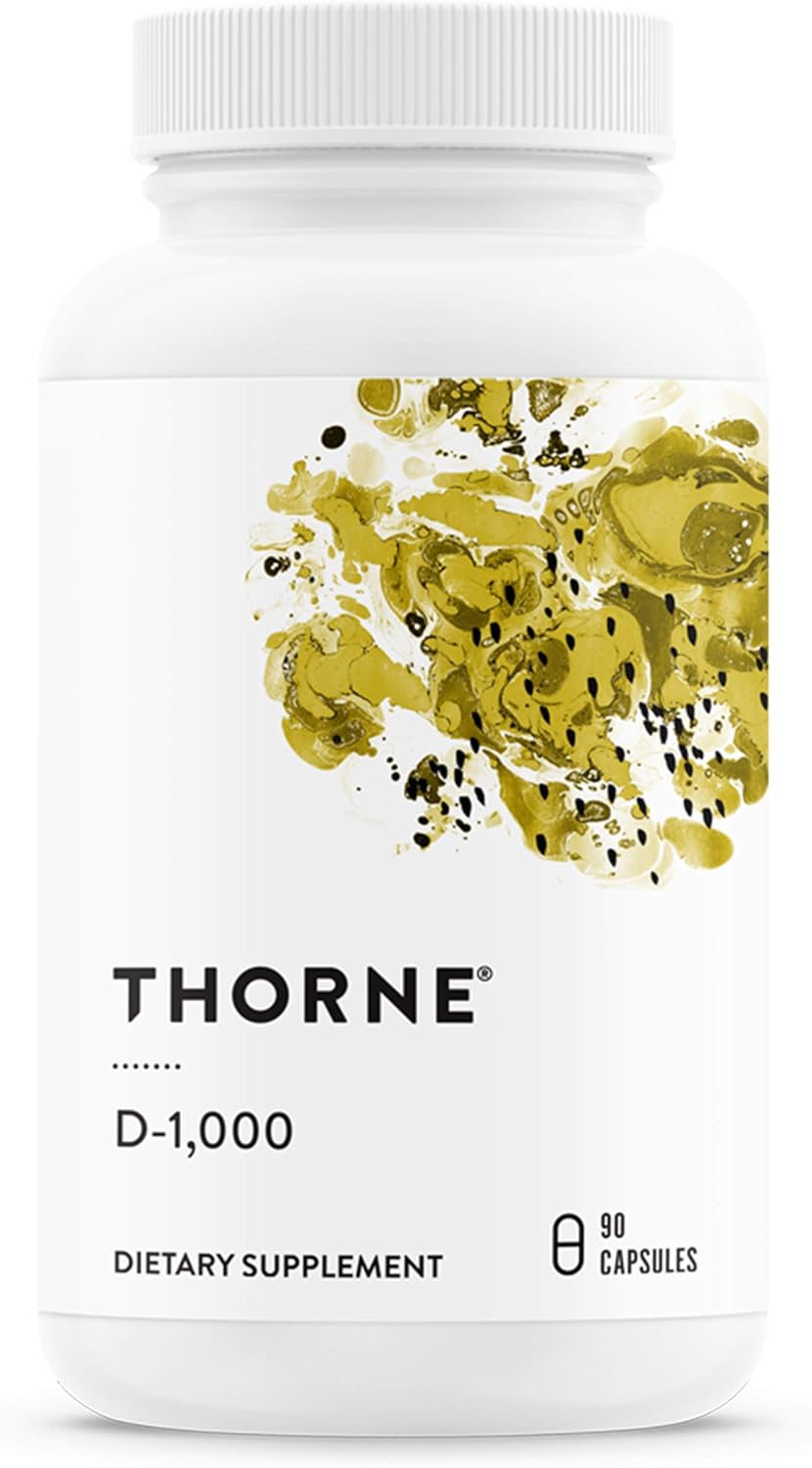
THORNE Vitamin D3 Supplement – Supports Healthy Bones, Teeth Muscles, Cardiovascular, and Immune Function – Gluten-Free, Dairy-Free, Soy-Free – 1,000 IU – 90 Capsules
$12.00 Buy Now -

Betterbrand BetterLungs Mullein Leaf Extract – Support Lung Cleanse & Respiratory Function for Healthy Breathing – Natural Supplement, Tincture Drops | Non-GMO, Vegetarian | 1 Month Supply
$39.95 Buy Now