
10 Health Benefits of Spirulina
What is Spirulina?
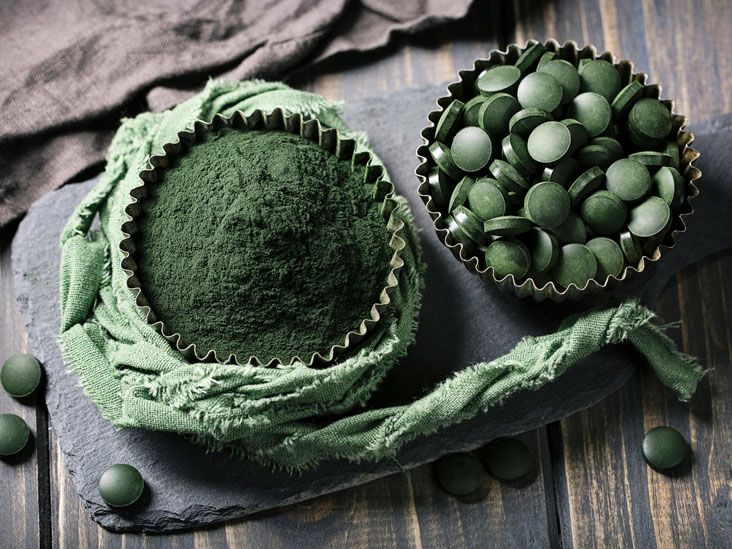
Spirulina is a type of blue-green algae that grows in both fresh and saltwater. It is highly nutritious and a great source of protein, copper, and B vitamins.
1. Rich in Nutrients
Spirulina is packed with nutrients, including protein, vitamins, and minerals. A single tablespoon (tbsp) or 7 grams (g) of dried spirulina powder contains:
- Protein: 4 g
- Thiamin: 14% of the Daily Value (DV)
- Riboflavin: 20% of the DV
- Niacin: 6% of the DV
- Copper: 47% of the DV
- Iron: 11% of the DV
- Magnesium: small amounts
- Potassium: small amounts
- Manganese: small amounts
2. Antioxidant Properties
The main component of spirulina is called phycocyanin, which is an antioxidant that also gives it its unique blue color. Phycocyanin can help fight oxidative stress by blocking the production of molecules that promote inflammation and providing impressive antioxidant and anti-inflammatory effects.
3. Cardiovascular Health
Spirulina may help lower total cholesterol, low-density lipoprotein (LDL) or bad cholesterol, and triglycerides, while also increasing high-density lipoprotein (HDL) or good cholesterol, which are all risk factors for heart disease.
4. Anti-Inflammatory Effects
Spirulina has been shown to reduce inflammation in the body, which can help reduce the risk of chronic diseases such as heart disease, cancer, and Alzheimer’s disease.
5. Cancer Prevention
Some studies suggest that spirulina may have anti-cancer properties and may help prevent certain types of cancer.
6. Anemia Prevention
Spirulina may help improve anemia in pregnant people and young children.
7. Muscle Strength and Endurance
Spirulina may help improve muscle strength and endurance by reducing exercise-induced oxidative damage.
8. Glucose Management
Spirulina may help manage blood sugar levels in people with type 2 diabetes.
9. Brain Health
Spirulina may help improve cognitive function and memory by reducing inflammation and oxidative stress in the brain.
10. Immune System Support
Spirulina may help support the immune system by reducing inflammation and increasing the production of antibodies.
Who Should Not Take Spirulina?
Spirulina is generally considered safe, but it may cause some side effects such as difficulty sleeping and problems with digestion. People taking certain blood-pressure-lowering, immunosuppressant, or cholesterol-lowering medications may need to avoid spirulina due to the potential for interaction with certain chemicals in spirulina.
Is it Good to Take Spirulina Every Day?
Most people who use spirulina take up to 10 grams every day for up to 6 months. A doctor can advise on how often to use it, how much to take, and for how long.
Conclusion
Spirulina is a highly nutritious supplement that may offer a range of health benefits. From improving cardiovascular health to supporting immune function, spirulina may be a valuable addition to a healthy diet. However, more research is needed to fully understand its effects.
FAQs
Q: What is spirulina?
A: Spirulina is a type of blue-green algae that grows in both fresh and saltwater.
Q: What are the benefits of spirulina?
A: Spirulina may help lower cholesterol and triglycerides, reduce inflammation, improve cardiovascular health, and support immune function, among other benefits.
Q: Is spirulina safe?
A: Spirulina is generally considered safe, but it may cause some side effects such as difficulty sleeping and problems with digestion.
Q: Who should not take spirulina?
A: People taking certain blood-pressure-lowering, immunosuppressant, or cholesterol-lowering medications may need to avoid spirulina due to the potential for interaction with certain chemicals in spirulina.
Q: How much spirulina should I take?
A: Most people who use spirulina take up to 10 grams every day for up to 6 months. A doctor can advise on how often to use it, how much to take, and for how long.
Recommended Products:
-

THORNE Basic Nutrients 2/Day – Comprehensive Daily Multivitamin with Optimal Bioavailability – Vitamin and Mineral Formula – Gluten-Free, Dairy-Free, Soy-Free – 60 Capsules – 30 Servings
$32.00 Buy Now -

AZO Bladder Control with Go-Less Daily Supplement | Helps Reduce Occasional Urgency, leakage due to laughing, sneezing and exercise††† | 72 Capsules
$25.32 Buy Now -
Sale!

Ocuvite Eye Vitamin & Mineral Supplement, Contains Zinc, Vitamins C, E, Omega 3, Lutein, & Zeaxanthin, Bausch & Lomb Ocuvite Adult 50+ Eye Vitamin & Mineral Softgels, 50 Count (Packaging May Vary)
Original price was: $17.99.$13.86Current price is: $13.86. Buy Now