

Symptoms, Treatment, Causes, Recovery, and More: The Reality of Intestinal Worms
Introduction
Intestinal worms are small, parasitic organisms that feed on the nutrients from your food inside your intestines. These worms, including tapeworms, pinworms, hookworms, roundworms, and others, can live in your gut for months, sometimes even years, without causing any noticeable symptoms. However, in many cases, infections by intestinal worms can lead to a variety of unpleasant symptoms, ranging from abdominal pain and diarrhea to malnutrition, anaemia, and even serious complications.
Signs and Symptoms of Intestinal Worms

If you have intestinal parasites, you may experience:
- Digestive symptoms, including abdominal pain, diarrhoea, and vomiting
- Worms in your stool, which can pass through your body or be visibly present
- Dysentery: an intestinal infection causing diarrhoea with blood and mucus
- A rash or itching around the rectum or vulva
- Passing whole worms in your stool
What Are the Common Types of Intestinal Worms?
- Tapeworms: typically caused by eating contaminated meat or fish
- Flukes: most common in East and Southeast Asia; caused by contaminated food and water
- Pinworms: most commonly found in children, particularly in areas of poor hygiene
- Hookworms: mostly found in tropical and subtropical regions
- Ascariasis: caused by hookworms; affects up to 800 million people worldwide
Cause and Prevention
- Contaminated food and water: tapeworms, flukes, and some other types of intestinal worms are passed through contaminated food and water
- Poor personal hygiene: pinworms and roundworms are spread through poor toilet hygiene and contact with contaminated soil and surfaces
- Contact with humans: hookworms and Ascariasis can be spread through contaminated soil and surfaces
- Travel and leisure activities: people traveling to or residing in areas with poor sanitation and hygiene, such as developing countries, are at high risk of infection
How to Prevent Intestinal Worms?
- Practise good personal hygiene: wash hands regularly, especially after using the bathroom or before preparing food
- Cook foods thoroughly: especially raw fish, meat, and poultry
- Freeze foods appropriately: fish and meat should be stored at -4°F (-20°C)
- Wash and peel fruits and vegetables: scrub and peel all fruits and vegetables before eating
- Avoid contact with contaminated soil and surfaces
Treatment for Intestinal Worms
Mild cases of intestinal worms typically require medication to eliminate the infection. Medications may include:
- Praziquantel (Biltricide) for tapeworm infection
- Mebendazole (Vermox, Emverm) or albendazole (Albenza) for roundworm infection
- Medications for pinworm infections may include mebendazole (Vermox) or albendazole (Albenza)
Symptoms Often Begin to Improve Within:
- 1 to 3 days following treatment
- Your doctor may take multiple stool samples to confirm the parasite’s disappearance
- Regular follow-up appointments will help monitor your recovery
Important Notes
- Pregnant individuals: it’s essential to speak with your doctor before taking any medication or undergoing treatment
- Older adults or immunocompromised individuals: may require tailored treatment and close monitoring
- Children and young adults: may require immediate treatment and close monitoring
Frequently Asked Questions
Q: How often do people get intestinal worms?
A: It’s difficult to determine the exact frequency, as many mild cases go undiagnosed.
Q: What are the possible complications of intestinal worms?
A: Complications can include anemia, malnutrition, and intestinal blockages.
Q: Can I prevent intestinal worms by eating raw or uncooked foods?
A: No, improper food handling and cooking can put you at risk of infection.
Q: How long does it take for symptoms of intestinal worms to appear?
A: Symptoms can appear immediately or take up to several months to develop.
Q: Can my pet carry intestinal worms?
A: Yes, pets can carry the parasites, which can be transmitted to you through contact with their feces, sharing food or water, or through scratching and licking contaminated surfaces.
This rewritten content provides an in-depth look at the reality of intestinal worms, including their causes, symptoms, treatment options, and prevention methods. It aims to educate readers on the importance of hygiene, proper food handling, and responsible pet ownership in reducing the risk of infection.
Recommended Products:
-
Sale!

Nature Made CoQ10 200mg, Dietary Supplement for Heart Health Support, 105 Softgels, 105 Day Supply
Original price was: $42.83.$30.74Current price is: $30.74. Buy Now -

Benefiber Chewable Prebiotic Fiber Supplement Tablets for Digestive Health, Assorted Fruit Flavors – 100 Count
$13.48 Buy Now -
Sale!
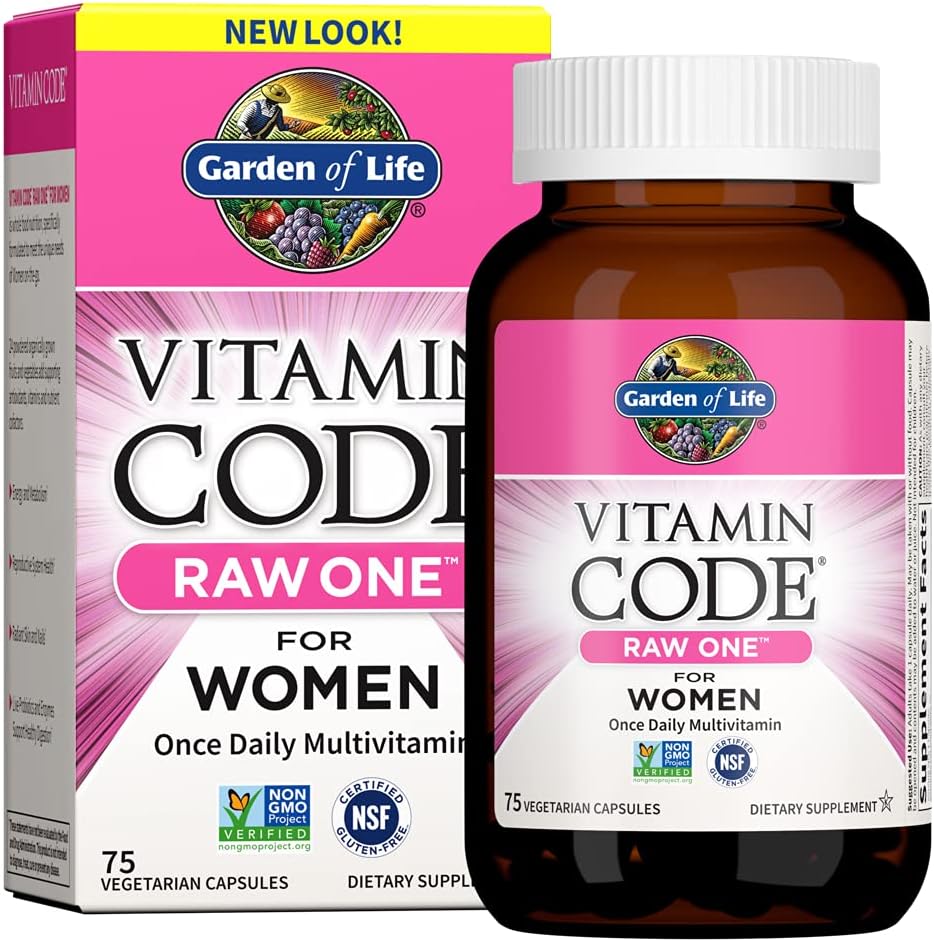
Garden of Life Vitamin Code Raw One Once Daily Multivitamin Capsules, Fruits, Veggies, Probiotics for Womens Health, Vegetarian, Gluten Free, 75 Count
Original price was: $37.78.$29.99Current price is: $29.99. Buy Now