Daily Multivitamins Won’t Help You Live Longer, Study Finds
Study Finds No Link Between Multivitamin Use and Mortality Risk
A large new study has found that daily multivitamin supplements do not decrease health risks and may even be associated with a slightly higher mortality risk. The study, published in JAMA Network Open, analyzed data from nearly 400,000 US adults over a 20-year period and found that taking a daily multivitamin did not lower mortality risk overall, nor for specific chronic conditions like cardiovascular disease and cancer.
The Popularity of Multivitamins
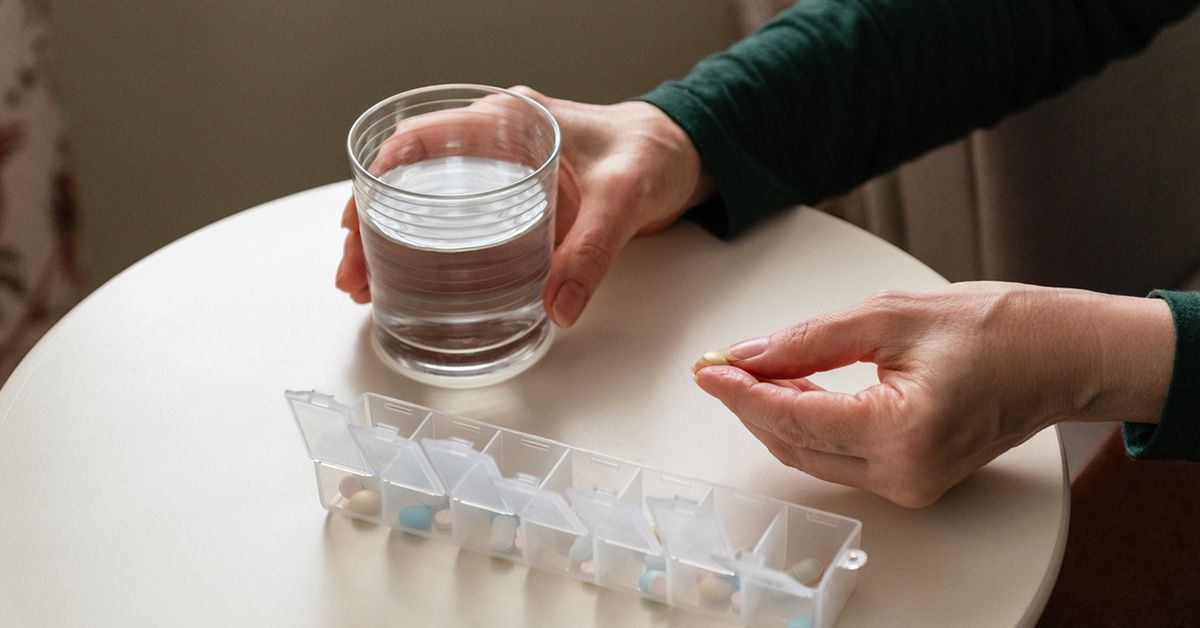
Multivitamins are one of the most popular supplements on the market, taken by roughly one in three US adults. Consumer spending on them amounts to about $8 billion annually, roughly one-seventh of all dollars that go towards supplements. Despite their popularity, their health benefits are not well established.
The Study’s Findings
The study, led by researcher Erikka Loftfield, PhD, from the National Cancer Institute, analyzed data from three large and geographically diverse US cohorts with repeat assessments of multivitamin use and extended follow-up for mortality outcomes. The researchers found that individuals taking a daily multivitamin did not have a lower risk of all-cause mortality than those who did not take a multivitamin. Nor did they observe any benefits related to specific health outcomes, including cancer, heart disease, and stroke.

Why Multivitamins May Not Be Effective
There are several reasons why multivitamins may not be effective in improving mortality risk. One reason is that they are often taken by individuals who are already healthy and may not be deficient in essential vitamins and minerals. Another reason is that the benefits of multivitamins may only be seen in individuals with specific health conditions or nutritional deficiencies.
What the Experts Say
Healthline spoke to two registered dietitians to hear their recommendations about eating a healthy diet and taking multivitamin supplements.
"I do not generally recommend a multivitamin for those following a healthy diet and eating well-balanced meals," said Alyssa Kwan, MS, RD, a Clinical Dietitian in Cardiology at Stanford Medicine. "I will only recommend one if patients are not nutritionally meeting their nutrient needs or have a poor diet at baseline. Maybe their appetite is really poor or they are just not able to meet everything via diet alone, then I would recommend supplementing with a multivitamin."
"My recommendations for patients are always personalized," said Kristin Kirkpatrick, MS, RD, a registered dietitian at the Cleveland Clinic. "In my practice at the Cleveland Clinic, a recommendation to take or skip a multivitamin is based on many factors, including the patient’s current health, dietary pattern, other supplements being taken, and personal health goals. An MVI is not insurance [from] an unhealthy dietary pattern."
Conclusion
The study’s findings suggest that daily multivitamin supplements do not decrease health risks and may even be associated with a slightly higher mortality risk. While multivitamins may be beneficial for individuals with specific health conditions or nutritional deficiencies, they are not a substitute for a healthy diet and lifestyle. It is essential to speak with a healthcare provider before starting or stopping any nutritional supplement.
FAQs
Q: Who should take a multivitamin?
A: Multivitamins may be beneficial for individuals with specific health conditions or nutritional deficiencies, such as anemia, diabetes, and postmenopausal women.
Q: Are multivitamins effective in improving mortality risk?
A: The study found no link between multivitamin use and mortality risk.
Q: Can multivitamins harm my health?
A: Taking a multivitamin may not harm your health, but it is essential to speak with a healthcare provider before starting or stopping any nutritional supplement.
Q: Should I take a multivitamin if I eat a healthy diet?
A: No, if you eat a healthy diet, taking a multivitamin is not recommended.
Recommended Products:
-

Nordic Naturals Ultimate Omega-D3, Lemon Flavor – 120 Soft Gels – 1280 mg Omega-3 + 1000 IU Vitamin D3 – Omega-3 Fish Oil – EPA & DHA – Promotes Brain, Heart, Joint, & Immune Health – 60 Servings
$47.56 Buy Now -

New Chapter Women’s Multivitamin 50 plus for Cellular Energy, Heart & Immune Support with 20+ Nutrients + Astaxanthin – Every Woman’s One Daily 55+, Gentle on The Stomach, 72 Count
$47.03 Buy Now -

COQ10 200mg Red Yeast Rice 3000mg Omega 3 3000mg Magnesium Complex 500mg Niacin Zinc Vitamin K2 D3 – Heart Health Support Vitamins for Women and Men with Vitamin B3, Coenzyme Q10-60 Ct
$24.95 Buy Now