
Deli Meat Recalled Nationwide Due to Listeria Outbreak
Nationwide Recall of Boar’s Head Products
The U.S. Department of Agriculture’s Food Safety and Inspection Service (FSIS) announced a nationwide recall of over 200,000 pounds of Boar’s Head deli meats on July 26 amid a Listeria outbreak. The recall includes 207,528 pounds of Boar’s Head liverwurst and other deli meat products.

Listeria Outbreak Linked to Deli Meats
A widespread Listeria outbreak in the United States has resulted in two deaths and 28 hospitalizations across 12 states. The outbreak has been linked to meat sliced at deli counters, not prepackaged deli meats, according to a July 2024 investigation notice from the Centers for Disease Control and Prevention (CDC).
High-Risk Groups
Certain individuals face a higher risk of severe illness from Listeria. Populations at high risk for serious Listeria infections include:
- Pregnant people and newborns
- Individuals aged 65 or older
- Those with weakened immune systems
Symptoms typically appear within two weeks of consuming contaminated food but can manifest as soon as the same day or as late as 10 weeks later. Labus said pregnant people who contract the bacteria "often have a very mild illness," such as fever, muscle aches, or tiredness, "but that illness can lead to [pregnancy loss], premature delivery, or serious [life-threatening] infections of the newborn."
Why Deli Meats Pose a Higher Risk
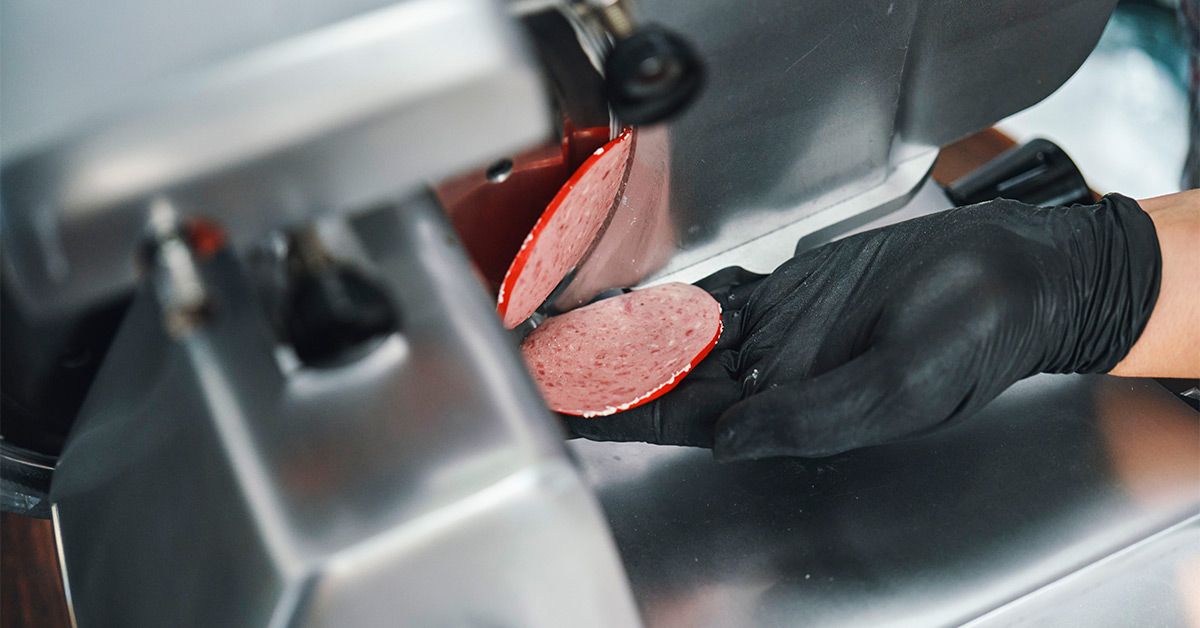
Deli meats sliced at the counter carry a higher risk of bacterial contamination, like Listeria, compared to prepackaged deli meats. "The difference is the risk of cross-contamination," said Dr. Brian Labus, PhD, MPH, an assistant professor in the Department of Epidemiology and Biostatistics, School of Public Health, University of Nevada Las Vegas.
He explained that while both types of deli meats can arrive from the manufacturer already contaminated with Listeria, prepackaged options minimize this risk by avoiding direct contact with other products. Slicing meats at the deli can transfer Listeria from contaminated meats to other foods. Equipment and surfaces used for slicing can harbor bacteria, causing contamination of other items prepared in the same area. This significantly raises the risk of bacteria being present in deli counter food products.
How to Stay Safe
The CDC recommends avoiding deli meats altogether or heating them to an internal temperature of 165°F or until steaming hot before consumption. Additionally, ready-to-eat products like deli salads, soft cheeses, and cut melons can also become contaminated with Listeria. Therefore, the CDC advises high-risk individuals to choose safer foods, such as:
- Heated meats
- Hard cheeses
- Homemade deli-style salads (potato, tuna, chicken)
- Fresh melon and other fruit cut at home
Conclusion
The recall of Boar’s Head deli meats is a serious warning about the risks associated with deli meats. While most people consuming contaminated food may experience mild gastrointestinal symptoms that resolve quickly without treatment, high-risk groups are particularly vulnerable. It is crucial to take steps to minimize the risk of Listeria contamination, including heating deli meats to a high internal temperature and choosing safer food options.
FAQs
Q: What is Listeria?
A: Listeria is a type of bacteria that can cause foodborne illness, particularly in high-risk groups such as pregnant people, individuals aged 65 or older, and those with weakened immune systems.
Q: What is the difference between prepackaged and sliced deli meats?
A: Prepackaged deli meats minimize the risk of cross-contamination, while sliced deli meats can transfer bacteria from contaminated meats to other foods.
Q: How can I stay safe from Listeria?
A: Avoid deli meats altogether or heat them to an internal temperature of 165°F or until steaming hot before consumption. Choose safer foods, such as heated meats, hard cheeses, homemade deli-style salads, and fresh melon and other fruit cut at home.
Q: What are the symptoms of Listeria infection?
A: Symptoms typically appear within two weeks of consuming contaminated food and can manifest as fever, muscle aches, or tiredness. In severe cases, Listeria can cause serious infections, including bloodstream infections and infections of the brain and spinal cord.
Q: Who is at high risk for Listeria infection?
A: Pregnant people, individuals aged 65 or older, and those with weakened immune systems are at high risk for serious Listeria infections.
Recommended Products:
-
Sale!

Citracal Slow Release 1200, 1200 mg Calcium Citrate and Calcium Carbonate with 25 mcg (1000 IU) Vitamin D3, Bone Health Support, Calcium Supplement for Ages 12+, Take Once Daily Caplet, 80 Count
Original price was: $12.99.$10.92Current price is: $10.92. Buy Now -

Metamucil, Fiber Thins, Daily Psyllium Husk Fiber Supplement, Supports Digestive Health and Satisfies Hunger, Apple Crisp Flavor, 12 Servings
$36.11 Buy Now -

ONE A DAY Womens Complete Daily Multivitamin with Vitamin A, B , C, D, and E, Calcium and Magnesium, Immune Health Support, 200 Count
$17.48 Buy Now