
Dengue Fever Cases Increasing in US as CDC Issues Warning
Global Spike in Dengue Fever Cases
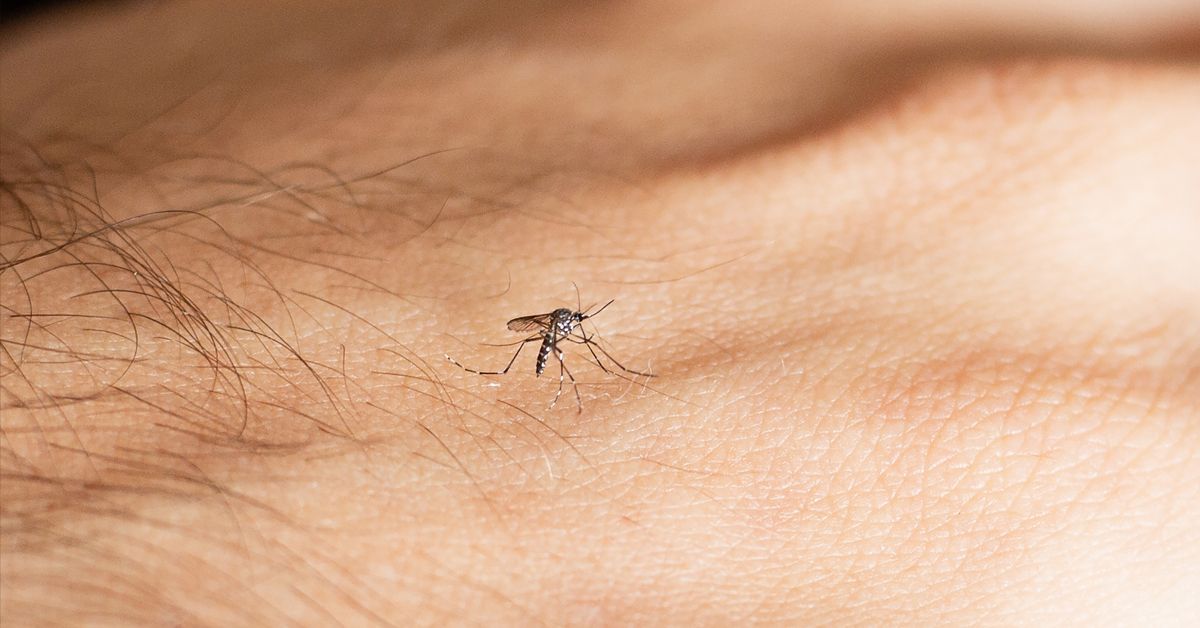
The Centers for Disease Control and Prevention (CDC) has issued an advisory warning doctors and public health authorities to be vigilant as cases of dengue fever rise globally. Dengue fever is a viral disease transmitted by the Aedes mosquito, and there is no cure. Severe cases, which are rare, can be life-threatening.

Record-Breaking Cases in the Americas
So far in 2024, cases of dengue fever in countries in the Americas have reached record-breaking levels, with more than 9.7 million reported cases – twice the number for the entire year in 2023 (4.6 million). Puerto Rico declared a public health emergency in March after the World Health Organization declared one in December 2023.
Mainland US Cases
In the mainland US, 745 cases have been identified in travelers in the first six months of the year, which is higher than normal. There are no vaccines for anyone who has not previously had a dengue infection, and there is one vaccine for children between the ages of 9 and 16 who have been infected, but the manufacturer has discontinued production due to a lack of demand.
Symptoms and Severity
Symptoms depend on the severity of the disease. Around 75% of people with dengue fever will not experience symptoms. Mild symptoms may include a sudden fever of around 104°F (40°C) and one or more of the following:
- Headache
- Muscle and joint pain
- Rash
- Nausea and vomiting
Symptoms usually last between 2-7 days, and most people feel better after one week. The fever typically persists for at least 24 hours and may spike again.
Severe Cases
Between 0.5% and 5% of cases become severe and can be life-threatening. In this instance, the fever typically falls to 99.5 to 100.4°F (37.5 to 38°C). Anywhere between a day and a week later, additional symptoms include:
- Bleeding gums
- Nosebleeds
- Bruising easily
- Blood in stool or vomit
- Severe abdominal pain
Prevention and Treatment
There are currently four known strains of the Dengue virus, and there is no cure, so essentially, anyone bitten by a mosquito carrying the virus could catch it. Dr. David Cutler, a board-certified family medicine physician, recommends the following measures to prevent and treat dengue:
- Treating dengue requires supportive care as there is no cure for this disease. Monitoring fever, hydration status, and blood tests are important for detecting any signs of the disease becoming critical.
- Controlling fever, preventing dehydration, and restricting disease spread through mosquito control are the most important measures to managing dengue.
- Preventing the spread of disease, especially in young children, requires that everyone sleep under a mosquito net. Insect repellents are also an important preventive measure.
- Emptying and cleaning standing water containers deprives mosquitoes of places to breed. Screens on windows and doors will help prevent mosquitoes from entering the home.
Traveling to Endemic Areas
Dr. Jessica Tuan, an infectious diseases specialist, warns that traveling to areas where dengue is most prominent also puts people at risk for exposure.
- Those who have traveled to dengue-endemic areas are at highest risk for acquiring dengue.
- Take measures to prevent mosquito bites, including using mosquito repellent, for those traveling to or living in dengue-endemic areas.
Antiviral Medication
Dr. James Shepherd, an infectious diseases specialist, believes that finding some sort of antiviral medication might be possible in the future.
- As Aedes mosquitoes spread northwards with rising global temperatures, dengue outbreaks are becoming more common in more temperate, richer countries and this presents a greater incentive for drug companies to spend on new antiviral drug development.
Conclusion
Dengue fever cases are increasing globally, and the CDC has issued an advisory warning doctors and public health authorities to be vigilant. The disease is transmitted by the Aedes mosquito, and there is no cure. Severe cases can be life-threatening. Prevention and treatment measures include controlling fever, preventing dehydration, and restricting disease spread through mosquito control.
FAQs
Q: What is dengue fever?
A: Dengue fever is a viral disease transmitted by the Aedes mosquito.
Q: Is there a cure for dengue fever?
A: No, there is no cure for dengue fever.
Q: How many cases of dengue fever have been reported in the US?
A: As of 2024, 745 cases have been identified in travelers in the first six months of the year.
Q: Is there a vaccine for dengue fever?
A: Yes, there is one vaccine for children between the ages of 9 and 16 who have been infected, but the manufacturer has discontinued production due to a lack of demand.
Q: How can I prevent dengue fever?
A: You can prevent dengue fever by taking measures to prevent mosquito bites, including using mosquito repellent, and restricting disease spread through mosquito control.
Q: Can I get dengue fever if I travel to an endemic area?
A: Yes, you are at highest risk for acquiring dengue if you travel to an endemic area.
Recommended Products:
-

Nordic Naturals Ultimate Omega Jr., Strawberry – 120 Mini Soft Gels – 680 Total Omega-3s with EPA & DHA – Brain Health, Mood, Learning – Non-GMO – 60 Servings
$34.81 Buy Now -
Sale!

Vitamin Code Healthy Blood 60ct CAPSULES
Original price was: $16.99.$13.29Current price is: $13.29. Buy Now -

Vitamatic 2 Pack Prebiotic Fiber Gummies for Adults – 7G Fiber Extra Strength – Zero Sugar Added – 60 Pectin Based Gummies – Digestive Health & Regularity Support, (Total 120 Count)
$21.99 Buy Now