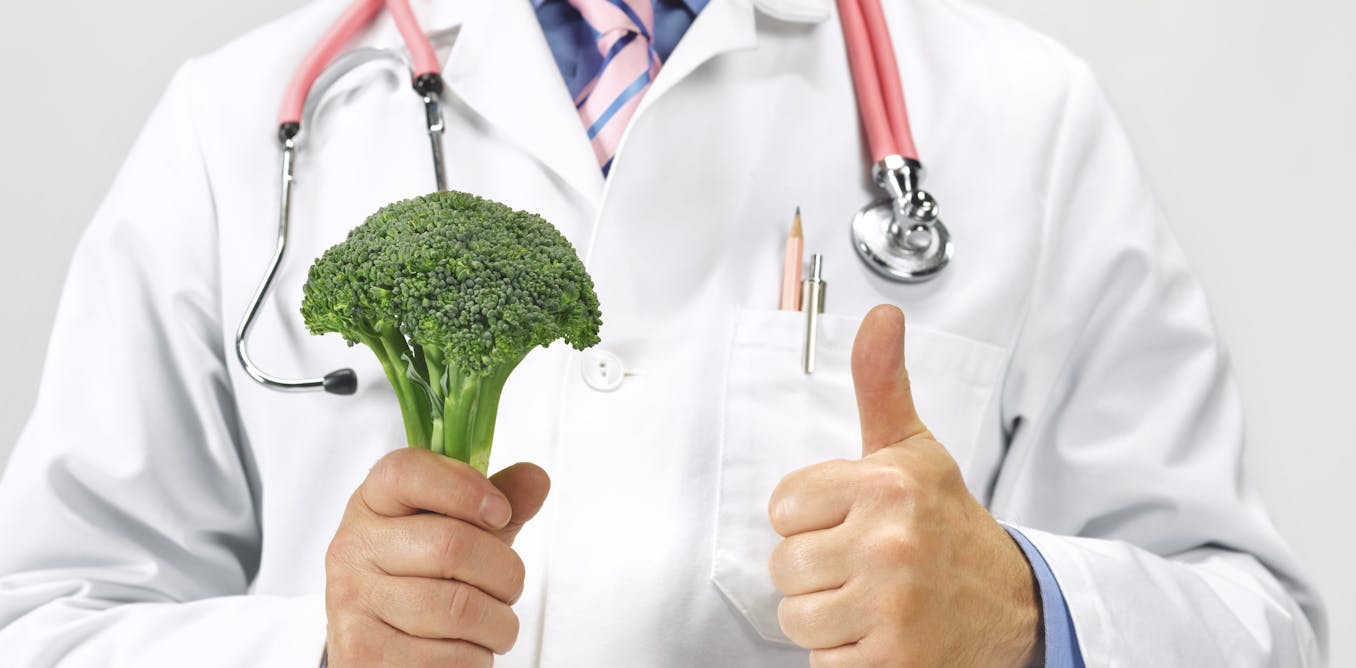
Diet-related diseases are the No. 1 cause of death in the US – yet many doctors receive little to no nutrition education in med school
The Misconceptions of Nutrition Advice
On television shows like “Grey’s Anatomy,” “The Resident” and “Chicago Med,” physicians seem to always have the right answer. But when it comes to nutrition and dietary advice, that may not be the case.
One of us is an assistant professor of nutrition and dietetics; the other is a medical student with a master’s degree in nutrition. Both of us understand the powerful effects that food has on your health and longevity. A poor diet may lead to cardiovascular disease, diabetes, obesity, and even psychological conditions like depression and anxiety. Diet-related diseases are the leading causes of death in the US, and a poor diet is responsible for more deaths than smoking.

What Doctors Don’t Know
In a 2023 survey of more than 1,000 U.S. medical students, about 58% of respondents said they received no formal nutrition education while in medical school for four years. Those who did averaged about three hours of nutrition education per year. That is woefully short of the goals set by the US Committee on Nutrition in Medical Education back in 1985: that med students should receive a total of 25 hours of nutrition education while in school – a little more than six hours per year.
But a 2015 study showed only 29% of medical schools met this goal, and a 2023 study suggests the problem has become even worse – only 7.8% of med students reported 20 or more hours of nutrition education across all four years of med school. If this is representative of medical schools throughout the country, it has happened despite efforts to bolster nutrition education through numerous government initiatives.
Not surprisingly, the lack of education has had a direct impact on physicians’ nutrition knowledge. In a study of 257 first- and second-year osteopathic medical students taking a nutrition knowledge quiz, more than half flunked the test. Prior to the test, more than half the students – 55% – felt comfortable counseling patients on nutrition.
Bringing Nutrition Education Back
Even though evidence suggests that nutrition education can be effective, there are many reasons why it’s lacking. Medical students and physicians are some of the busiest people in society. The amount of information taught in medical curricula is often described as overwhelming – like drinking out of a fire hose.
First- and second-year medical students focus on dense topics, including biochemistry, molecular biology, and genetics, while they learn clinical skills such as interviewing patients and understanding heart and lung sounds. Third- and fourth-year students are practicing in clinics and hospitals as they learn from physicians and patients.
As a result, their schedules are already jammed. There is no room for nutrition. And once they are physicians, it gets no better. Providing preventive care including nutrition counseling to patients would take them more than seven hours per week – and that’s not counting the time they would have to spend on continuing education to keep up with new findings in nutrition science.
On top of that, the lack of nutrition education in medical schools has been attributed to a dearth of qualified instructors for nutrition courses, as most physicians do not understand nutrition well enough to teach it.
Finding the Right Advice
The best source of nutrition information, whether for medical students or the general public, is a registered dietitian, certified nutrition specialist, or some other type of nutrition professional with multiple degrees and certification. They study for years and record many practice hours in order to give dietary advice.
Although anyone can make an appointment with a nutrition professional for dietary counseling, typically a referral from a healthcare provider like a physician is needed for the appointment to be covered by insurance. So seeing a physician or other primary care provider is often a step before meeting with a nutrition professional.
This extra step might be one reason why many people look elsewhere, such as on their phones, for nutrition advice. However, the worst place to look for accurate nutrition information is social media. There, about 94% of posts about nutrition and diet are of low value – either inaccurate or lacking adequate data to back up the claim.
Keep in mind that anyone can post nutrition advice on social media, regardless of their qualifications. Good dietary advice is individualized and takes into account one’s age, sex, goals, body weight, goals, and personal preferences. This complexity is tough to capture in a brief social media post.
The good news is that nutrition education, when it occurs, is effective, and most medical students and physicians acknowledge the critical role nutrition plays in health. In fact, close to 90% of med students say nutrition education should be a mandatory part of medical school.
We hope that nutrition education, after being devalued or ignored for decades, will soon be an integral part of every medical school’s curriculum. But given its history and current status, this seems unlikely to happen anytime soon.
In the meantime, those who want to learn more about a healthy diet should meet with a nutrition professional, or at the very least read the 2020-2025 Dietary Guidelines for Americans or the World Health Organization’s healthy diet recommendations.
Conclusion
Nutrition education is a critical component of a medical student’s curriculum, and its absence can have significant consequences for the health of patients. With diet-related diseases being the leading causes of death in the US, it is imperative that medical students and physicians receive adequate training in nutrition. We hope that our message will resonate with medical schools and healthcare professionals, and that we will see a change in the way nutrition education is prioritized.
FAQs
Q: Why is nutrition education important for medical students?
A: Nutrition education is important for medical students because it helps them understand the critical role nutrition plays in health and disease. With diet-related diseases being the leading causes of death in the US, it is essential that medical students receive adequate training in nutrition to provide effective patient care.
Q: What are the consequences of a lack of nutrition education in medical school?
A: The consequences of a lack of nutrition education in medical school can be severe. Medical students who receive little to no nutrition education may not be equipped to provide accurate and effective nutritional advice to patients, which can lead to poor patient outcomes and increased healthcare costs.
Q: Why do medical students and physicians not prioritize nutrition education?
A: Medical students and physicians do not prioritize nutrition education for a variety of reasons, including a lack of qualified instructors, a jam-packed curriculum, and the complexity of nutrition science. Additionally, many medical schools do not prioritize nutrition education due to a lack of funding and resources.
Q: What can I do to learn more about a healthy diet?
A: There are several ways to learn more about a healthy diet, including meeting with a registered dietitian, certified nutrition specialist, or other type of nutrition professional. You can also read the 2020-2025 Dietary Guidelines for Americans or the World Health Organization’s healthy diet recommendations.
Recommended Products:
-
Sale!

Puritan’s Pride Turmeric Curcumin 500 mg-180 Capsules
Original price was: $10.50.$8.82Current price is: $8.82. Buy Now -
Sale!

Superfood Fruit and Veggie Supplement – 360 Whole Super Fruit and Vegetable Supplements & Vitamin, Natural Energy levels, with Olive Leaf Soy Free- 180 Count (Pack of 2)
Original price was: $69.95.$59.95Current price is: $59.95. Buy Now -
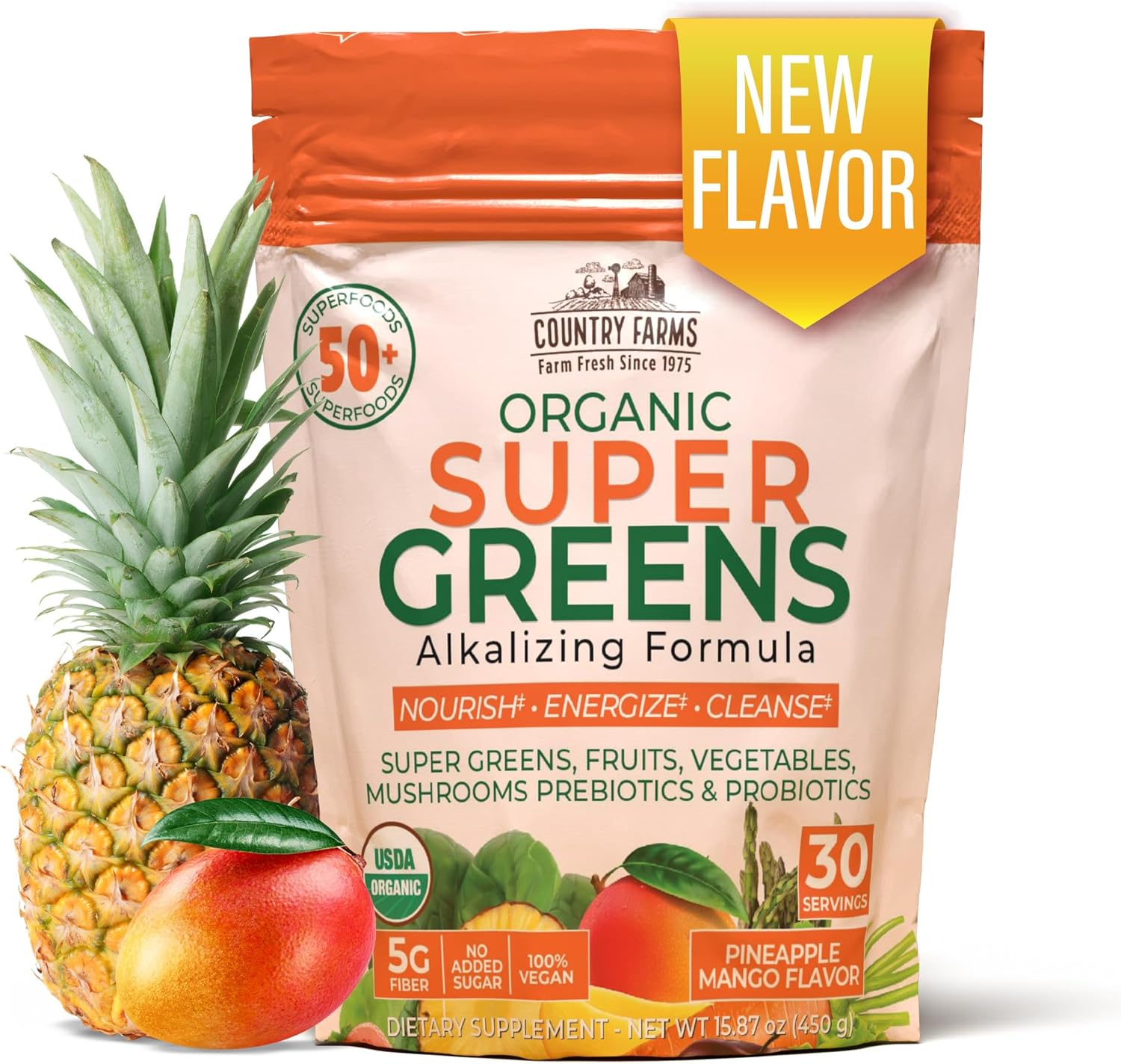
COUNTRY FARMS Super Greens Pineapple-Mango Flavor, 50 Organic Super Foods, USDA Organic Drink Mix (Wheat Grass, Spirulina, Chlorella) Mushrooms & Probiotics, Natural Energy, 30 Servings
$28.27 Buy Now