
Forget Grand Plans: These Small Tweaks Can Add Meaning to Your Life
The new year often sparks ambitious dreams of transformation—changing careers, moving abroad, running marathons. We imagine these seismic shifts will bring fulfillment and control. Yet lasting meaning rarely emerges from dramatic reinvention. Research shows meaning is constructed through consistent, reinforcing actions—small behaviors that accumulate over time.
Meaning isn’t a hidden treasure waiting to be discovered after an epic quest. It’s built through daily micro-actions that align with what matters to you. Behavioral science confirms this: meaning develops through repeated small behaviors that provide intrinsic rewards, gradually shaping our sense of purpose.
Understanding Meaning: The Psychological Foundation
In psychology, "meaning" describes the feeling that life is coherent, purposeful, and connected to your values. People experiencing higher levels of meaning report:

- Better overall wellbeing
- Lower stress and depression rates
- Enhanced resilience during challenges
When meaning diminishes, we feel adrift—even if outwardly, nothing seems wrong. Meaning emerges when we engage in activities that feel inherently rewarding: helping a friend, learning something new, progressing a project, or sharing authentic moments. These experiences provide positive reinforcement—generating energy, satisfaction, or connection that strengthens purposeful living.
Conversely, avoidance behaviors (canceling plans, procrastinating) offer temporary relief but deprive us of experiences that make life feel vibrant. The solution? Taking small steps forward—even without motivation—to spark that validating sense of "this was worth doing."
Why Spectacular Moments Don’t Create Lasting Meaning
The hedonic treadmill principle explains why isolated achievements rarely sustain meaning. This psychological phenomenon describes our tendency to return to baseline happiness levels after positive events. We adapt quickly to new pleasures:
- A promotion brings fleeting joy
- A vacation’s uplift fades upon returning home
- Buying something new soon feels ordinary
While special moments create memories, they don’t fundamentally change our lives. Enduring meaning requires pairing them with daily micro-shifts: consistent routines, boundary-setting, and investing in relationships through small, regular actions.
Meaning Thrives on Diverse Sources
Wellbeing stabilizes when supported by multiple reinforcement sources. Relying solely on one area—like career success or a single relationship—makes your sense of purpose vulnerable. If that pillar wobbles, your entire foundation shakes.
Strengthen your meaning portfolio by cultivating diverse domains:
- Friendships
- Learning and creativity
- Physical movement
- Contributing to community
- Nature engagement
- Family connections
- Spiritual practices
This creates resilience: challenges in one area won’t collapse your entire sense of purpose.
Practical Strategies to Build Meaning Daily
1. Reflect Before Planning
Before setting goals, analyze the past year with key questions:
- What brought pride or gratitude?
- Which activities boosted my energy?
- What consistently drained me?
- What meaningful tasks did I avoid?
This reveals which behaviors quietly sustained you and where your "meaning portfolio" needs diversification.
2. Focus on Micro-Actions in Key Areas
Choose 2-3 life domains to nurture—health, relationships, learning, contribution. Then define one tiny action for each:
- Health: 5-minute morning stretch
- Relationships: Send one thoughtful text daily
- Learning: Read 2 pages of a book
- Contribution: Compliment a colleague
Schedule only the first step. As BJ Fogg’s Behavior Model confirms: starting small builds momentum. Expect disruptions—illness, stress, fatigue. What matters is gently returning to your micro-actions.
3. Design Your Environment for Success
Make meaningful actions effortless:
- Use cues: Lay out workout clothes at night; place journals where you’ll see them
- Reduce friction: Keep essentials accessible; remove distractions
- Anchor habits: Pair new actions with existing routines:
- Read before morning coffee
- Stretch before checking emails
- Journal before brushing teeth
This leverages routine rather than relying on willpower.
The Power of Incremental Change
Meaning isn’t an endpoint reached through overhauling your life. It’s cultivated by daily micro-wins that reinforce what matters. Each small action—making a call, learning a fact, expressing gratitude—builds your "meaning architecture." Research confirms this: people who consistently take small, value-driven actions report deeper purpose over time.
When motivation falters, remember: action precedes feeling. Sending that message or starting that task often sparks the satisfaction you were waiting for. This is how lasting meaning is forged—not in fireworks, but in the steady glow of small, intentional flames.
Conclusion
Forget pressure to reinvent yourself overnight. Meaning grows from planting seeds daily: micro-actions that reflect your values, repeated consistently. By diversifying your sources of purpose and designing environments that support tiny wins, you build a resilient sense of meaning. Start small, return often, and let your daily choices—not grand plans—shape a life rich with purpose.
FAQs: Building Meaning Through Small Actions
1. How can I find time for meaningful actions when overwhelmed?
Start with actions under 2 minutes—like texting a friend or deep breathing. These "micro-actions" build momentum without adding pressure. Schedule them during transitions, like after brushing teeth or before checking email.
2. What if I keep missing my small daily actions?
This is normal. Instead of self-criticism:
- Simplify the action further (e.g., 1-minute stretch instead of 5)
- Attach it to a stronger existing habit
- Celebrate restarting, not perfection
3. How do I know which actions are truly "meaningful"?
Reflect: "Does this align with my core values?" Meaningful actions often leave you with quiet satisfaction rather than excitement. Track energy levels—activities that consistently leave you more energized than drained are usually meaningful.
4. Can small actions really impact mental health?
Yes. Studies link small, value-driven actions to reduced depression and anxiety. Each action reinforces neural pathways associated with agency and purpose, cumulatively improving wellbeing.
5. How long until I feel a difference?
Immediate effects might be subtle—a sense of calm or accomplishment. Lasting changes emerge after 4-6 weeks of consistency as behaviors become automatic and reinforcement patterns strengthen.
Recommended Products:
-
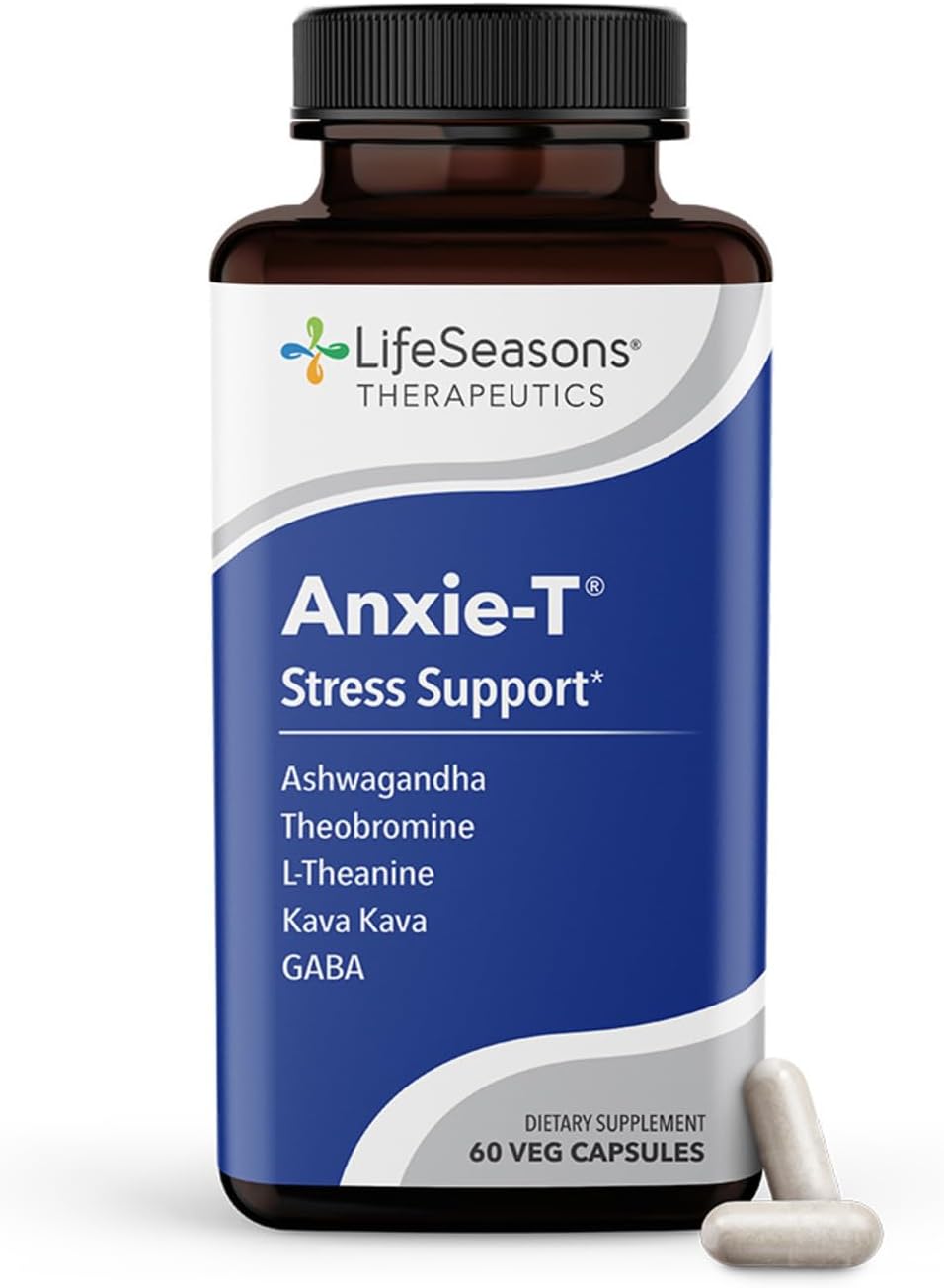
Anxie-T – Stress Relief Supplement – Supports Mood & Mental Focus – Feel Calm and Relaxed – Eases Tension & Nervousness – Ashwagandha, Kava Kava, GABA & L-Theanine – 60 Capsules
$32.99 Buy Now -

Pruvit OS Pro Chocolate Swirl
$161.69 Buy Now -

Turmeric Curcumin & Ginkgo Biloba Supplements with Bioperine Black Pepper – Vegan Joint Support Supplement with Organic Tumeric – Aids Brain Clarity, Focus, Memory, and Concentration. 2 Pack
$35.97 Buy Now