
:max_bytes(150000):strip_icc()/3-Cabbage-Types-sept-2024-f812d9af2533427c91643a1e18242541.jpg "Green vs. Napa vs. Savoy Cabbage: What’s the Difference?")
Green vs. Napa vs. Savoy Cabbage: What’s the Difference?
What Is Cabbage?
Cabbage is a cruciferous vegetable that belongs to the Brassicaceae family, which includes other notable members such as broccoli, Brussels sprouts, kale, and turnips. The word "cabbage" comes from the French word "cabocha," meaning "head," and it’s a member of the genus Brassica, which includes other varieties of cabbage.

Types of Cabbage
There are several types of cabbage, including green, napa, and Savoy. Each type has its unique characteristics, texture, and flavor.
What Is Green Cabbage?
Green cabbage is a popular variety of cabbage that is heavy, round, and compact. Its tightly packed leaves are light green, with a slightly waxy yet crunchy texture, and are mildly sweet and a bit bitter. It has a superior shelf life, lasting up to two months in the refrigerator if left uncut and stored in the crisper drawer. It’s also an economical choice, as it’s often inexpensive with a high edible yield.
How to Use Green Cabbage
Green cabbage can be enjoyed raw or cooked. Its crunchy texture is perfect for slicing thin to add to slaws and salads. Large leaves can also be used as wraps, and it’s often used to make tangy, fermented sauerkraut, which can be enjoyed plain or alongside pork chops.
What Is Napa Cabbage?
Napa cabbage, unlike green cabbage, is composed of long stalks of crinkly leaves that are creamy white with light green tips. The leaves are thin and a bit softer in texture and milder in flavor than green cabbage. Napa cabbage keeps well in the refrigerator’s crisper drawer but is best if eaten within three to five days.
How to Use Napa Cabbage
Napa cabbage is often used to make kimchi, a traditional Korean fermented food. Thanks to its crisp texture and lightly sweet flavor, it’s also delicious in salads and wrapped into spring rolls. It can be a tasty addition to soups and stir-fried dishes, says Vandana Sheth, RDN, CDCES, FAND, a plant-based nutrition and diabetes expert.
What Is Savoy Cabbage?
Savoy cabbage is round like green cabbage, but the leaves are not as tightly packed. They have a crinkly appearance, with a tender texture, and, like napa cabbage, they have a slightly sweet flavor.
How to Use Savoy Cabbage
The tender leaves of Savoy cabbage are ideal for stir-fries and quick sautés, and wedges are excellent for roasting. Sliced or chopped leaves can also be added to soups and braises but won’t need much cooking time thanks to their soft texture. Savoy cabbage can be enjoyed raw, but it doesn’t provide the same firm crunchy texture as green or napa cabbage.
Nutrition Information for Cabbage
For reference, here’s the nutrition for 1 cup of raw, shredded cabbage:
- Calories: 18
- Total Carbohydrates: 4 g
- Dietary Fiber: 2 g
- Total Sugars: 2 g
- Protein: 0.8 g
- Total Fat: 0 g
- Saturated Fat: 0 g
- Sodium: 13 mg
- Calcium: 28 mg
- Magnesium: 8 mg
- Vitamin C: 25 mg
- Vitamin K: 53 mcg
Can I Use Green, Napa, and Savoy Cabbages Interchangeably?
Because of their varying textures, you’ll likely get different results. Even so, it can be worth a try! Savoy cabbage and napa cabbage can often be swapped for one another, especially in cooked dishes. Green cabbage has a tougher texture and a more peppery flavor than napa and Savoy that makes it a more challenging substitution. Sliced thin though, it could work for cooked dishes like stir-fries and salads.
The Bottom Line
Next time you’re wandering the produce aisle, pick up a head of cabbage. Green, napa, and Savoy are varieties that are not only packed with nutrition that can boost health and prevent disease, but they’re also flavorful and provide texture, making any dish using them fun to eat. Try green cabbage using our recipe for Stuffed Cabbage with Beef or Stuffed Cabbage Soup. Or enjoy napa cabbage in this recipe for Cabbage Lo Mein or in Grilled Tofu with Korean BBQ Glaze & Stir-Fried Napa Cabbage. We love using Savoy cabbage in these unique recipes for Cabbage Chicken Roll Enchiladas or Roasted Savoy Cabbage with Citrus Vinaigrette. Or create something new, using this guide for inspiration!
FAQs
Q: What is the difference between green, napa, and Savoy cabbage?
A: Green cabbage has a tougher texture and a more peppery flavor than napa and Savoy cabbage. Napa cabbage has a thinner texture and a milder flavor than green cabbage. Savoy cabbage has a crinkly appearance and a tender texture.
Q: Can I use green, napa, and Savoy cabbages interchangeably?
A: While it’s possible to use them interchangeably, you may get different results due to their varying textures.
Q: What are the nutritional benefits of cabbage?
A: Cabbage is rich in vitamins C and K, high in fiber, and contains antioxidants and bioactive compounds that may help protect against conditions like liver disease and digestive disorders.
Q: How long does cabbage last in the refrigerator?
A: Green cabbage can last up to two months in the refrigerator if left uncut and stored in the crisper drawer. Napa cabbage keeps well in the refrigerator’s crisper drawer but is best if eaten within three to five days.
Recommended Products:
-
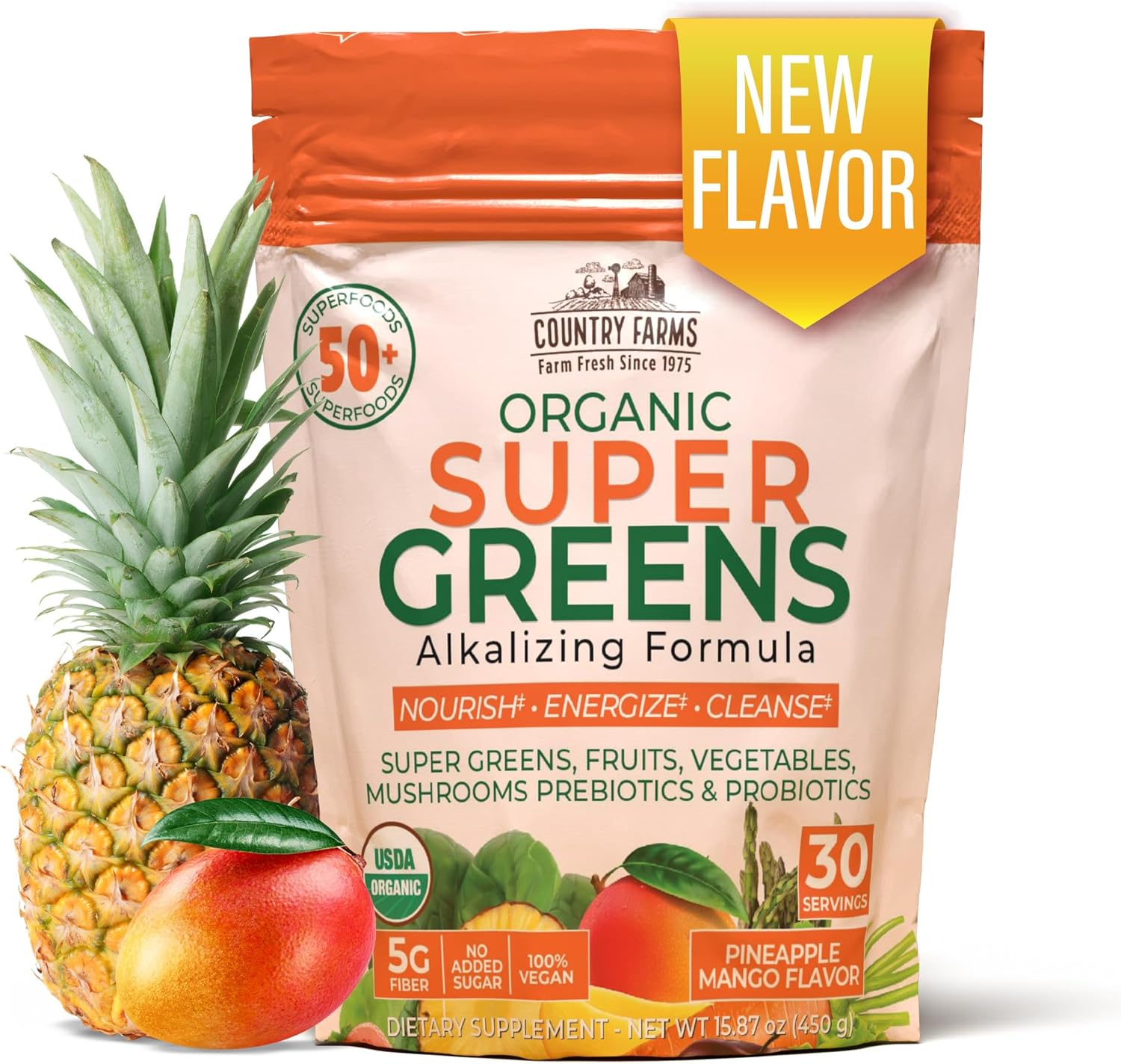
COUNTRY FARMS Super Greens Pineapple-Mango Flavor, 50 Organic Super Foods, USDA Organic Drink Mix (Wheat Grass, Spirulina, Chlorella) Mushrooms & Probiotics, Natural Energy, 30 Servings
$28.27 Buy Now -
Sale!

Nature’s Bounty Saw Palmetto Support for Prostate and Urinary Health, Herbal Health Supplement, 450mg, 250 Capsules
Original price was: $32.84.$21.05Current price is: $21.05. Buy Now -
Sale!
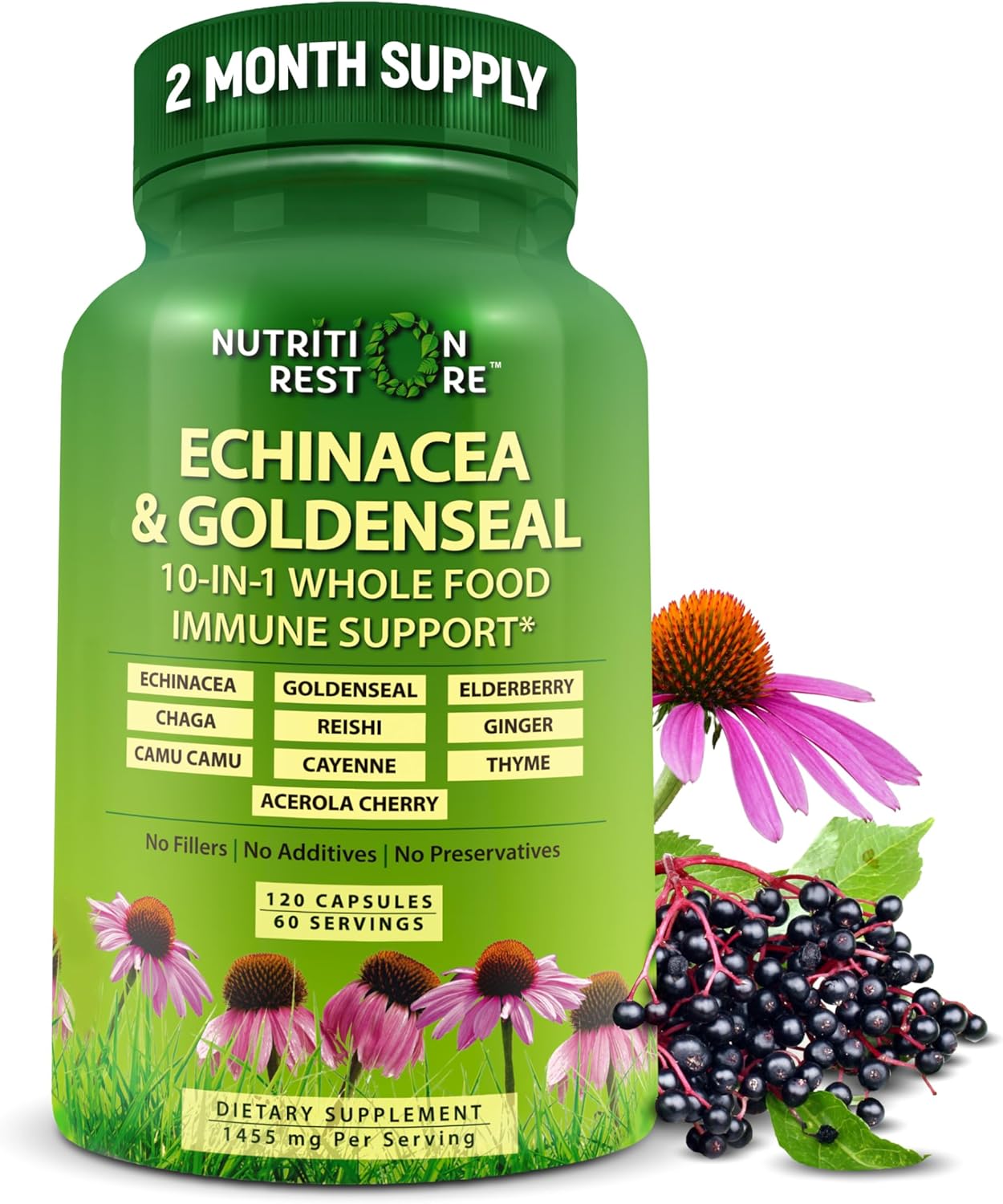
Echinacea Goldenseal Capsules – 10 in 1 Immune Support Supplement – 1455mg – Vegan Echinacea Capsules Supplement Made With Organic Whole Foods – Herbal Immune System Support – 2 Month Supply
Original price was: $28.49.$23.95Current price is: $23.95. Buy Now


:max_bytes(150000):strip_icc()/3-Cabbage-Types-sept-2024-f812d9af2533427c91643a1e18242541.jpg&description=Green+vs.+Napa+vs.+Savoy+Cabbage%3A+What%E2%80%99s+the+Difference%3F)