
Has the Body-Positivity Movement Stalled in the Age of GLP-1s?
Recently, the body-positivity movement seemed unstoppable, with magazine covers, runway shows, and inclusivity becoming the new norm. Fashion brands expanded size ranges, and women of all sizes finally saw some representation. However, over the past year or two, something has shifted. The energy surrounding the plus-size and body-positivity movements feels like it’s dwindling. It leaves us to wonder: has the meteoric rise of GLP-1 weight loss medications pushed plus-size inclusion to the sidelines?
The Body-Positivity Trend Trap
Model Hunter McGrady has been at the forefront of the body-positivity movement, gracing the pages of Sports Illustrated and advocating for inclusivity. She says she’s seeing the shift, but it’s par for the course. “Historically, we’ve seen movements shift,” McGrady says. “The pendulum swings one way, then another, and then it levels out again. With the rise of these medications, we’re seeing what so many of us feared: our bodies are treated like trends. We’ve lost sight of the core of the body-positive movement.”
The success of the plus-size movement wasn’t just about expanding size options – it was about changing perceptions, smashing stigmas, and moving away from the notion that thinness equates to beauty. But with the rapid popularity of these medications, some fear we’re moving back to the thin-centric ideals that dominated fashion for decades.

Fashion’s Step Backward
In recent years, fashion brands seemed to embrace size inclusivity, but today, the industry feels like it’s regressing. This shift is perplexing when you consider that 67 percent of American women wear size 14 or larger and the plus-size market is expected to exceed $101 billion by 2032. Despite this growing demand, only 20 percent of clothing is made for larger sizes and brands seem hesitant to embrace inclusivity.
Fewer collections feature extended sizes, and curvier models are not often seen on magazine covers and in runway shows. Some brands are quietly stepping back from their previous bold moves toward inclusivity, and it’s noticeable.
“Something Has Shifted”
Remi Bader, a curve model and influencer, has been vocal about the struggle to keep inclusivity in the spotlight. “When I started on social media, brands were listening,” Bader says. “I feel like it was trendy at the time. In 2020, 2021, even into 2022, brands wanted to expand sizes and be more inclusive, and consumers were demanding it. But something has shifted recently. Brands aren’t prioritizing inclusivity anymore, and it’s frustrating.”
McGrady sees this trend as a huge, missed opportunity. “Clothes are a basic necessity – nowhere does it say fashion is for a certain size. Brands are leaving money on the table by not catering to larger, more inclusive sizing,” she argues.
“I grew up curvy and shopping was so difficult and frustrating for me,” adds Bader. “When you get into that larger size range, it becomes more and more difficult, and it’s just not fair. If it’s a money issue, I don’t think that larger sizes should be the first thing that these brands are getting rid of. I think it’s important for every single person to have the same experience, especially when it comes to shopping.”
The Body-Positivity Fight Continues
Though the fashion industry may be swayed by the rise of the so-called “skinny shot,” those at the core of the movement still need acceptance and support. “The heart of the body-positive movement is about accepting larger bodies. That need for acceptance will never go away,” says McGrady. “Many of my friends have realized that even after losing weight, the self-acceptance they hoped for didn’t come. It was never about the weight – it was about how they saw themselves.”
For Bader, it’s important to keep pushing for inclusivity, even when it seems like the industry might be losing interest. “No matter what, I want to keep fighting for that because it’s something I really care about. Regardless of where I am in my career or whether the industry cares about it, it’s something I will continue to push for,” she says.
Conclusion
The body-positivity movement has made significant progress over the years, but recent trends suggest that it may be losing momentum. With the rise of GLP-1 weight loss medications, some fear that fashion brands are reverting to their old ways, prioritizing thinness over inclusivity. It’s essential to keep pushing for inclusivity and acceptance, despite the challenges.
FAQs
Q: What is the current state of the body-positivity movement?
A: The body-positivity movement seems to be losing momentum, with fashion brands prioritizing thinness over inclusivity.
Q: Why are GLP-1 weight loss medications a concern for the body-positivity movement?
A: GLP-1 weight loss medications may be contributing to a shift away from inclusivity and acceptance, prioritizing thinness over larger body types.
Q: What can be done to keep the body-positivity movement moving forward?
A: It’s essential to continue pushing for inclusivity and acceptance, advocating for brands to cater to larger sizes and prioritizing self-acceptance.
Recommended Products:
-
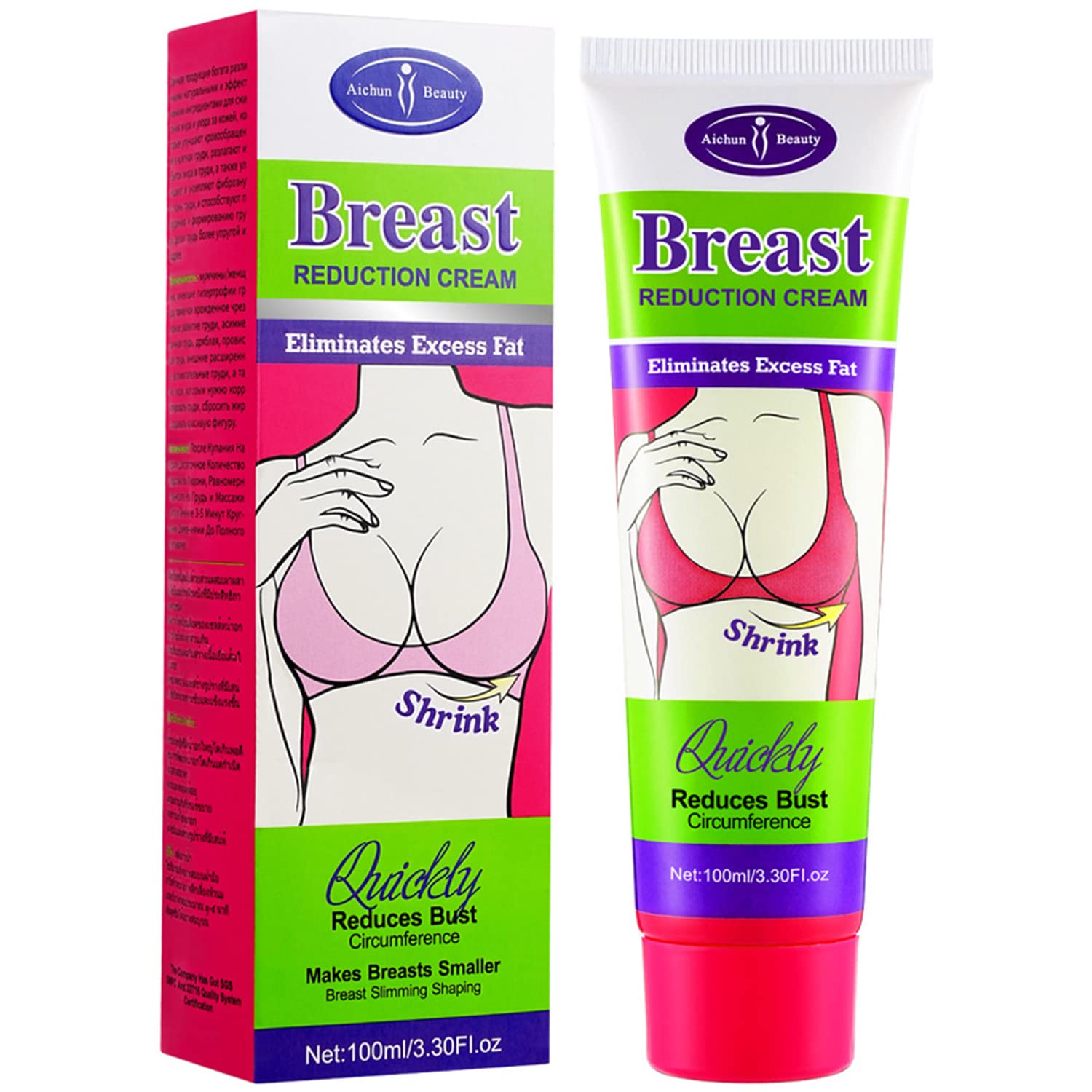
AICHUN BEAUTY Breast Reduction Cream Shrink Bust Quickly Slimming Shaping Breast Fat Burning 100ml 3.30 Fl. Oz
$11.99 Buy Now -
![Ecological Formulas – Vitamin C from Tapioca 150 gms [Health and Beauty]](https://m.media-amazon.com/images/I/81+rGql-jkL._AC_SL1500_.jpg "Ecological Formulas – Vitamin C from Tapioca 150 gms [Health and Beauty]")
Ecological Formulas – Vitamin C from Tapioca 150 gms [Health and Beauty]
$36.99 Buy Now -

bixa BOTANICAL Ayurvedic Natural Herbal Supplement Gotu Kola Powder Pure Authentic Premium Quality (Centella Asiatica)| Improve Overall Health | Natural Herbal Supplement (7 Ounce (Pack of 1))
$9.99 Buy Now