

How Facial Fillers Became a Household Name
The term "facial fillers" is now a staple in the world of beauty and aesthetics, with many individuals opting for these injectables to enhance their appearance. But how did facial fillers become so popular, and what makes them so appealing?
The answer lies in their versatility and ability to provide long-lasting, natural-looking results. Facial fillers are essentially dermal fillers, used to restore lost volume, fill wrinkles and creases, and plump lips. The popularity of facial fillers can be attributed to the numerous advancements made in their development over the years.
1800s: The Origins of Facial Fillers
The concept of altering the face with injectables is nothing new. In the 1800s, German chemist Karl von Reichenbach invented paraffin wax from petroleum, and Irish surgeon Francis Rynd developed the hollow-tipped hypodermic needle. By the end of the 19th century, doctors had combined these inventions and used paraffin as a filler for cosmetic procedures.

However, paraffin wax had some major drawbacks, including its tendency to migrate under the skin, leading to complications such as embolization and the formation of granulomas. This limited its use and popularity, making way for more advanced technologies.
1990s: Enter Hyaluronic Acid Fillers
The late 1990s saw the emergence of hyaluronic acid (HA) fillers, which revolutionized the field of dermal fillers. HA is a naturally occurring substance found in the body, known for its ability to hold up to 1000 times its weight in water. This made it an ideal material for filling wrinkles and creases, as well as plumping lips.
Hyaluronic acid fillers were introduced in the late 1990s, and they quickly gained popularity due to their ability to provide long-lasting, natural-looking results. The first HA fillers, such as Juvedérm and Restylane, were made from animal-derived products and had to be tested for allergies. This limited their use, but advancements in technology soon made it possible to develop cross-linked HA fillers, which are more stable and longer-lasting.
2000s: Biostimulatory Fillers
The 2000s saw the introduction of biostimulatory fillers, which were designed to stimulate the body’s natural collagen production. Fillers like Sculptra and Radiesse used to promote collagen production, providing a more natural and gradual enhancement of skin texture and volume.
Biostimulatory fillers were a game-changer, offering a more sustainable solution to addressing the signs of aging. They worked by encouraging the body to produce its own collagen, providing a more natural-looking and lasting result.
The Present: Advancements and Controversies
Today, facial fillers continue to evolve, with new advancements in technology and techniques. Combination fillers, which blend HA with other biostimulatory agents, are being developed. Fillers for new areas, such as the under-eyes and jawline, have also been approved.
However, controversy still surrounds facial fillers. Concerns about overfilling, the risk of complications, and the perception of artificial results continue to be discussed.
The Future: Trends and Expectations
Looking ahead, the future of facial fillers is promising, with ongoing research and innovation expected to improve their safety, efficacy, and longevity. Fillers for specific concerns, such as lip augmentation and facial sculpting, are expected to become more mainstream.
It’s clear that facial fillers have come a long way, with advancements in technology and techniques offering more natural-looking and longer-lasting results. As the field continues to evolve, we can expect to see even more exciting developments and advancements in the years to come.
Conclusion
In conclusion, facial fillers have undergone a remarkable transformation since their inception. From humble beginnings to the sophisticated technologies available today, facial fillers have become a staple in the world of beauty and aesthetics.
As we move forward, it’s essential to be aware of the potential risks and controversies surrounding facial fillers. However, with continued innovation and advancements, it’s likely that facial fillers will remain a popular and effective solution for those looking to enhance their appearance.
FAQs
Q: What are facial fillers?
A: Facial fillers are dermal fillers used to restore lost volume, fill wrinkles and creases, and plump lips.
Q: What are the different types of facial fillers?
A: There are various types of facial fillers, including hyaluronic acid fillers, biostimulatory fillers, and combination fillers.
Q: How do facial fillers work?
A: Facial fillers work by filling wrinkles and creases, plumping lips, and promoting collagen production.
Q: Are facial fillers safe?
A: Facial fillers are generally safe when performed by a qualified practitioner. However, as with any cosmetic procedure, there are potential risks and complications.
Q: How long do facial fillers last?
A: Facial fillers can last anywhere from several months to several years, depending on the type of filler and the individual’s skin.
Q: Are facial fillers reversible?
A: Some facial fillers can be dissolved, while others are more permanent. Consult with a qualified practitioner to determine the best option for your specific needs.
Recommended Products:
-

Anti Aging Total Beauty an All in one Nutritional Anti-ageing Supplement for Skin, Hair, Nails and Your Figure 90 Capsules
$67.00 Buy Now -

Eternal Spirit Beauty Hydrolyzed Collagen Peptides: Type 1 & 3 with Hyaluronic Acid, Biotin, Vitamins C & E
$26.99 Buy Now -
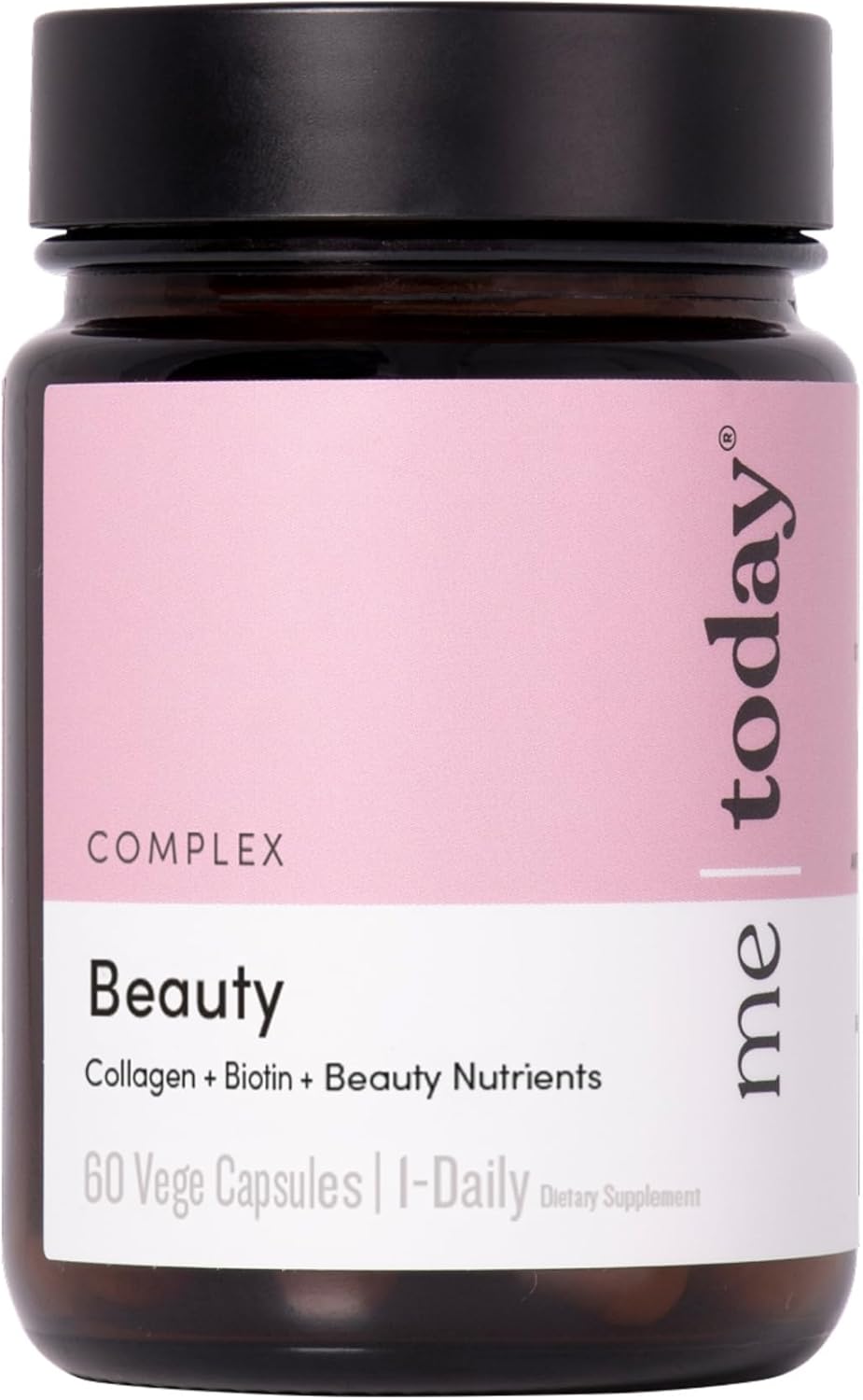
Beauty Supplement, for Hair, Skin and Nails, 60 Capsules, with Vitamin C, Collagen, Biotin and Zinc
$19.99 Buy Now