
How Much Coffee Should Drink If You Want To Live Longer?
Coffee: The Beloved Beverage with a Complicated Reputation
Coffee is one of the most consumed beverages across the globe. It’s a treasured morning ritual or a post-dinner tradition. But there still seems to be this belief that coffee isn’t really healthy, and consuming (especially) a lot of it is ill-advised.
Debunking the Myths: Coffee’s Health Benefits
Coffee has been linked to several health benefits, and moderate consumption can actually help you live longer. Let’s dive into the world of coffee and explore how much you should drink to reap its benefits.
Studies have shown that moderate coffee consumption – defined as 3-4 cups per day – can reduce the risk of stroke, type 2 diabetes, and certain types of cancer. Additionally, it can improve cognitive function and even reduce the risk of depression.

Understanding the Science Behind Coffee’s Health Benefits
The antioxidants present in coffee may play a significant role in its health benefits. Chlorogenic acid, for instance, has been shown to have anti-inflammatory properties. Other compounds like cafestol and kahweol, which are found in green coffee beans, have also been linked to various health benefits.
It’s essential to note that individual tolerance to coffee and caffeine varies greatly. While some people may experience jitters or anxiety after consuming moderate amounts of coffee, others may not experience any side effects at all.
The Importance of Clean and High-Quality Coffee Beans
When it comes to reaping the benefits of coffee, the quality of the beans used is crucial. Not all coffee beans are created equal, and some may contain unwanted contaminants or additives.
Clean coffee+ by mindbodygreen undergoes rigorous testing for purity, potency, and sensory tests in the USA. The third-party lab testing involves numerous parameters, including caffeine, theobromine, polyphenols, heavy metals, yeast, mold, bacteria, mycotoxins, acrylamide, pesticides, solvents, acidity, and more.
The end result is a premium whole coffee bean that exceeds industry-leading quality standards for potency, purity, and taste experience.
How to Choose the Right Amount of Coffee for Your Body
The amount of coffee that’s right for you will depend on several factors, including your age, health, and individual sensitivity to caffeine. Here are a few tips to help you determine the perfect cup of coffee:
- Start with a small amount: If you’re new to coffee or haven’t consumed it in a while, start with a small amount (about 1/2 cup) and gradually increase the amount as needed.
- Pay attention to your body: Listen to your body and adjust your coffee intake accordingly. If you experience jitters, anxiety, or an irregular heartbeat, it may be a sign that you’re consuming too much coffee.
- Consult with a healthcare professional: If you have any pre-existing medical conditions or are concerned about the amount of coffee you’re consuming, consult with a healthcare professional for personalized advice.
Coffee: The Key to a Longer, Healthier Life?
In conclusion, coffee can be a healthy addition to your daily routine when consumed in moderation. By choosing high-quality, clean coffee beans and paying attention to your individual sensitivity to caffeine, you can reap the benefits of coffee and potentially live a longer, healthier life.
FAQs:
- Q: How much coffee is too much coffee?
A: While the ideal amount of coffee varies from person to person, consuming more than 4 cups per day may be considered excessive. It’s essential to pay attention to your body and adjust your coffee intake accordingly.
- Q: Is decaf coffee a better option?
A: Decaf coffee may be a better option for those who are extremely sensitive to caffeine. However, it’s essential to note that decaf coffee can still contain small amounts of caffeine, so individual tolerance may vary.
- Q: Can coffee interact with medications?
A: Yes, coffee can interact with certain medications, such as antidepressants, and may reduce their effectiveness. It’s essential to consult with a healthcare professional if you’re taking any medications and have concerns about coffee consumption.
Recommended Products:
-

Purely Inspired Organic Green Powder Smoothie Mix, Unflavored (24 Servings) – Probiotics for Digestive Health with Spirulina & Chlorella for Gut Health – Vegan & Gluten-Free
$19.99 Buy Now -
Sale!

Nature’s Bounty Turmeric With Black Pepper Extract, Supports Antioxidant Health, 1000mg, 60 Capsules
Original price was: $21.28.$12.30Current price is: $12.30. Buy Now -
Sale!
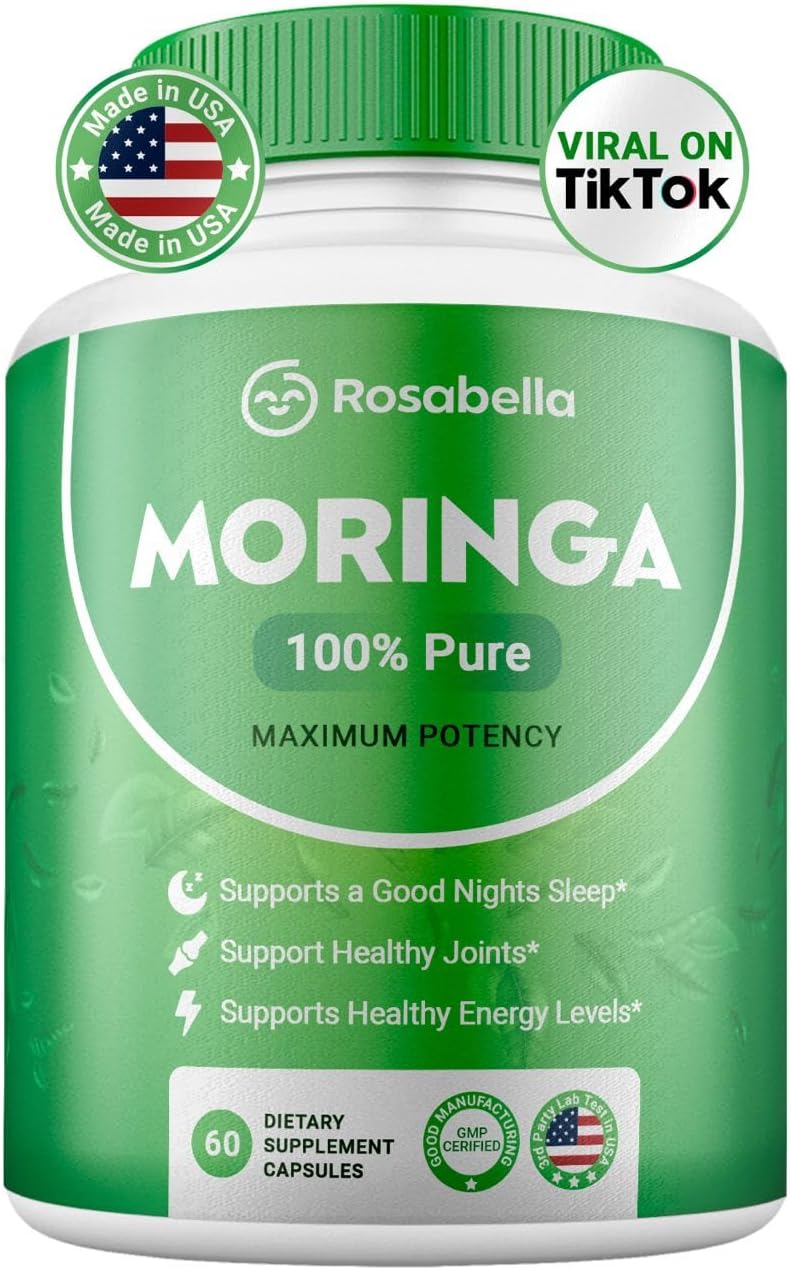
Moringa Powder Capsules – 800mg of Pure Nutrient-Rich Moringa Powder – A Natural Green Antioxidant Superfood – Supports Energy, Skin Health, Gut Health+ – w/Essential Vitamins & Amino Acids
Original price was: $40.00.$29.98Current price is: $29.98. Buy Now