Is Almond Milk Healthy? Nutrition, Benefits, and Downsides
What is Almond Milk?
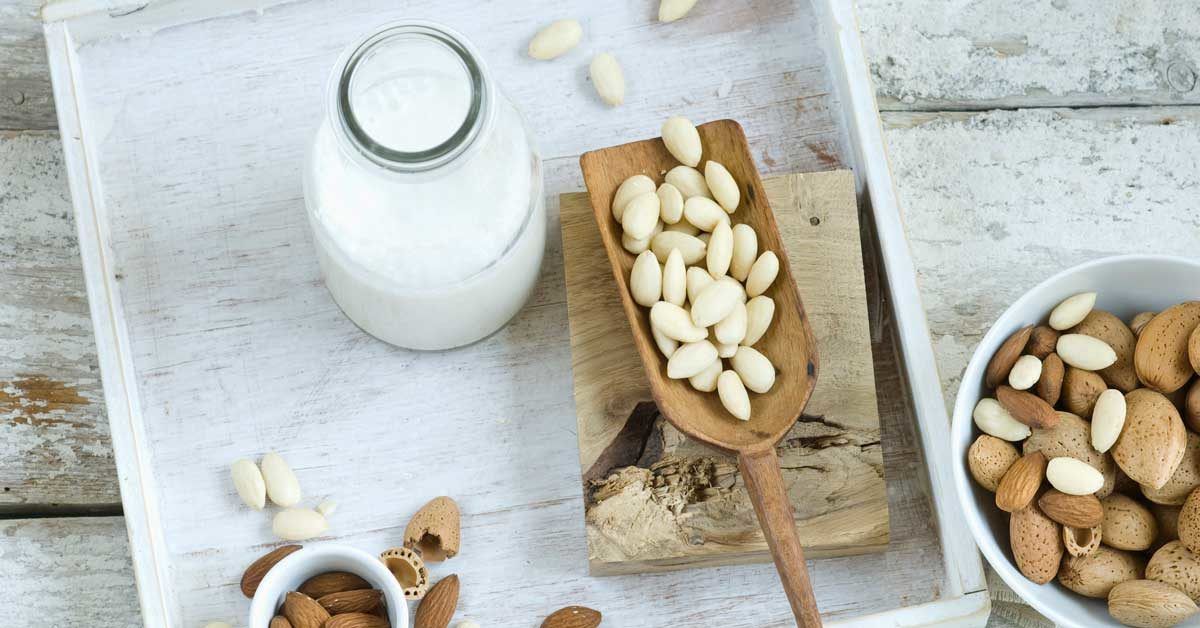
Almond milk is a plant-based beverage made from processing almonds, water, and sometimes other additives. It’s high in vitamin E, but may not be suitable for children and it’s best to choose natural, unsweetened products.
Rise of Plant-Based Diets and Dairy Sensitivities
With the rise of plant-based diets and dairy sensitivities, many people look for an alternative to cow’s milk. Almond milk is one of the top-selling plant-based milks due to its rich texture and flavor.
Nutrition Facts
Almond milk is very low in calories, with only 39 calories per cup (240 ml). It also contains various nutrients. One cup (240 ml) of commercial almond milk provides:
- Calories: 39
- Fat: 3 grams
- Protein: 1 gram
- Carbs: 3.5 grams
- Fiber: 0.5 grams
- Calcium: 24% of the Daily Value (DV)
- Potassium: 4% of the DV
- Vitamin D: 18% of the DV
- Vitamin E: 110% of the DV
Health Benefits
Almond milk may provide certain health benefits. Here are a few:
High in Vitamin E
Almonds are an excellent source of vitamin E, which is a fat-soluble vitamin important for protecting your cells from free radical damage. Vitamin E promotes eye and skin health and may play a role in protecting against conditions like heart disease.
Unsweetened Varieties are Low in Sugar
Most people eat too much added sugar in the form of desserts, drinks, and sweeteners. Choosing food and beverages naturally low in sugar can help you manage weight and limit your risk of certain chronic diseases.
Downsides
While almond milk has its benefits, it’s not without its downsides. Here are a few:
May Contain Additives
Processed almond milk can contain many additives like sugar, salt, flavors, gums, and carrageenan. These ingredients are safe unless consumed in extremely high amounts.
Low in Protein and Nutrients
Almond milk is low in protein, fat, and nutrients important for an infant’s growth and development. What’s more, many processed varieties contain additives that can disrupt gut health.
Not Suitable for Infants
Children younger than 1 year should not drink cow’s or plant-based milks, as these can prevent iron absorption. Breastfeed or use infant formula exclusively until 4–6 months of age when solid food can be introduced.
How to Choose a Healthy Almond Milk
When choosing a product, be sure to look for an unsweetened variety. You can also select a type without added gums or emulsifiers if these ingredients are a concern to you. Finally, if you follow a restricted diet, such as veganism or vegetarianism, and are concerned about your nutrient intake, choose almond milk that is fortified with calcium and vitamin D.
How to Make Your Own Almond Milk
To make your own almond milk, follow this simple recipe:
- 2 cups (280 grams) of soaked almonds
- 4 cups (1 liter) of water
- 1 teaspoon (5 ml) of vanilla extract (optional)
Soak the almonds in water overnight and drain before use. Add the almonds, water, and vanilla to a blender and pulse for 1–2 minutes until the water is cloudy and the almonds are finely ground. Pour the mixture into a mesh strainer that is placed over a bowl and lined with a nut milk bag or cheesecloth. Be sure to press down to extract as much liquid as possible. You should get approximately 4 cups (1 liter) of almond milk.
Conclusion
Almond milk can be a great plant-based option for those avoiding cow’s milk. Unsweetened varieties are naturally low in calories and sugar while providing plenty of vitamin E. However, almond milk is low in protein and sweetened types can be loaded with sugar. If you enjoy almond milk, be sure to select unsweetened and unflavored versions and add other protein-rich foods to your diet.
FAQs
- Q: Is almond milk healthy?
- Q: What are the benefits of almond milk?
- Q: Is almond milk suitable for infants?
- Q: What are some downsides of almond milk?
- Q: How do I choose a healthy almond milk?
- Q: Can I make my own almond milk?
A: Almond milk can be a healthy option when chosen unsweetened and unflavored. It’s low in calories and sugar and high in vitamin E.
A: Almond milk may provide certain health benefits, such as being high in vitamin E and low in sugar.
A: No, almond milk is not suitable for infants. Breastfeed or use infant formula exclusively until 4–6 months of age when solid food can be introduced.
A: Almond milk may contain additives like sugar, salt, flavors, gums, and carrageenan. It’s also low in protein and nutrients important for an infant’s growth and development.
A: When choosing a product, look for an unsweetened variety. You can also select a type without added gums or emulsifiers if these ingredients are a concern to you.
A: Yes, you can make your own almond milk by blending soaked almonds with water and straining the mixture through a cheesecloth or nut milk bag.
Recommended Products:
-

Ancestral Supplements Greens Powder Capsules, Organic Superfood Greens & Reds Blend with Spirulina, Chlorella, Grass Fed Beef Organs, and Probiotics for Gut Health, Non GMO, 615mg Each, 180 Count
$49.00 Buy Now -
Sale!

NOW Foods Supplements, Whole Psyllium Husks, Non-GMO Project Verified, Soluble Fiber, 24-Ounce
Original price was: $22.99.$16.66Current price is: $16.66. Buy Now -

1MD Nutrition CurcuminMD Plus – Turmeric Curcumin with Boswellia Serrata – 285x More Absorbable | Joint Stiffness, Muscle Recovery, and Mood Support | 180 Capsules (3-Pack)
$104.97 Buy Now