
:max_bytes(150000):strip_icc()/The-Surprising-Factor-That-Could-Increase-Your-Dementia-Risk-by-31-e7e17951db28425b8f100203a48228c1.jpg "Loneliness Associated with 31% Increased Dementia Risk")
The Surprising Factor That Could Increase Your Dementia Risk by 31%
How Was This Study Conducted & What Did It Find?
Researchers at Florida State University College of Medicine conducted a meta-analysis to examine the link between loneliness and dementia. The study analyzed 21 studies, involving over 600,000 participants, to determine the association between loneliness and the risk of developing dementia, including Alzheimer’s disease and vascular dementia.

How Does This Apply to Real Life?
The findings of this study are not surprising, considering the mounting evidence linking loneliness to poor health. Dementia is a spectrum, and the neuropathological changes in the brain start decades before symptoms appear. It’s essential to continue studying the link between loneliness and different cognitive outcomes or symptoms across this spectrum.
The study defines loneliness as a dissatisfaction with social relationships, which can impact cognitive function and daily life. The Centers for Disease Control and Prevention (CDC) notes that loneliness is often caused by a lack of meaningful or close relationships or a sense of belonging, which is a fundamental human need.
According to the National Institute on Aging, certain risk factors for loneliness include vision, hearing, and mobility problems; lack of transportation; living alone; death of a loved one or retirement; caring for a loved one who is unwell; and language barriers.
The Bottom Line
This meta-analysis found that loneliness is associated with a 31% increase in dementia. One of the best ways to prevent loneliness is to nurture strong, healthy relationships. If you feel you don’t have that in your life already, find ways to make connections. And if you know someone who appears to be lonely, reach out to them – you just might play a role in helping to keep their brain healthy and feel loved.
FAQs
- What is the study’s definition of loneliness?
Loneliness is a dissatisfaction with social relationships, which can impact cognitive function and daily life. - What are the risk factors for loneliness?
According to the National Institute on Aging, risk factors include vision, hearing, and mobility problems; lack of transportation; living alone; death of a loved one or retirement; caring for a loved one who is unwell; and language barriers. - How can I prevent loneliness?
Nurture strong, healthy relationships and reach out to others who may be experiencing loneliness. - How can I help someone who is feeling lonely?
Reach out to them regularly, schedule a phone call, video chat, or in-person visit, or help them find a community group or organization that aligns with their interests.
Recommended Products:
-

NutraChamps Super Greens Powder Premium Superfood | 20+ Organic Green Veggie Whole Foods | Wheat Grass, Spirulina, Chlorella & More | Antioxidant, Digestive Enzyme & Probiotic Blends
$31.95 Buy Now -
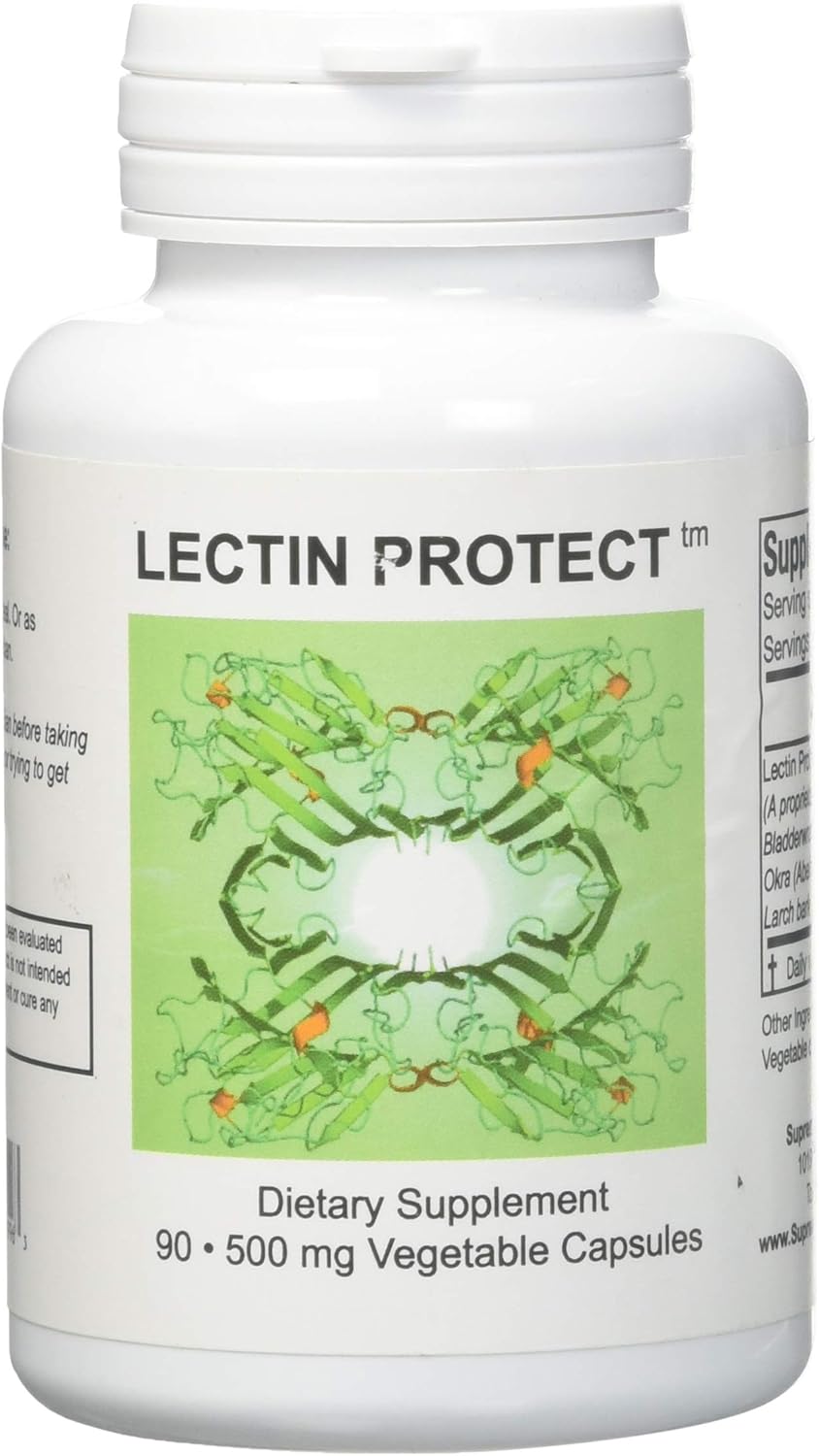
Supreme Nutrition Lectin Protect, 90 Pure Herbal Combination Vegetarian Capsules
$31.99 Buy Now -

Supreme Nutrition Elderberry Tincture, 2 fl. oz | 1.2 ml per Serving | 49 Servings
$31.99 Buy Now

:max_bytes(150000):strip_icc()/The-Surprising-Factor-That-Could-Increase-Your-Dementia-Risk-by-31-e7e17951db28425b8f100203a48228c1.jpg&description=Loneliness+Associated+with+31%25+Increased+Dementia+Risk)