
Pros and Cons of the Keto Diet
Helps with Faster Weight Loss
While this sounds promising, there’s an immediate caveat – basically all the research on keto for weight loss has been done on people with obesity. So, if you’re looking to use this diet to lose the last 5 pounds, you may not see the same results. But for people with a significant amount of excess body weight, a keto diet can be an effective choice for weight loss.

Can Help with Blood Sugar Management in Type 2 Diabetes
There’s been a lot of research on keto for type 2 diabetes, and for good reason. Low-carb diets have been a mainstay of diabetes management, and they were recommended well before injectable insulin became available. So, while low-carb diets for diabetes are nothing new, keto provides a novel approach by upping the fat content. It’s well established in the research that keto and low-carb diets can help stabilize blood sugar, but there may actually be more potential benefits at play.
May ‘Starve’ Cancer Cells of Energy
While the research on keto as part of cancer treatment is new – and highly controversial – some small studies have shown possible benefits. The idea behind this is related to something called the Warburg effect. This claims that there are metabolic changes in cancer cells that mean they primarily use glucose (carbs) for energy, even when oxygen is available. Theoretically, a keto diet that cuts down on carbs and forces the body to rely on fat for fuel might "starve" cancer cells. This could potentially weaken cancer cells, making them more susceptible to chemotherapy and radiation, while protecting normal cells.
May Reduce Your Risk of Cardiovascular Disease
Like many of the potential benefits of keto, the research on this is also conflicting, but some experts claim that keto could be good for heart health. While a 2023 meta-analysis showed a decrease in blood triglycerides, it also showed increases in both HDL (good) cholesterol and LDL (bad) cholesterol. Another study showed no significant increase in LDL.
Can Cause Nutrient Deficiencies
Because the keto diet limits carbs to just 50g, it doesn’t leave room to include many fruits or vegetables. These are your body’s primary source of essential vitamins and minerals, all of which play a role in keeping your cells healthy. Most notably, keto diets are often low in vitamins A, E, and B6, as well as folate, calcium, magnesium, potassium, and iron. If you’re trying keto, you can mitigate some of these deficiencies by eating plenty of low-carb vegetables like leafy greens, broccoli, asparagus, and zucchini. It’s also a good idea to work with a registered dietitian if you’re planning on following the diet for an extended period of time.
May Cause Digestive Issues
Staying low-carb means you won’t be eating many beans, lentils, or whole grains, which are all good sources of fiber. This can lead to constipation and slow digestion. Consuming so much fat can also be tough on your digestive system. Many people who try keto experience gastrointestinal (GI) issues like diarrhea, cramping, bloating, and stomach upset.
Could be Bad for Heart Health
While we discussed the possible benefits on heart health earlier, we also touched on the risks. If you’re eating a keto diet that’s high in sources of saturated fat – like meat, cheese, and butter – you’re at risk of harming your heart health. Saturated fat is known to increase levels of LDL (bad) cholesterol, which can clog your arteries. This is associated with heart and cardiovascular disease.
Can be Hard to Stick to
Sticking to a keto diet can be tricky, and it’s not easy to do long term. There’s also no long-term data on its safety, so it’s not something you’d want to do without the supervision of a healthcare professional. Following a keto diet requires a lot of meal planning and food preparation, and this can be incredibly challenging for people with busy jobs and families. It’s also hard to find keto-friendly options at restaurants and social gatherings, so some people find it negatively affects their social life.
Conclusion
While proponents of the keto diet may shout about its endless benefits, there are some important risks to be aware of. For instance, eating a high-fat diet can negatively affect your heart health and cause GI issues. There’s also no long-term data on the safety of keto. However, for people with obesity and type 2 diabetes, the benefits of keto might outweigh the risks. If you want to try keto, it’s a good idea to speak with your doctor or a dietitian, especially if you have any health conditions. They can advise you on how to do the diet as safely and sustainably as possible.
FAQs
Q: Is the keto diet right for me?
A: It’s essential to consider your health goals and any health conditions you may have before starting a keto diet.
Q: How do I get started with keto?
A: Start by speaking with a registered dietitian or healthcare professional to ensure a keto diet is safe and suitable for you. Once you’ve got the green light, follow a keto diet plan and stick to a low-carb, high-fat meal routine.
Q: Can I still eat the foods I love on a keto diet?
A: While it’s necessary to limit your carb intake, you can still include some of your favorite foods in a keto diet. Focus on whole foods and learn to cook with new ingredients like avocados, coconut oil, and fatty fish.
Q: Is it possible to do keto long term?
A: There’s no long-term data on the safety of keto, so it’s important to consult with a healthcare professional before making keto a long-term part of your diet plan.
Recommended Products:
-

Nordic Naturals Ultimate Omega Jr., Strawberry – 120 Mini Soft Gels – 680 Total Omega-3s with EPA & DHA – Brain Health, Mood, Learning – Non-GMO – 60 Servings
$34.81 Buy Now -
Sale!

Vitamin Code Healthy Blood 60ct CAPSULES
Original price was: $16.99.$13.29Current price is: $13.29. Buy Now -
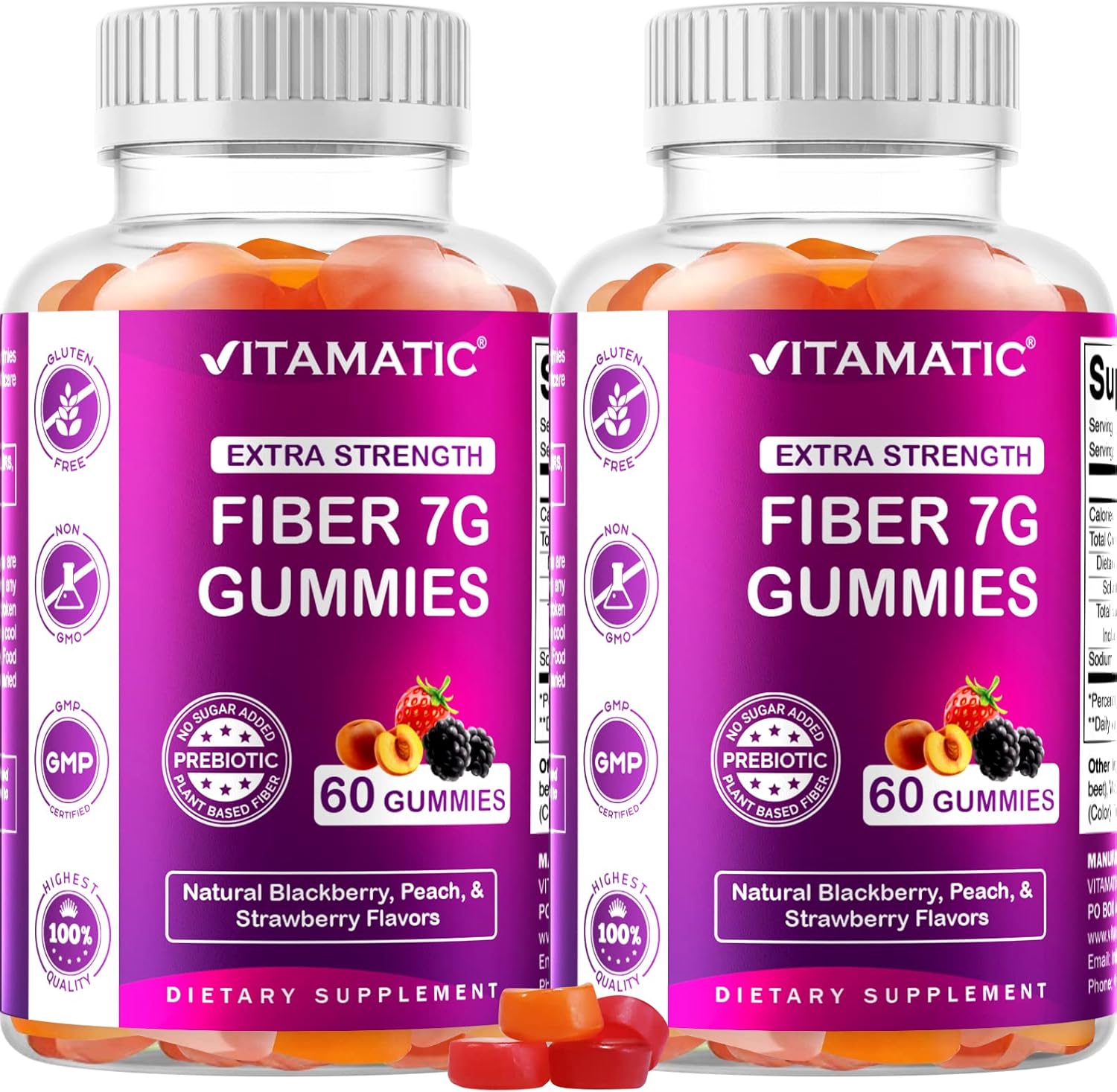
Vitamatic 2 Pack Prebiotic Fiber Gummies for Adults – 7G Fiber Extra Strength – Zero Sugar Added – 60 Pectin Based Gummies – Digestive Health & Regularity Support, (Total 120 Count)
$21.99 Buy Now