Introduction
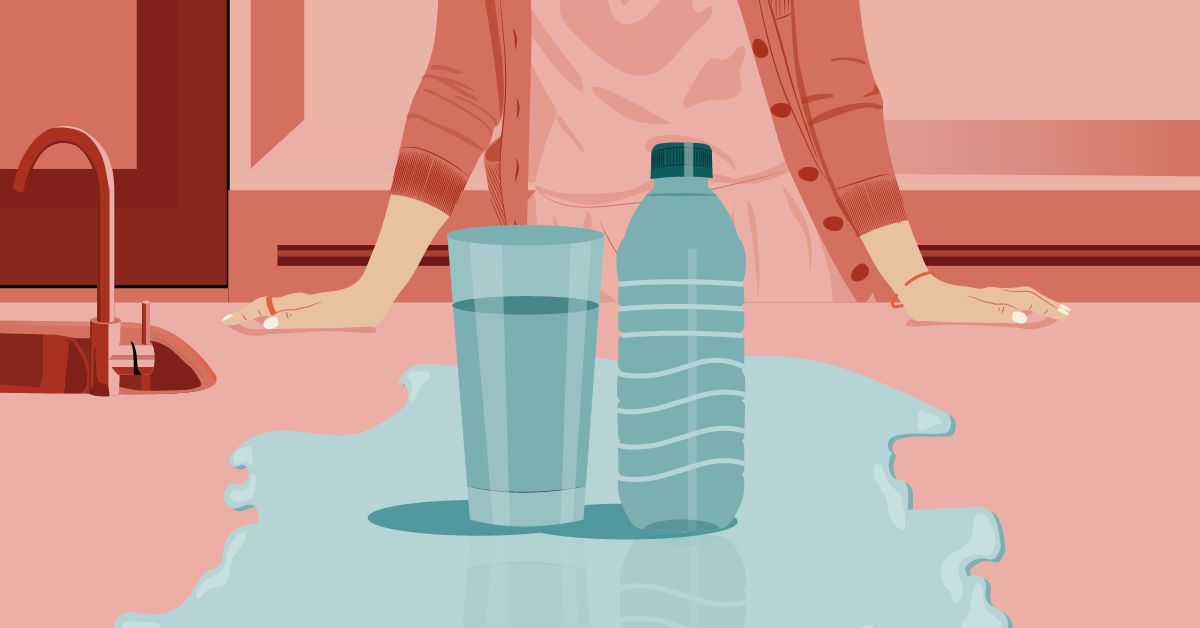
Over the past few years, bottled water consumption has grown significantly due to its perceived safety and better taste compared to tap water. However, with growing concerns about environmental impact and potential health effects, many people are starting to wonder whether tap water is the better choice.
Tap Water
Tap water, also known as municipal water, comes from large wells, lakes, rivers, or reservoirs. This water typically passes through a water treatment plant before being piped into homes and businesses. While contaminated drinking water is an issue in some regions, tap water is generally safe, convenient, and environmentally friendly.

Safety
According to the Centers for Disease Control and Prevention (CDC), the United States has one of the world’s safest drinking water supplies. The EPA is responsible for identifying and setting legal limits for potential contaminants in drinking water under the Safe Drinking Water Act (SDWA).
Tastes just as good as bottled water
Many people believe bottled water tastes better, but in blind taste tests, most people can’t tell the difference between tap and bottled water.
Inexpensive and convenient
Tap water’s biggest benefits are its low cost and convenience. It’s simple to fill up a reusable bottle with tap water before heading out the door, and tap water is available at restaurants, bars, and public drinking fountains – and is almost always free.
Conclusion
In summary, while quality may vary by region, tap water is generally safe, inexpensive, and convenient. While bottled water may have some advantages, such as being available on-the-go, the environmental impact and higher cost of bottled water make tap water a better choice.
FAQs
What is tap water?
Tap water is water that comes from a tap or faucet in a building. It is typically treated with chlorine or other disinfectants to kill bacteria and other microorganisms.
Is tap water safe to drink?
Yes, tap water is generally safe to drink. The EPA sets legal limits for contaminants in drinking water, and public water systems are required to test for these contaminants regularly.
Why does tap water taste different than bottled water?
Tap water may taste different than bottled water due to differences in the treatment process or the type of minerals present in the water. Some people may prefer the taste of one over the other, but in blind taste tests, most people can’t tell the difference.
Can I use a filter to improve the taste of tap water?
Yes, you can use a filter to improve the taste of tap water. Many filters, such as pitcher-style filters or faucet-mounted filters, can remove impurities and improve the taste and odor of tap water.
Why is bottled water more expensive than tap water?
Bottled water is more expensive than tap water because it requires a significant amount of energy and resources to produce, transport, and distribute. The cost of bottled water can add up quickly, especially if you purchase single-serving bottles.
Can I reuse plastic water bottles?
No, it is not recommended to reuse plastic water bottles. Plastic bottles can contain chemicals that can leach into the water, and reusing them can increase the risk of contamination. It’s better to use a reusable water bottle made of glass or stainless steel.
Recommended Products:
-
Sale!

NOW Supplements, Nutritional Yeast Flakes, Fortified with Additional B-Vitamins, Super Food, 10-Ounce
Original price was: $18.99.$11.63Current price is: $11.63. Buy Now -

Red Marine Algae 500 – Gigartina & Dumontacea – 90 VCaps/500mg
$38.99 Buy Now -

Zenwise Health Green Tea Extract with EGCG & Green Coffee Bean – Antioxidant & Immune Supplement –Metabolism Support + Heart & Brain Health+Memory Boost – 120 Count
$21.97 Buy Now