
:max_bytes(150000):strip_icc()/doing-this-healthy-habit-daily-can-boost-brain-healthreduce-cementia-risk-6fe3d5fe985142d0907eb9c0dd32e08b.jpg "The #1 Habit to Start Now to Reduce Your Dementia Risk")
The #1 Habit to Start Now to Reduce Your Dementia Risk
While disease prevention often focuses on heart disease and cancer, brain health seems to be less talked about. Perhaps this is because heart disease is the leading cause of death in the U.S.—and cancer ranks second, according to the Centers for Disease Control and Prevention. Taking seventh place, though, is Alzheimer’s disease, a type of dementia.
Understanding Dementia
Dementia is a general term for declining memory, reasoning or other thinking skills, whereas Alzheimer’s disease is a specific brain disease that accounts for the majority of dementia cases, affecting nearly 7 million people in the U.S., says the Alzheimer’s Association.
The Importance of a Healthy Lifestyle
As with any disease, your genes can influence your risk for Alzheimer’s, but a healthy lifestyle has been shown to decrease the risk of dementia, no matter your genetic makeup.

The Earlier You Start, the Better
The earlier you start practicing healthy lifestyle habits the better. This is because the changes in the brain that lead to Alzheimer’s disease can begin at least 20 years before any symptoms show up.
The #1 Habit to Start Now: Exercise
Exercise is the No. 1 habit to start now if you’re not already doing it regularly. There are so many benefits to moving your body, including strengthening your heart, lungs and muscles, improving your mood, and reducing your risk of diseases like diabetes and cancer.
As far as your brain is concerned, exercise boosts blood flow to your brain, which may be one reason it reduces your risk of dementia, suggests one study.
The study looked at 70 men and women between the ages of 55 to 80 with diagnosed mild memory loss. The participants were randomly assigned to one of two groups for 12 months. One group completed regular stretching sessions and the other group performed four to five weekly exercise sessions (two of which were high-intensity), each lasting 30 to 40 minutes.
After a year, those in the exercise group had less stiffness in the blood vessels in their necks and more blood flow to their brains. Those in the stretching-only group didn’t experience similar beneficial changes.
Why Exercise May Help
There are some clues as to why physical activity may improve cognition. For example, a study suggests that exercise may directly impact many of the brain changes involved in the development of Alzheimer’s disease.
In other words, exercise may impact the brain on a cellular level.
Fitting in More Activity for Brain Health
If you’re not currently engaging in regular physical activity, today is a good day to begin. It can be as simple as a walk around the block. Just start where you’re at and, over time, progressively increase your time and intensity.
Try out new activities, such as pickleball, dance or yoga. Learning something new improves brain health too. While people who are already in the exercise groove will tell you that you’ll feel so much better after a workout, that feeling may not come for a while. But once you get into the habit—and you move your body in ways that bring you joy—you may really come to like it.
Other Habits for a Healthy Brain
Fire up your brainpower with these additional habits:
- Eat a balanced diet: One example of this is the MIND diet, a fusion of the Mediterranean diet and the DASH diet, which was designed for healthy blood pressure, that includes eating ample whole grains, leafy greens, berries, fish, nuts, beans and vegetables. There is evidence that eating in line with the MIND diet can lessen risk of cognitive decline, even if you’re already experiencing symptoms.
- Get adequate sleep: A lack of sleep, which in turn, increases stress, has been linked to an increased risk of dementia. Aim for seven to nine hours of quality sleep per night. Waking up at the same time each morning, exercising and avoiding blue light before bed can all help you get a better night’s rest.
- Connect with others: Social isolation and loneliness is linked to depression and dementia. On the flip side, it’s been shown that people who maintain close social ties have younger brains.
- Avoid smoking and excessive alcohol intake: These can both speed up cognitive decline. Even drinking moderate amounts of alcohol has been shown to reduce brain volume. To reduce your alcohol intake, try one of these nonalcoholic drinks.
The Bottom Line
Exercise—or the lack of it—impacts health on numerous levels, including your brain. Research shows that physical activity may help preserve cognition by increasing blood flow to the brain and may help decrease the risk of dementia like Alzheimer’s. If you aren’t currently physically active, start with small breaks of movement during the day and build a regular routine from there.
Conclusion
In conclusion, exercise is the #1 habit to start now to reduce your dementia risk. By incorporating regular physical activity into your routine, you can help boost blood flow to your brain, improve your mood, and reduce your risk of diseases like diabetes and cancer. Remember, the earlier you start, the better, and even small breaks of movement during the day can make a difference. Start your journey to a healthier brain today!
FAQs
Q: How much exercise do I need to do to reduce my dementia risk?
A: Start with small breaks of movement during the day and build a regular routine from there. Aim for at least 30 minutes of moderate-intensity exercise per session, three to four times a week.
Q: Can I still reduce my dementia risk if I’m already experiencing symptoms?
A: Yes, research shows that eating a balanced diet, getting adequate sleep, and engaging in regular physical activity can all help lessen the risk of cognitive decline, even if you’re already experiencing symptoms.
Q: Is it too late to start exercising if I’m older?
A: No, it’s never too late to start exercising. Even small amounts of physical activity can make a difference, and it’s always better to start slowly and gradually increase your intensity and duration.
Recommended Products:
-
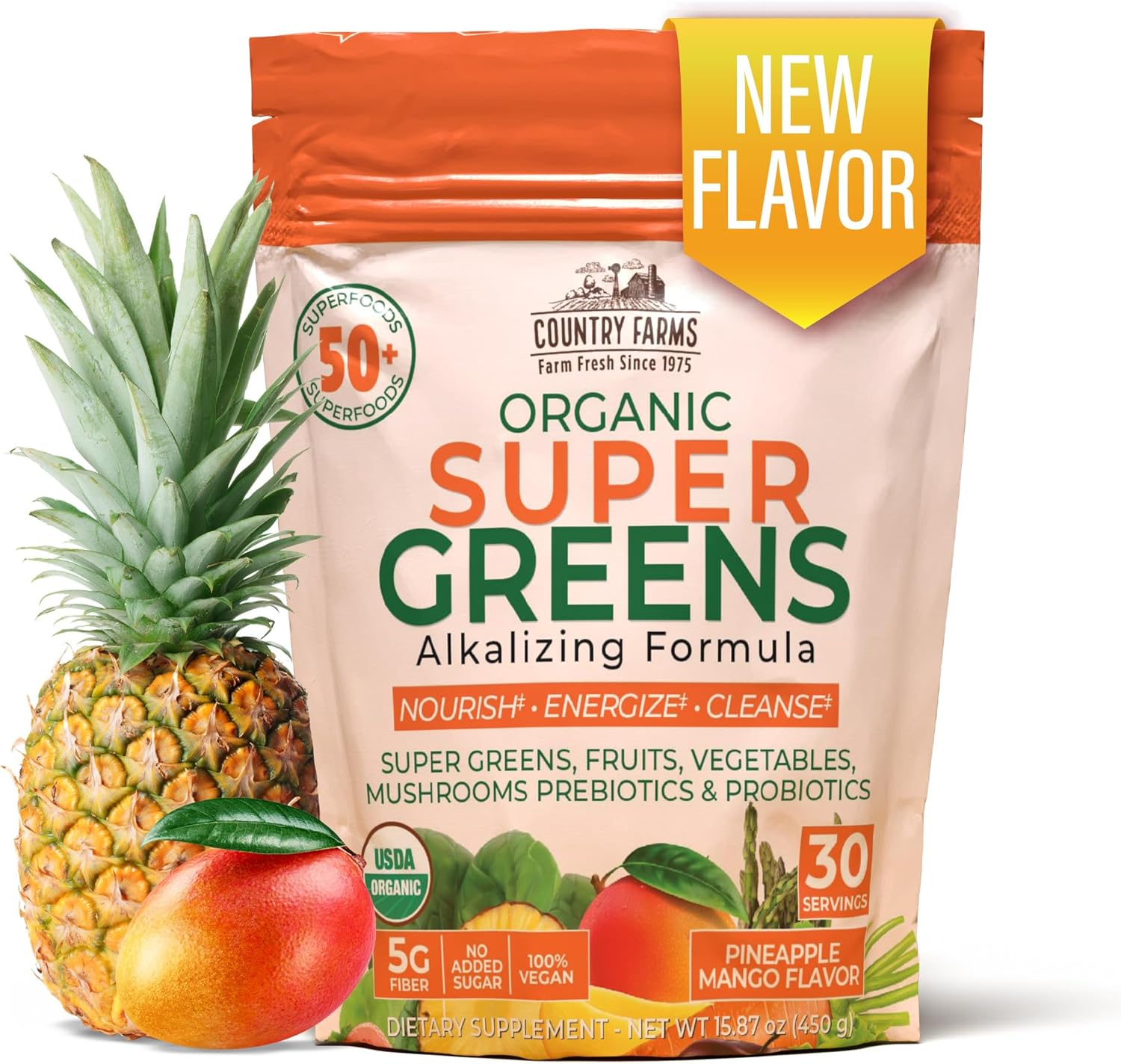
COUNTRY FARMS Super Greens Pineapple-Mango Flavor, 50 Organic Super Foods, USDA Organic Drink Mix (Wheat Grass, Spirulina, Chlorella) Mushrooms & Probiotics, Natural Energy, 30 Servings
$28.27 Buy Now -
Sale!

Nature’s Bounty Saw Palmetto Support for Prostate and Urinary Health, Herbal Health Supplement, 450mg, 250 Capsules
Original price was: $32.84.$21.05Current price is: $21.05. Buy Now -
Sale!
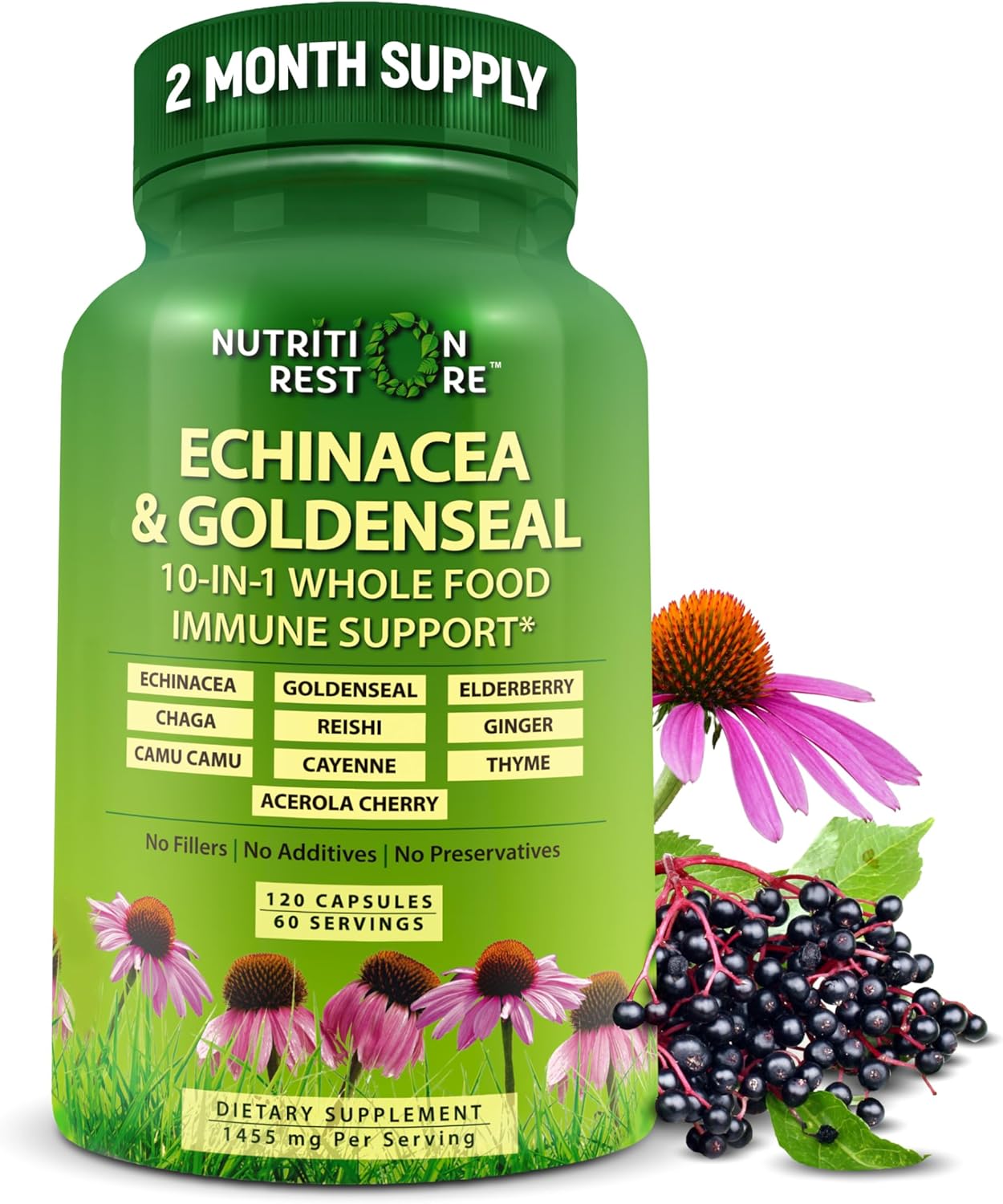
Echinacea Goldenseal Capsules – 10 in 1 Immune Support Supplement – 1455mg – Vegan Echinacea Capsules Supplement Made With Organic Whole Foods – Herbal Immune System Support – 2 Month Supply
Original price was: $28.49.$23.95Current price is: $23.95. Buy Now

:max_bytes(150000):strip_icc()/doing-this-healthy-habit-daily-can-boost-brain-healthreduce-cementia-risk-6fe3d5fe985142d0907eb9c0dd32e08b.jpg&description=The+%231+Habit+to+Start+Now+to+Reduce+Your+Dementia+Risk)