
The Contraceptive Pill: Affecting Not Only the Body But Also the Brain and Regulation of Emotions
The Pill’s Effects on Emotional Regulation: New Research Revealed
Oral contraceptives, also known as the birth control pill, are used by over 150 million women worldwide. However, beyond their intended purpose, a lesser-known consequence of taking these hormones is their potential impact on brain function, particularly emotional regulation.

As researchers in the field, we wanted to explore the effects of these hormones on brain regions responsible for emotional processes. Our study revealed some surprising results, highlighting the potential for women taking birth control pills to experience emotional regulation alterations.
How does the pill work?
The most common form of hormonal contraception is the combined oral contraceptive (COCs), which contains two synthetic hormones: ethinyl estradiol (estrogen) and progesterone. These hormones mimic natural hormones and alter the menstrual cycle, preventing ovulation.
Unlike natural hormones, which fluctuate throughout a woman’s menstrual cycle, synthetic hormones in the pill are constant. As these hormones enter the body, they bind to receptors in various regions, signaling the brain to reduce the production of endogenous sex hormones.
The Pill’s Effects on Brain Function
Using COCs alters brain regions responsible for emotional processes. Studies have shown a link between hormonal contraception use and poor emotional regulation abilities.
In fact, research suggests a higher risk of developing psychopathologies for women who take the pill. As a result, understanding the effects of these hormones on brain regions involved in emotional processes is crucial for providing optimal care and support to these women.
To investigate further, we conducted a study examining the anatomy of brain regions involved in emotional processes in healthy women who currently or previously took COCs.
A Slower Heart Rate Linked to Emotional Regulation Changes
Our results indicate that only women currently using COCs exhibited a thinner ventromedial prefrontal cortex compared to men. This brain region is essential for emotional regulation, particularly fear responses. Thicker brain regions in this region are associated with improved emotional regulation abilities.
A thinner brain region could indicate the possibility of altered emotional regulation for women who are currently taking hormonal birth control. Conversely, women who previously took these hormones and had stopped still exhibited emotional regulation abilities similar to men.
Low-Dose COCs Linked to Thinner Cortical Region
In an unexpected finding, our study revealed that COC use and cortical thickness in the prefrontal cortex were strongly related to the dosage of ethinyl estradiol. Low-dose COCs (10-25 mcg) were linked to a thinner cortices in women, but not for higher dose COC (30-35 mcg). One possible explanation for this disparity is that sufficient estrogen receptors may be activated in lower levels of endogenous estrogen when combined with these lower exogenous estrogen amounts.
No Permanent Damage – A Reversible Effect
Our results suggest a potential reversibility effect from the use of hormonal birth control pills on cortical anatomy. Women who had previously used these hormones and discontinued their use had similar emotional regulation abilities compared to men and to those who had never taken hormonal contraception.
In conclusion, oral contraceptives do not only regulate the menstrual cycle but also have a more subtle influence on the brain, including emotional regulation abilities.
And Now?
This research aims to bridge the gap between fundamental science and patient care by investigating the anatomical effects associated with the use of birth control pills.
In no way are we encouraging women to discontinue their pill or cease using the pill due to these revelations. Instead, these findings highlight the complexities of hormonal interaction on brain function. Recognizing and studying the relationships between synthetic hormones and cognitive abilities can greatly enhance understanding of women’s brains and foster targeted support initiatives.
Conclusion
The use of COCs by over 150 million women worldwide prompts further exploration and understanding of its impact on brain functions, particularly in regulating emotions. Our results indicate the importance of continued research focusing on brain cognition, sexual health, and individualized medical guidance for women choosing hormonal contraception.
Recommended Products:
-
Sale!

ONNIT Alpha Brain Black Label Capsule (80ct) Premium Citicoline Brain Supplement – Focus, Concentration & Memory – Lion’s Mane, Hericium Erinaceus, L Theanine & Mucuna Pruriens
Original price was: $124.95.$87.46Current price is: $87.46. Buy Now -

Omega-3 Supplement by PYM for Mood and Emotional Support (60 Count) | Omega-3 Fatty Acids, DHA, EPA & Vitamin E | Non-GMO, Gluten-Free, No Added Sugar
$29.99 Buy Now -
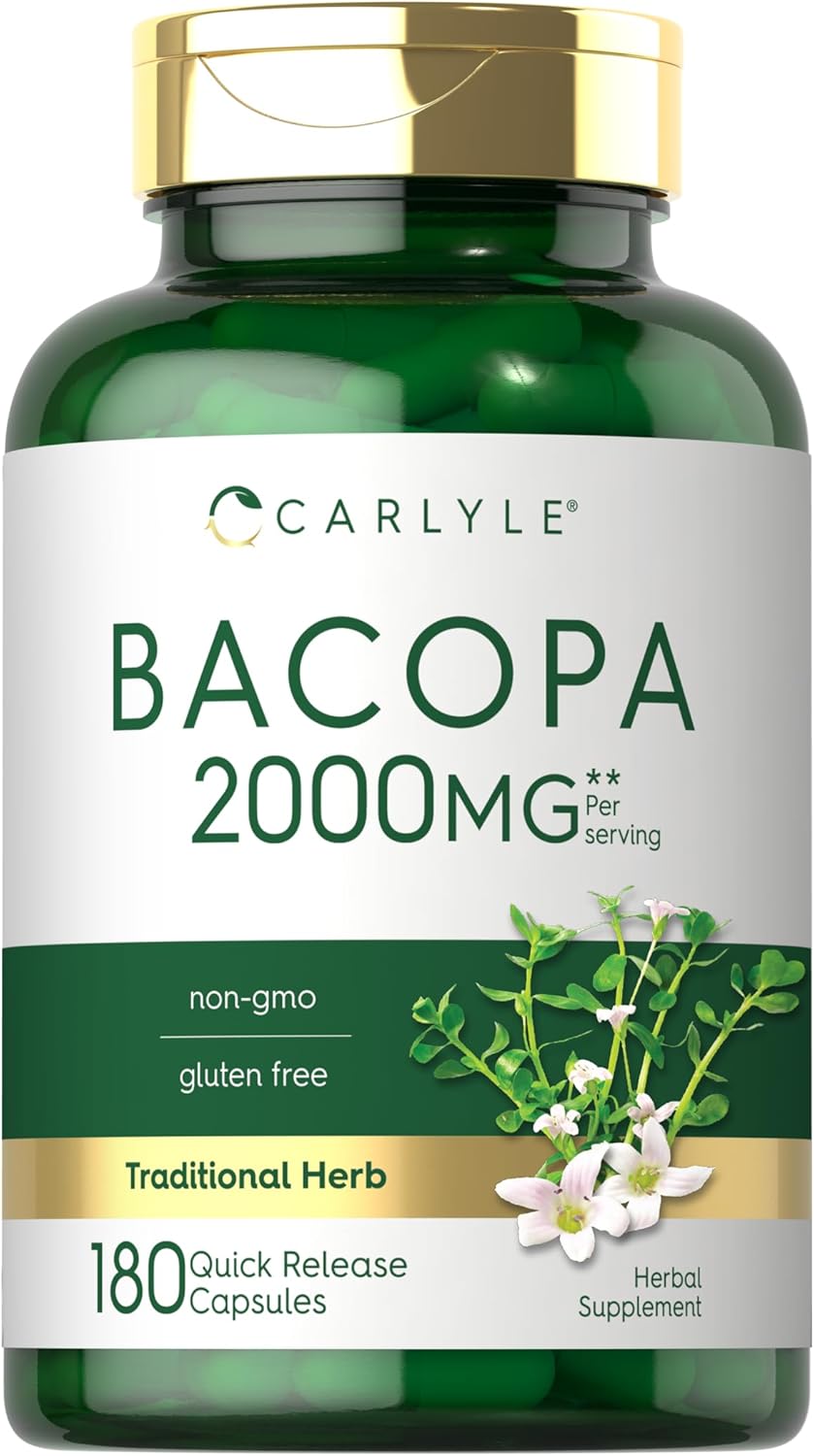
Carlyle Bacopa Monnieri Capsules | 180 Capsules | Gluten Free Supplement
$15.28 Buy Now