

This Test Will Determine If You Have Sensitive Skin
We may earn commission from links on this page. Each product featured has been vetted and chosen by our editors.
Sensitive skin is one of the most common skin complaints from users worldwide. In fact, did you know that sensitive skin affects 70 percent of all people of any age, gender, ethnicity, and skin tone, according to a study by Galderma Sensitive Skin Faculty? It’s true—the majority of people across the globe struggle with sensitive skin, but how do you really know if your skin is, in fact, classified as sensitive? And is there a way to test for sensitive skin?
Sensitive Skin: Diagnosing the Condition
For a long time, there was no real way to “test” for sensitive skin, and the symptoms and causes were so varied it was hard to pin down and diagnose sensitive skin. Ahead, everything you need to know about the groundbreaking technology allowing for sensitive skin clinical testing.

Sensitive Scale-10: Diagnosing Sensitive Skin
For a long while, it was thought that there was no way to clinically quantify or diagnose sensitive skin, but thanks to the researchers behind the Sensitive Scale-10 (also known as the Sensi Scale), we now know that sensitive skin can, in fact, be clinically defined as “the occurrence of abnormal stinging, burning, and tingling sensations (and sometimes as pain or pruritus) in response to multiple factors that may be physical (UV, heat, cold, wind), chemical (cosmetics, soaps, water, pollutants) and sometimes psychological (stress) or hormonal (menstrual cycle),” notes the Acta Derm Venereol investigative report on the scale.
So, how does the Sensi Scale clinically test for sensitive skin? Using either a 10 or 14 item survey, the Sensi Scale is able to diagnose sensitive skin in individuals based on an array of criteria like symptoms, triggers, duration, and severity. The Sensi Scale’s validity was determined through tests in 11 countries, in different languages, on 2,966 participants, and the internal consistency between the symptoms, triggers, and demographics that defined sensitive skin was high throughout.
What the Sensi Scale Has Taught Us About Sensitive Skin
With the Sensi Scale, the experts on Galderma’s Sensitive Skin Faculty are able to understand far more about what sensitive skin is and who it affects than ever before. In fact, recent GSSF research has found that “when grouped by skin type, individuals with darker skin tones declared highest perceived Sensitive Skin Syndrome SSS with 62 percent vs 44 percent for darkest vs lightest respectively.” Additionally, 40 percent of sensitive skin individuals do not demonstrate an “obvious cause,” temperature changes were listed as the primary trigger of sensitivity, itching was the most frequently experienced symptom, and—possibly the most jarring statistic—an increase of 55 percent are now self-declaring sensitive skin in just the last two decades.
With this knowledge, Galderma brands like Cetaphil are able to optimize their products directed at sensitive skin health, like Cetaphil’s latest launch, their Gentle Exfoliating Salicylic Acid line, which features a Gentle Exfoliating SA Cleanse ($10), Gentle Exfoliating SA Body Lotion ($16), Gentle Exfoliating SA Face Lotion ($11), and Exfoliating Rough and Bumpy Cream ($15). These new SKUs feature a unique, triple acid blend of salicylic acid, mandelic acid, and gluconolactone, informed by their Sensi Scale research and designed to gently and effectively exfoliate the skin while retaining moisture, preventing irritation, and sensitive skin flare-ups.
Conclusion
Sensitive skin is a widespread issue that affects millions of people worldwide. The development of the Sensitive Scale-10 has made it possible to clinically diagnose and understand sensitive skin better. With this newfound knowledge, experts can create products and treatments tailored to the specific needs of individuals with sensitive skin, providing relief and better skin health.
FAQs
What is sensitive skin?
Sensitive skin is a condition characterized by abnormal stinging, burning, and tingling sensations (and sometimes as pain or pruritus) in response to multiple factors that may be physical, chemical, or psychological.
How common is sensitive skin?
Sensitive skin affects 70 percent of all people of any age, gender, ethnicity, and skin tone.
Can sensitive skin be diagnosed?
Yes, the Sensitive Scale-10 (Sensi Scale) is a clinical test that uses a 10 or 14 item survey to diagnose sensitive skin in individuals based on an array of criteria like symptoms, triggers, duration, and severity.
What are the causes of sensitive skin?
Temperature changes, chemical exposure, and hormonal fluctuations are some of the common causes of sensitive skin.
Can sensitive skin be treated?
Yes, there are various treatments available to manage sensitive skin, including the use of gentle skincare products, avoiding harsh chemicals, and seeking professional advice from a dermatologist or skincare expert.
Recommended Products:
-

Anti Aging Total Beauty an All in one Nutritional Anti-ageing Supplement for Skin, Hair, Nails and Your Figure 90 Capsules
$67.00 Buy Now -

Eternal Spirit Beauty Hydrolyzed Collagen Peptides: Type 1 & 3 with Hyaluronic Acid, Biotin, Vitamins C & E
$26.99 Buy Now -
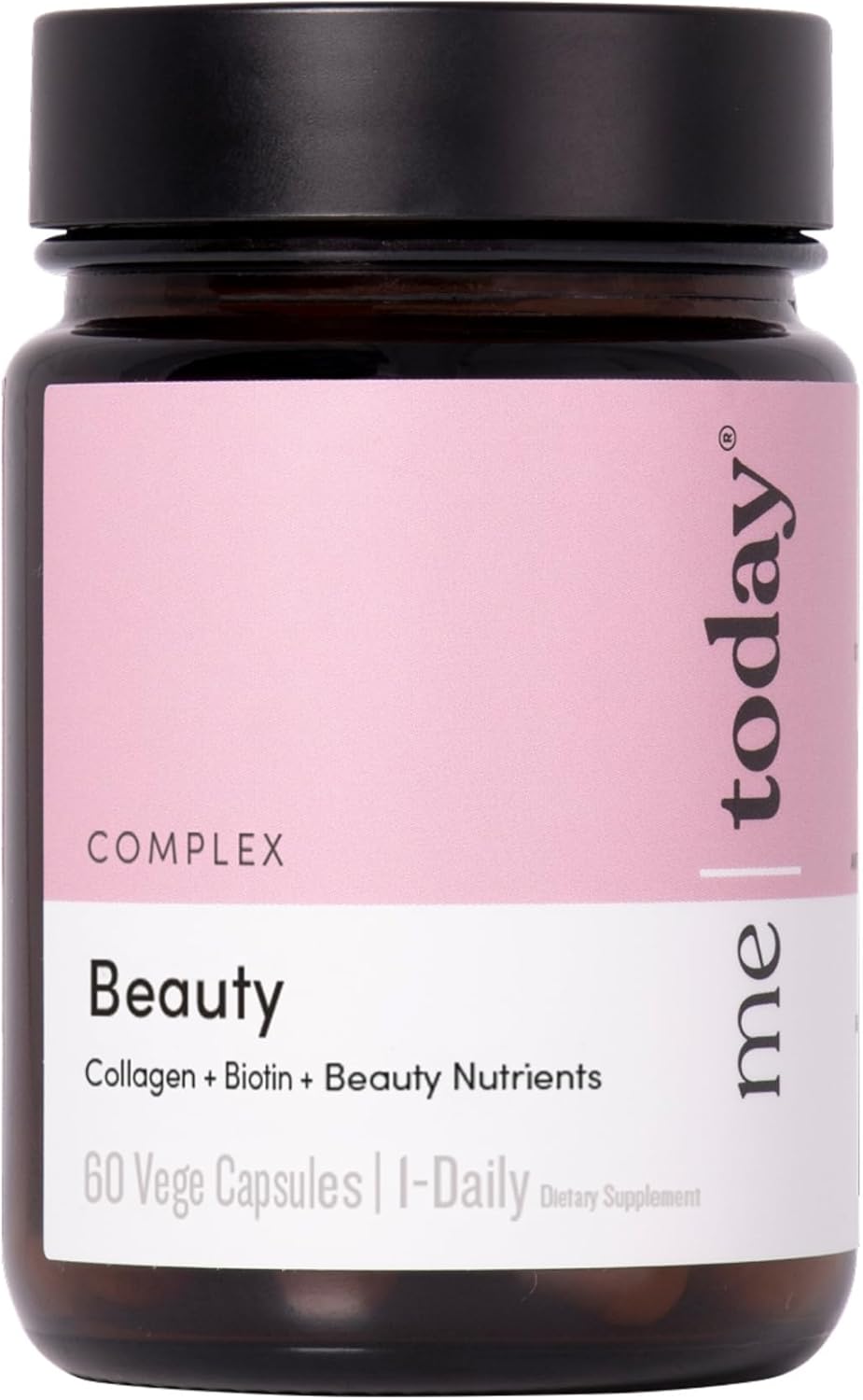
Beauty Supplement, for Hair, Skin and Nails, 60 Capsules, with Vitamin C, Collagen, Biotin and Zinc
$19.99 Buy Now