
Rewrite the
Weight-loss drugs such as Ozempic, Wegovy and Mounjaro work primarily by reducing hunger. They mimic a hormone the body already produces called glucagon-like peptide-1 (GLP-1), which helps regulate appetite and feelings of fullness.
By slowing how quickly food leaves the stomach and acting on appetite centres in the brain, the drugs help people feel full sooner and stay fuller for longer, often without the constant hunger that makes many diets difficult to maintain.

The appetite-suppressing effect of these drugs can be substantial. Studies suggest people taking GLP-1 medications reduce their energy intake by between 16% and 40%.
But when food intake drops, the body still needs essential vitamins, minerals and protein to keep cells, muscles and organs functioning properly. If those nutrients are not packed into a smaller amount of food, deficiencies can develop.
Higher food intake generally increases the likelihood of meeting vitamin and mineral needs. Eating a varied diet across the week usually helps cover nutritional gaps, even if some meals are low in nutrients. But when portions shrink, that safety net disappears. With less food on the plate, food choices need to be more deliberate.
This is not a new problem. Traditional calorie-restricted diets have always carried a risk of nutrient deficiencies. The difference is that most of those diets failed because people struggled to stick to them. Ironically, that lack of adherence sometimes limited the long-term nutritional risks. When people returned to eating more normally, deficiencies could be corrected.
GLP-1 drugs change that pattern. Research shows many people regain weight quickly if they stop taking them, which means these medications might be used long term. That raises a new concern. If nutrient deficiencies develop while someone is eating much less, and that pattern continues for months or years, those deficiencies may persist and lead to problems such as muscle loss, weakened immunity, anaemia, bone loss or impaired neurological function.
Because GLP-1 drugs have only recently become widely used for weight loss, long-term data on nutritional outcomes are still limited. It is also difficult for people to recognise deficiencies without blood tests, as symptoms such as fatigue, weakness or hair loss can be vague and easily overlooked.
Early warning signs are already appearing. One study of people taking GLP-1 drugs who had lost weight and were preparing for joint replacement surgery found higher rates of malnutrition and severe malnutrition. Blood tests showed lower levels of key proteins, suggesting inadequate overall nutrition.
Another study surveyed people using GLP-1 drugs about what they ate. Many reported diets low in fibre, calcium, iron, magnesium, potassium and several vitamins, including A, C, D and E. Intakes of fruit, vegetables, grains and dairy were also below recommended levels.
Because this study relied on self-reported dietary data from a relatively small group, the findings may be affected by inaccurate recall or under-reporting, and cannot be assumed to apply to everyone. Even so, the results highlight a pattern that warrants attention.
Stronger evidence comes from a large observational study of people prescribed GLP-1 drugs. Within six months, about 13% had been diagnosed with a nutritional deficiency. Within a year, that figure rose to more than 22%. These included vitamin and mineral deficiencies, iron-deficiency anaemia and protein deficiency.
Protein deficiency is particularly concerning because protein is essential for maintaining muscle mass, strength and physical function. Weight loss often involves losing muscle as well as fat, and this can occur with GLP-1 drugs. Too little protein accelerates muscle loss, which can affect balance, mobility and long-term metabolic health. Resistance exercise can help protect muscle, but without sufficient dietary protein, its benefits are limited.
Read more:
How eggs can help you come off Wegovy – cracking the problem of weight-regain
In rare but serious cases, eating too little while taking GLP-1 drugs has led to medical emergencies. One case report describes a patient taking tirzepatide who developed severe dehydration and ketoacidosis after persistent diarrhoea and very low food intake. Ketoacidosis occurs when the body is forced to burn large amounts of fat for energy, producing acidic compounds that can become life-threatening if they build up.
There have also been rare reports of people developing severe vitamin B1 deficiency after prolonged nausea and minimal eating on GLP-1 drugs. This condition, known as Wernicke encephalopathy, affects the brain and can cause confusion, coordination problems and lasting neurological damage if not treated promptly.
Nutrient-dense foods
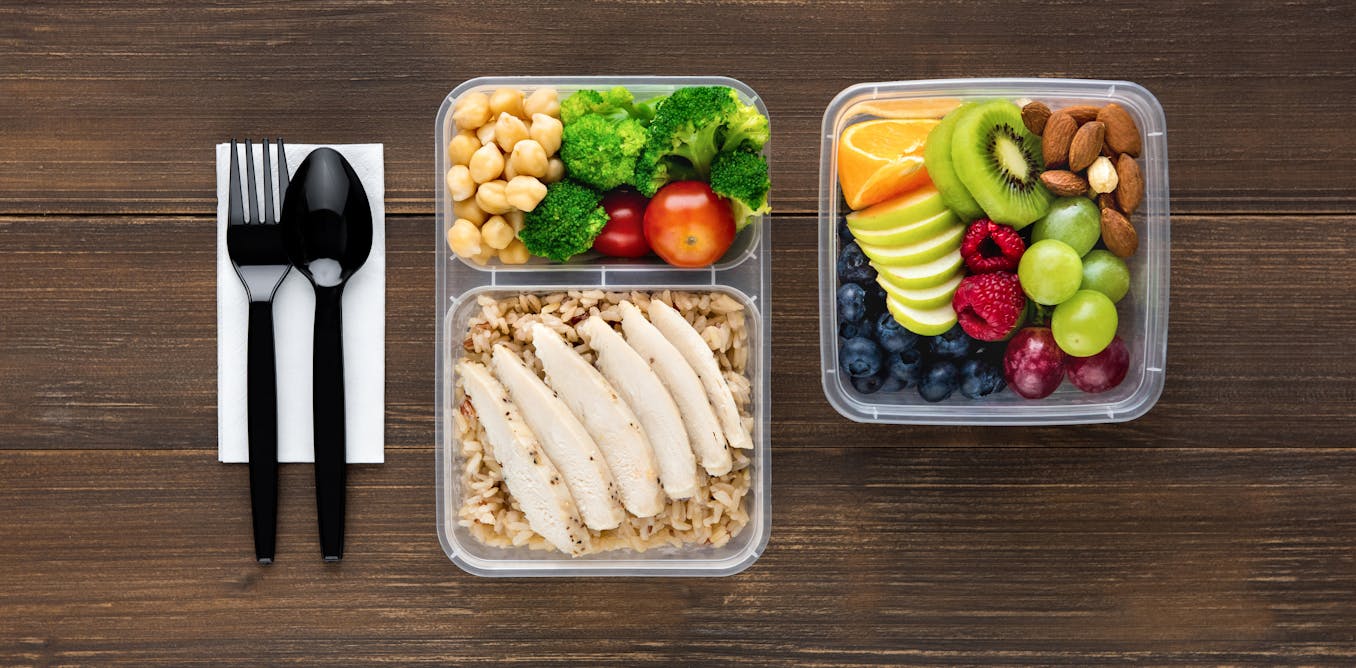
People using GLP-1 drugs need to prioritise nutrient-dense foods that deliver a high amount of vitamins, minerals, fibre and protein relative to their calorie content.
Yet a recent review found that many people taking GLP-1 drugs receive little or no meaningful nutrition advice. Without guidance, it can be difficult to meet your nutritional needs when appetite is dramatically reduced.
Many people with obesity already face a higher risk of nutrient deficiencies, including iron and vitamin B6. Chronic inflammation can interfere with how nutrients are absorbed and used by the body. Eating less while taking GLP-1 drugs may therefore worsen existing nutritional vulnerabilities.
This helps explain the growing interest in nutrient-dense ready meals marketed for people using GLP-1 drugs. These meals are typically high in fibre and designed to deliver more nutrition per calorie. In principle, this matches what people on appetite-suppressing medications need.
However, there is nothing magical about these products. The same nutritional goals can be achieved at home for less money. Adding seeds, nuts or nut butters to meals, using grains like quinoa, and stirring vegetables and lentils into sauces, soups and stews can all significantly boost nutrient intake. Keeping a small selection of nutrient-dense ingredients on hand and adding one or two to each meal can make a real difference.
That said, convenience matters. For people with limited time, cooking skills or nutrition knowledge – and who can afford them – prepared meals designed to be nutrient dense may be a helpful option.
GLP-1 drugs are powerful tools for weight loss. But they do not just change how much people eat. They change how carefully people need to think about what they eat. Until longer-term evidence is available, focusing on nutrient density, adequate protein and regular resistance exercise remains essential for anyone using these medications.
in HTML format to be seo optimized related to this title
Weight loss drugs make it harder to get the nutrients you need – here’s what to do about it
. Create appropriate headings and subheadings to organize the content. Ensure the rewritten content is approximately 1000 words. Ensure to strip all images from final output i dont need images.At the end of the content, include a “Conclusion” section and a well-formatted “FAQs” section.Ensure there are no additional notes and introductory text in the final output.Final output is gonna publish directly as post content so keep in mind provide only rewritten post content without any introductory text or notes in result and kindly dont explain what you done or what you provided as output of this prompt
Recommended Products:
-

NusaPure Glucomannan 20,000 mg per Serving 200 VCaps (20:1 Extract, BioPerine Non-GMO, Vegan) Konjac Root
$107.99 Buy Now -
Sale!

Conjugated Linoleic Acid CLA 1560mg – Extra Strength CLA Supplement Pills – Improve Body Composition & Lean Muscle Tone, Metabolism & Energy – Nature’s Safflower Capsules, Non-GMO – 60 Softgels
Original price was: $9.99.$9.22Current price is: $9.22. Buy Now -
Sale!

Now Foods 100% MCT Oil 32 Ounce
Original price was: $25.21.$23.00Current price is: $23.00. Buy Now