
:max_bytes(150000):strip_icc()/WHTYBW-Pineapple-sept-2024-5e2a2a12ed5b4434a17bd1d20cc43652.gif "What Happens to Your Body When You Eat Pineapple Regularly")
What Happens to Your Body When You Eat Pineapple Regularly
Tropical fruit can get a bad reputation due to being higher in sugar than other types of fruit. However, it turns out, there are many health benefits to consuming pineapple. From boosting your immune system to aiding digestion, we spoke to dietitians to find out what happens to your body when you eat pineapple regularly.
Is Pineapple Good For You?
Pineapple can be a refreshing and nutritious tropical addition to a balanced diet. Here are four health benefits of consuming pineapple.
You May Digest Protein Better
One of the lesser-known benefits of eating pineapple is its ability to aid in protein digestion, thanks to an enzyme called bromelain. Bromelain helps break down proteins into smaller peptides and amino acids, making it easier for your body to absorb these nutrients, especially from meat and other animal proteins, says Megan Huff, RD, LD, owner of Nutrition by Megan. Bromelain not only assists with digestion but also has anti-inflammatory and anticancer properties, adds Oklahoma City-based nutritionist Katie Drakeford, M.A., RD.

You May Boost Your Immune System
Pineapple is a powerhouse for the immune system as it delivers a potent source of vitamin C, offering an impressive 88% of the daily recommended intake in one cup, says Julie Lichtman RD, LDN, a nutritionist in Philadelphia, P.A. Vitamin C is a vital antioxidant that plays a crucial role in boosting your immune system by protecting cells from damage caused by free radicals, which can weaken the body’s defenses. In addition to vitamin C, pineapple is also a source of B vitamins, potassium, and magnesium, adds Linda Nikolakopoulos M.S., RD, LDN, CDCES, owner of Nutritious Measures.
You May Have Improved Blood Sugar
Pineapple is an excellent source of manganese, which may support healthy blood sugar levels in the context of a balanced diet. Manganese plays a role in the metabolism of carbohydrates and fats, which can help maintain stable blood sugar levels.
However, due to its natural sugar content, it’s important to pair pineapple with a protein or healthy fat, such as Greek yogurt or salmon, to help stabilize blood sugar, especially for those with diabetes or insulin sensitivity. This combination can provide a more balanced blood sugar response, preventing rapid rises and falls in glucose levels.
You May Decrease Inflammation
Pineapple is rich in antioxidants like flavonoids, vitamin C, bromelain, and beta-carotene, which may help combat inflammation in the body. These antioxidants work by neutralizing free radicals that can cause oxidative stress and inflammation. Unchecked, these may potentially lead to chronic diseases such as heart disease and cancer. Pineapple may help reduce the risk of developing these conditions by keeping inflammation in check, says Rachel Weiss, M.S., RD, CD, CNSC.
Pineapple Nutrition
One serving of pineapple, about a half-cup, contains the following:
- Calories: 41
- Carbohydrates: 11 g
- Dietary fiber: 1 g
- Total sugar: 8 g
- Added sugar: 0 g
- Protein: <1 g
- Total fat: 0 g
- Saturated fat: 0 g
- Cholesterol: 0 g
- Sodium: 1 mg
- Vitamin C: 40 mg
- Potassium: 90 mg
- Manganese: 1 mg
Pineapple is a low-calorie fruit that provides a variety of essential nutrients. A half-cup serving contains just 41 calories and 11 grams of carbohydrates. Pineapple is particularly high in vitamin C, providing nearly half your recommended daily intake per half-cup, making it a great choice for immune function and skin health. Because it’s also rich in water, it’s a delicious way to hydrate.
Is Pineapple Safe for Everyone to Eat?
While pineapple is generally considered safe to eat, there are some precautions to consider. The high acidity of pineapple can also irritate sensitive stomachs or worsen conditions like acid reflux and gastroesophageal reflux disease (GERD). Additionally, bromelain, an enzyme found in pineapple, may interact with certain medications, such as blood thinners, and could increase the risk of bleeding. For those with diabetes, fruit is a healthy addition to your diet. However, the natural sugars in pineapple can cause blood sugar spikes, especially if you’re not mindful of portion sizing and pairing it with a protein source.
Tips for Enjoying Pineapple
- Use the rind as a cup for a tropical take on a Pina Colada in a Pineapple.
- Consider adding it to a yogurt bowl or in a smoothie for breakfast, including it with a salad or grain bowl for lunch, or grilling pineapple with a teriyaki chicken for dinner, says Arlington, V.A.-based dietitian Jennifer Lefton, M.S., RD.
- Grill pineapple and pair it with salmon, chicken, or pork. Try it in this summery Sesame-Ginger Pork Patty with Grilled Pineapple.
- For dessert, try grilled pineapple rings with a scoop of vanilla ice cream.
- Whip up a chopped Pineapple Salsa with pineapple, tomatoes, cilantro, and lime for a refreshing garnish on top of chicken or salmon or straight up with a chip.
Conclusion
Incorporating pineapple into your diet can provide a host of health benefits, from boosting your immune system to aiding digestion. While pineapple is generally considered safe to eat, there are some precautions to consider, especially for those with sensitive stomachs or certain medical conditions. By pairing pineapple with a protein or healthy fat and enjoying it in moderation, you can reap the rewards of this tropical fruit.
FAQs
-
Eating pineapple every day can provide your body with a good dose of vitamins, minerals, and antioxidants, particularly vitamin C and manganese, which are essential for immune function and bone health.
-
Pineapple contains bromelain, an enzyme that aids digestion and may help reduce inflammation. It is also rich in antioxidants, which can help protect your cells from damage and support a healthy immune system. The fruit’s natural fiber content can also promote regular digestion.
-
Yes, it is generally safe to eat pineapple every day in moderate amounts. However, some people may experience mouth irritation or gastrointestinal discomfort due to its acidity and bromelain content. Those with allergies or certain medical conditions should consult a healthcare professional before consuming pineapple daily.
-
There is no perfect time to eat pineapple. Eat pineapple between meals as a refreshing snack. Or enjoy it after a meal to aid digestion. Eating pineapple in the morning can provide a natural energy boost and support hydration while consuming it later in the day can help satisfy sweet cravings with fewer calories.
Recommended Products:
-
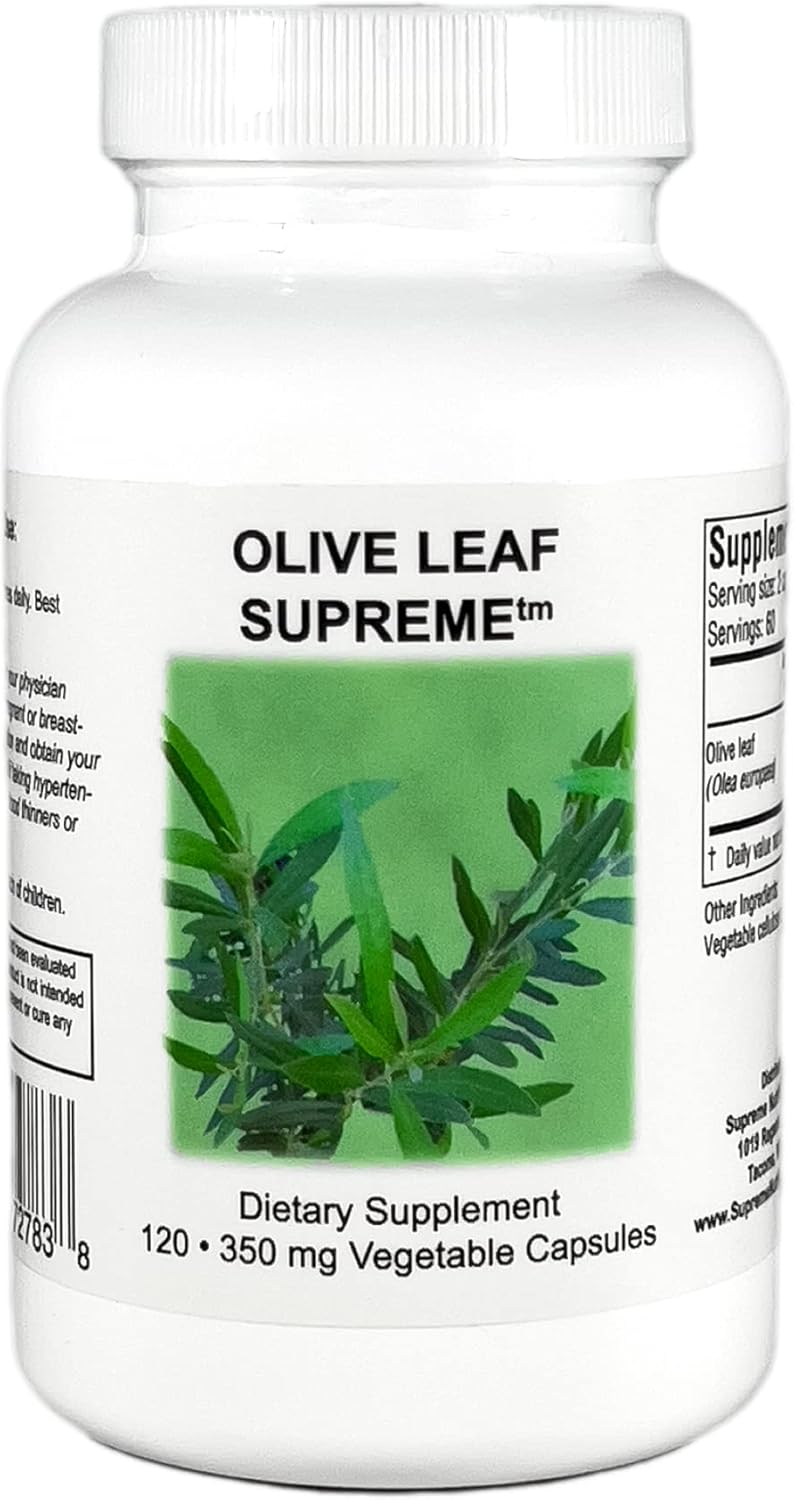
Supreme Nutrition Olive Leaf, 120 Pure Olive Leaf Vegetarian Capsules
$27.99 Buy Now -
Sale!

Garden of Life Raw Organic Perfect Food Energizer Juiced Green Superfood Powder – Yerba Mate Pomegranate, 30 Servings, Green Superfood Powder & Probiotics, Gluten Free Whole Food Greens Supplements
Original price was: $44.99.$34.94Current price is: $34.94. Buy Now -

Garlic Capsules 2500mg – Made with Organic Garlic Bulbs, California US Grown – Natural Immune Support Supplement 40 Day Supply
$15.99 Buy Now


:max_bytes(150000):strip_icc()/WHTYBW-Pineapple-sept-2024-5e2a2a12ed5b4434a17bd1d20cc43652.gif&description=What+Happens+to+Your+Body+When+You+Eat+Pineapple+Regularly)