
What Is a Normal Level?
A healthy blood oxygen level is between 75-100 mm Hg, or 95-100%. Low blood oxygen levels, known as hypoxemia, can be a cause for concern.
What Does Blood Oxygen Level Measure?
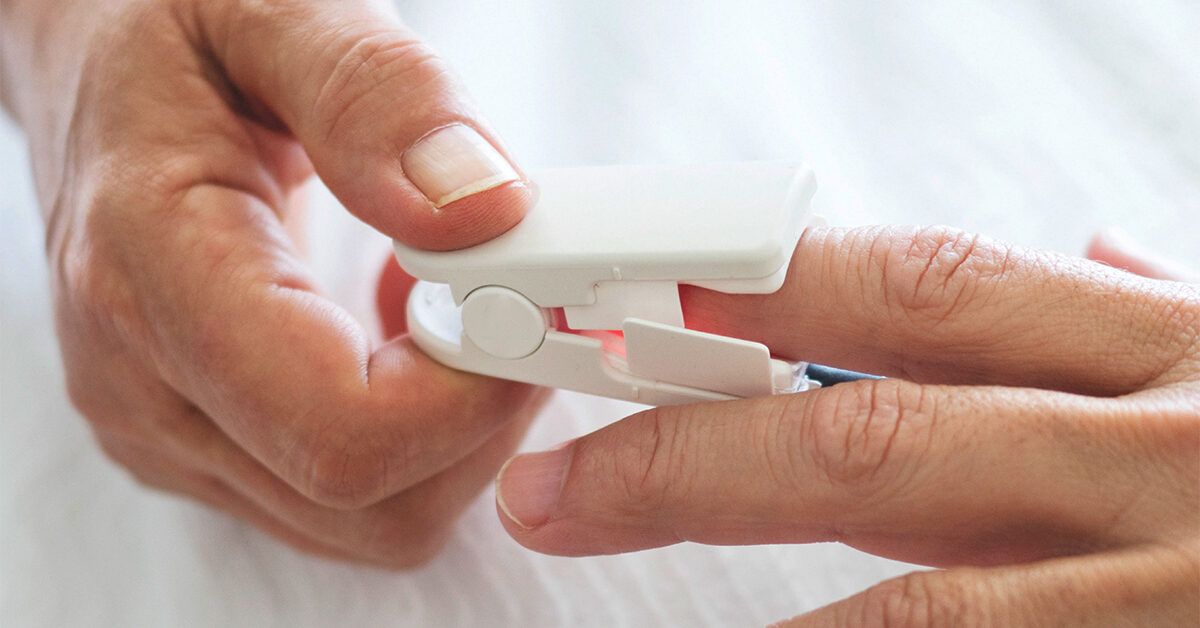
Your blood oxygen level is a measure of how much oxygen your red blood cells are carrying. It is typically measured using a pulse oximeter or an arterial blood gas (ABG) test.
What Are the Normal Ranges for Blood Oxygen Levels?
The normal range for blood oxygen levels can vary depending on the type of test used to measure them. A pulse oximeter reading indicates what percentage of your blood is saturated with oxygen, known as the SpO2 level. A typical, healthy reading is 95-100%. If your SpO2 level is less than 92%, a doctor may recommend you get an ABG.

An ABG measurement will determine the partial pressure of oxygen in your blood, known as PaO2. A normal ABG oxygen level for healthy lungs is between 75 and 100 millimeters of mercury (mm Hg).
What Are the Symptoms of Low Blood Oxygen Levels?
When your blood oxygen level goes below 95%, you’re at risk of hypoxemia. Hypoxemia is the medical term for low blood oxygen levels. This is often cause for concern, as it may lead to complications that affect the brain, kidneys, or heart.
You may experience symptoms such as:
- Shortness of breath
- Chest pain
- Coughing or wheezing
- Confusion
- Headache
- Rapid heartbeat
- A blue discoloration of your nail beds, skin, and mucus membranes
What Are the Causes of Low Blood Oxygen Levels?
Certain health conditions may cause hypoxemia by affecting your lung function. Some of these include:
Blood disorders and problems with your circulatory system may also prevent your blood from picking up oxygen and transporting it throughout your body.
The ways in which these conditions and disorders lower your blood oxygen levels can be classified in five different ways:
What Can You Do to Increase Your Blood Oxygen Levels?
There are several ways to increase your blood oxygen levels at home naturally. Options include:
Smoking, which causes carbon monoxide to build up in your blood, can also lower your blood oxygen levels. Quitting smoking can help improve your blood oxygen levels.
A healthy diet and regular exercise can also help improve your blood oxygen levels.
What is 92% a Good Oxygen Level?
In most people, a healthy blood oxygen level is 95-100%. Anything below 95% is considered low and may put you at risk of hypoxemia.
However, people with certain conditions, such as COPD, may need to maintain their blood oxygen at a different level. It’s important to speak with a doctor to determine the ideal or realistic level for you.
Conclusion
Maintaining a blood oxygen level of 75-100 mm Hg or 95-100% is vital for a healthy heart, brain, and kidneys. If you have a health condition that may cause low oxygen states, measuring your levels with pulse oximetry is noninvasive and quick. It’s important to speak with a doctor to determine the ideal or realistic level for you and to discuss any concerns or symptoms you may have.
FAQs
What is a normal blood oxygen level?
A normal blood oxygen level is between 75-100 mm Hg or 95-100%.
What happens if my blood oxygen level is low?
If your blood oxygen level is low, you may experience symptoms such as shortness of breath, chest pain, and confusion. It’s important to seek medical attention if you experience any of these symptoms.
Can I increase my blood oxygen levels at home?
Yes, there are several ways to increase your blood oxygen levels at home naturally. Options include quitting smoking, eating a healthy diet, and exercising regularly.
Do I need to monitor my blood oxygen levels regularly?
Most people don’t need to monitor their blood oxygen levels regularly. However, if you have a health condition that may cause low oxygen states, measuring your levels with pulse oximetry is noninvasive and quick.
What should I do if I have a blood oxygen level below 95%?
If you have a blood oxygen level below 95%, you should seek medical attention. A doctor may recommend an ABG test to determine the partial pressure of oxygen in your blood and to rule out any underlying conditions that may be causing the low oxygen level.
Can I use a pulse oximeter at home?
Yes, you can use a pulse oximeter at home. However, it’s important to speak with a doctor before using one and to follow their instructions on how to use it.
Is a blood oxygen level of 94 OK?
A blood oxygen level of 94 is below the normal range of 95-100%. However, a pulse oximeter may have a 2-3% margin of error. If you’re concerned about your blood oxygen level, an ABG test may provide a more accurate measurement.
Recommended Products:
-
Sale!

Solgar Magnesium Citrate, 120 Tablets – Promotes Healthy Bones – Supports Nerve & Muscle Function – Non GMO, Vegan, Gluten Free, Dairy Free, Kosher – 60 Servings
Original price was: $19.59.$14.42Current price is: $14.42. Buy Now -

Metamucil 4-in-1 Fiber Supplement for Digestive Health, Psyllium Husk Fiber Powder, Fiber Supplement with Real Sugar, Orange Flavored, 114 tablespoons
$23.98 Buy Now -
Sale!

Nature Made Advanced Multivitamin Gummies for Her with Magnesium Citrate, Calcium & All 8 B Vitamins, Multivitamin for Women, 90 Gummies, 30 Day Supply
Original price was: $19.99.$9.74Current price is: $9.74. Buy Now