What Is Ovulation? Cycle Timeline, Pain, and Other Symptoms
Understanding Ovulation
Ovulation is the term for when a mature egg is released from the ovary. It’s part of the menstrual cycle and plays a major role in pregnancy.

Ovulation in the Menstrual Cycle
Ovulation is a part of your menstrual cycle. It occurs when an egg is released from your ovary. The menstrual cycle resets the day that your menstrual flow begins. This is the start of the follicular phase, where the egg matures and is later released during ovulation.
Follicular Phase
During the follicular phase, your body will release follicle-stimulating hormone (FSH) that helps the egg inside your ovary mature and prepare for release.
Luteal Phase
After ovulation comes the luteal phase. If pregnancy occurs during this phase, hormones will keep the lining from shedding. Otherwise, bleeding will start around day 28 of the cycle, beginning the next cycle.
Ovulation Symptoms
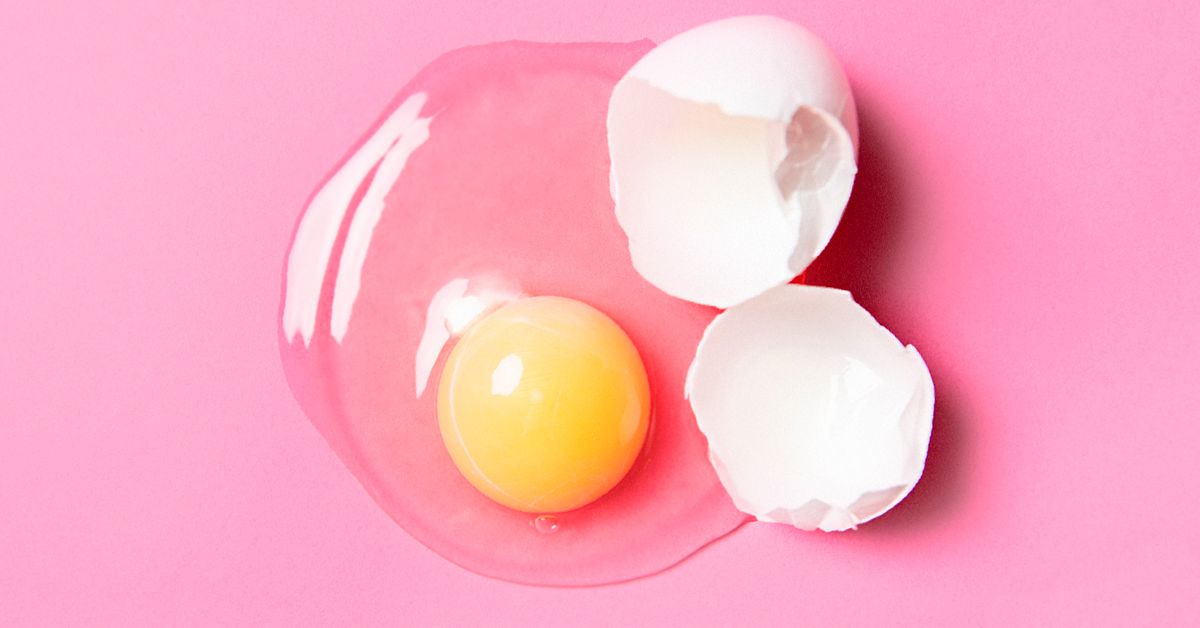
Impending ovulation can cause more vaginal discharge. This discharge is often clear and stretchy. Sometimes it may resemble raw egg whites. After ovulation, your discharge may decrease in volume and appear thicker or cloudier.
Ovulation may also cause:
- Light bleeding or spotting
- Breast tenderness
- Increased sexual drive
- Ovary pain, characterized by discomfort or pain on one side of the abdomen
Pain During Ovulation
It’s fairly common to experience pain during ovulation. Up to 40 percent of people who ovulate feel some discomfort around the midpoint of their menstrual cycle. This condition is also known as mittelschmerz, which means "middle pain" in German.
The pain usually occurs each month. You’ll feel it on either the left or right side of the lower abdomen, depending on which ovary is releasing an egg that month.
Tracking Ovulation
There are several ways to figure out when ovulation happens:
- Menstrual cycle: Ovulation typically happens around day 14 of a 28-day menstrual cycle, counting from the first day of your period. But normal cycles can be as short as 21 days in adults, or as long as 35 days.
- Body temperature: Your temperature rises slightly for a few days after ovulation takes place, by about 0.5 to 1.3°F (0.3 to 0.7°C). You may be able to detect the change by taking your temperature every morning.
- Vaginal discharge: There’s likely more of it around the time of ovulation. It’s usually more clear and more slippery.
- Using at-home trackers: Over-the-counter (OTC) options include ovulation predictor kits and fertility monitors.
Using At-Home Trackers
While the most accurate way to confirm ovulation is with an ultrasound or hormonal blood tests ordered by your doctor, you have options when it comes to tracking ovulation at home.
- Ovulation predictor kits (OPKs): These are generally available OTC at your corner drugstore. They detect the presence of LH in your urine, which usually means you will ovulate soon.
- Fertility monitors: These are also available OTC. They track two hormones — estrogen and LH — to help identify your fertile window. Fertility monitors can be pricier than options that track LH only.
Preventing Pregnancy
If you want to prevent pregnancy, it’s important to use birth control. This is especially important during your fertile window.
- Although barrier methods like condoms are better than no protection at all, you may have greater peace of mind when using a more effective method. Options with very high efficacy include the contraceptive implant and IUDs. Birth control pills are also more effective than barrier methods.
Conclusion
Ovulation is a natural part of the menstrual cycle, and understanding it can help you achieve or prevent pregnancy. By tracking your cycle and using at-home trackers, you can increase your chances of getting pregnant or avoid it altogether.
FAQs
Q: Can you ovulate more than once in a given cycle?
A: Maybe, but it’s not clear whether this would have any additional effect on fertility. One study suggested that some people have the potential to ovulate two or three times in a given menstrual cycle. But other researchers disagreed with the conclusions, emphasizing that only one fertile ovulation happens per cycle.
Q: Is ovulation the only time you can become pregnant?
A: No. While the egg can only be fertilized in the 12 to 24 hours after it’s released, sperm can live in the reproductive tract under ideal conditions for about 5 days. So, if you have sex in the days leading up to ovulation or on the day of ovulation itself, you may become pregnant.
Q: What are the symptoms of ovulation?
A: Impending ovulation can cause more vaginal discharge, light bleeding or spotting, breast tenderness, increased sexual drive, and ovary pain.
Q: How can I track my ovulation?
A: There are several ways to figure out when ovulation happens, including tracking your menstrual cycle, body temperature, vaginal discharge, and using at-home trackers like ovulation predictor kits and fertility monitors.
Recommended Products:
-
Sale!

Turmeric Curcumin with BioPerine 95% Standardized Curcuminoids 1950mg – Black Pepper Extract for Max Absorption, Nature’s Joint Support Supplement, Herbal Turmeric Pills, Vegan Non-GMO – 120 Capsules
Original price was: $18.52.$16.82Current price is: $16.82. Buy Now -

TUDCA Bile Salts Liver Support Supplement, 500mg Servings, Liver and Gallbladder Cleanse Supplement (60 Capsules, 250mg) Genuine Bile Acid TUDCA with Strong Bitter Taste by Double Wood
$27.95 Buy Now -

Nature’s Bounty 1000mg Berberine Herbal Health Capsules Support Heart and Cardiovascular Health, Help Maintain Healthy Cholesterol, Triglyceride, and Blood Sugar Levels, 60 Capsules
$26.99 Buy Now