

What’s the difference between shyness and social anxiety?
What’s the Difference?
"What’s the difference?" is a new editorial product that explains the similarities and differences between commonly confused health and medical terms, and why they matter.

Similarities and Differences
Shyness and social anxiety are often used interchangeably, as they both involve feeling uncomfortable in social situations. However, feeling shy or having a shy personality is not the same as experiencing social anxiety (short for "social anxiety disorder").
How Are They Similar?
It can be normal to feel nervous or even stressed in new social situations or when interacting with new people. Everyone differs in how comfortable they feel when interacting with others. For people who are shy or socially anxious, social situations can be very uncomfortable, stressful or even threatening. There can be a strong desire to avoid these situations.
How Are They Different?
Social anxiety is a diagnosable mental health condition and is an example of an anxiety disorder. For people who struggle with social anxiety, social situations – including social interactions, being observed and performing in front of others – trigger intense fear or anxiety about being judged, criticised or rejected.
The Distinction Matters
Social anxiety disorder is a mental health condition that persists for people who do not receive adequate support or treatment. Without treatment, it can lead to difficulties in education and at work, and in developing meaningful relationships. Receiving a diagnosis can be validating for some people, and it can also be an important first step in accessing appropriate, evidence-based treatment.
Treatment Options
Clinical practice guidelines recommend cognitive-behavioral therapy (a kind of psychological therapy that teaches people practical coping skills). This is often used with exposure therapy (a kind of psychological therapy that helps people face their fears by breaking them down into a series of step-by-step activities). This combination is effective in-person, online and in brief treatments.
Conclusion
Social anxiety is a real and treatable mental health condition. By understanding the differences between shyness and social anxiety, we can better support people who are struggling with social anxiety disorder. With the right treatment and support, people can learn to manage their social anxiety and live fulfilling lives.
Frequently Asked Questions
Q: What is social anxiety disorder?
A: Social anxiety disorder is a mental health condition characterised by intense fear or anxiety about being judged, criticised or rejected in social situations.
Q: Is shyness the same as social anxiety?
A: No, feeling shy or having a shy personality is not the same as experiencing social anxiety disorder. Social anxiety is a diagnosable mental health condition that requires treatment.
Q: How is social anxiety treated?
A: Cognitive-behavioral therapy (CBT) and exposure therapy are common treatment options for social anxiety disorder. These therapies help people learn practical coping skills and gradually face their fears.
Q: Can I self-diagnose with social anxiety disorder?
A: No, it’s essential to consult a mental health professional for an accurate diagnosis and treatment plan.
Recommended Products:
-
Sale!

Probiotics for Mental Clarity by Ancient Nutrition, Once Daily Probiotics 30Ct, Helps Promote Mental Clarity and Concentration, Supports Healthy Energy and More Restful Sleep, 25 Billion CFUs
Original price was: $29.95.$23.50Current price is: $23.50. Buy Now -
Sale!
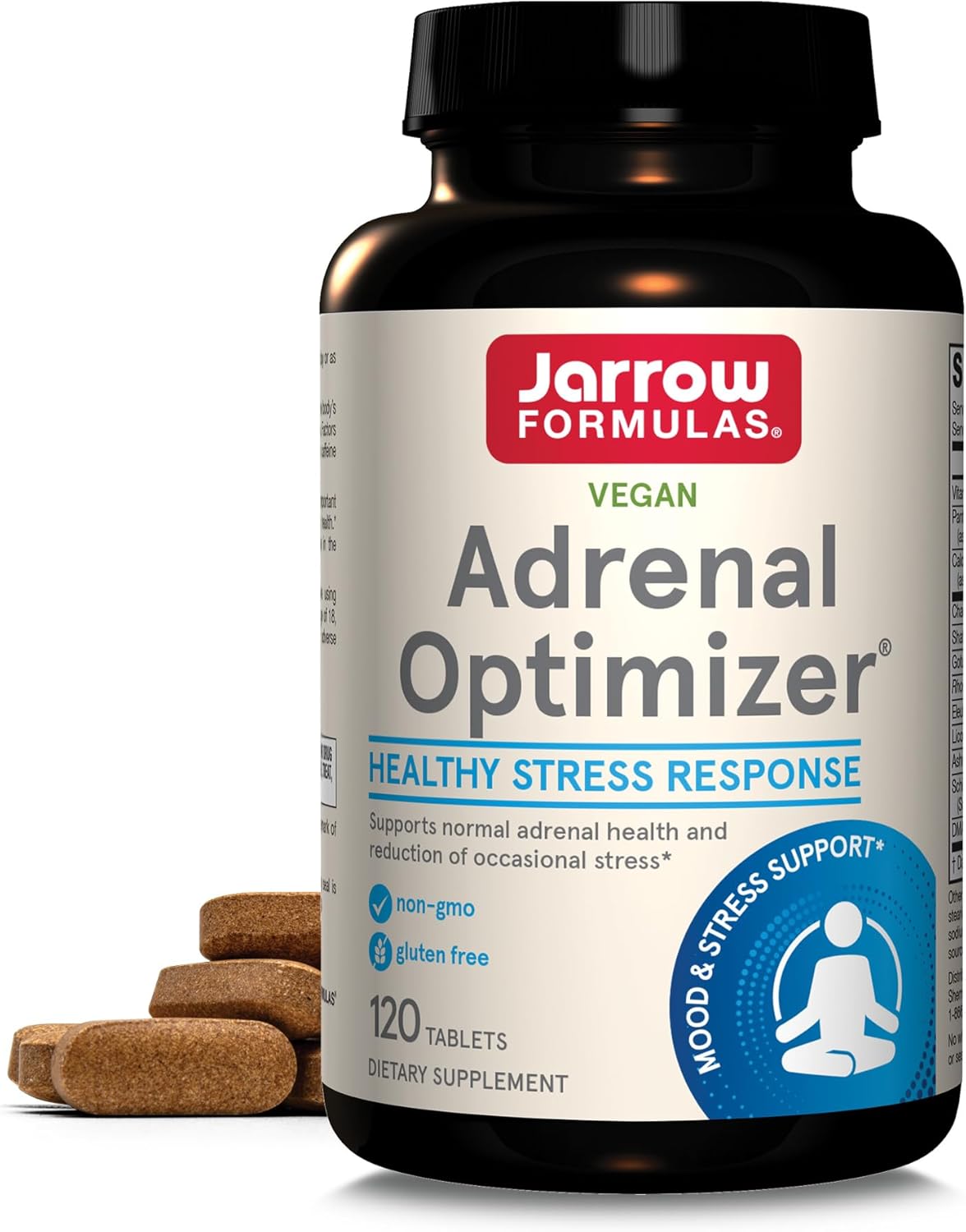
Jarrow Formulas Adrenal Optimizer with Ashwagandha, Chamomile and Schizandra Extract, Supports Reduction of Occasional Stress, 120 Vegan Tablets, 60 Day Supply
Original price was: $32.49.$20.44Current price is: $20.44. Buy Now -
Sale!
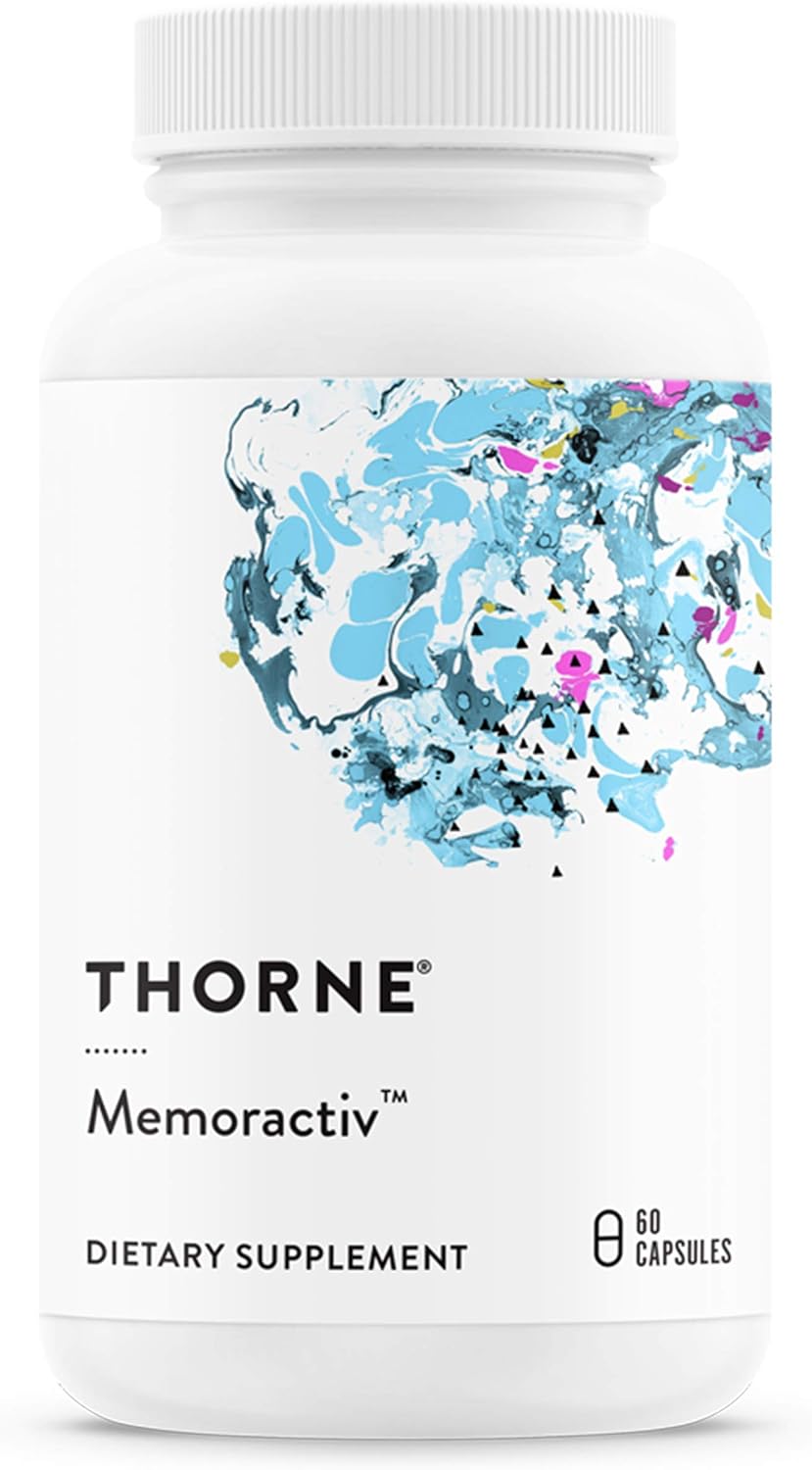
THORNE Memoractiv – Nootropic Brain Supplement for Focus, Creativity, and Concentration – Ashwagandha, Ginkgo, Lutemax, Bacopa, Pterostilbene – Gluten-Free, Dairy-Free – 60 Capsules – 30 Servings
Original price was: $66.00.$58.99Current price is: $58.99. Buy Now