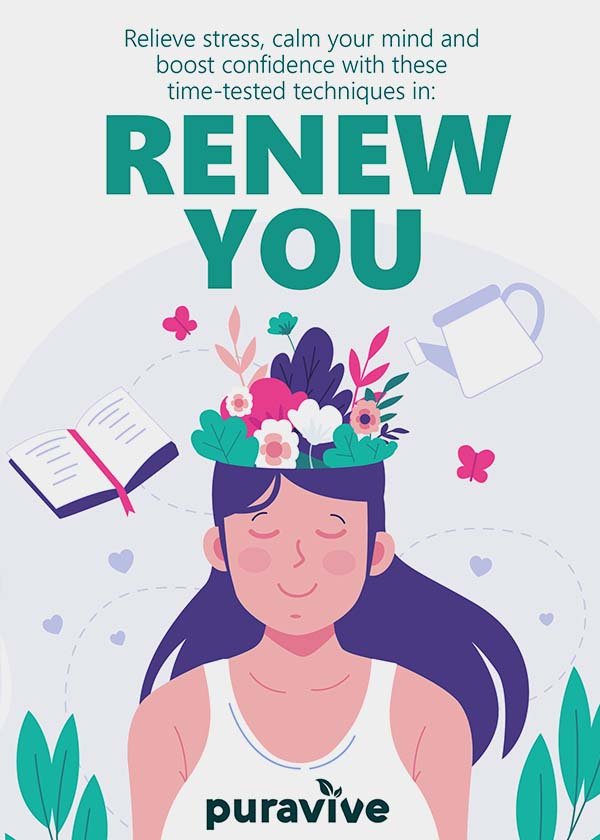

Where to Start: Mental Health in a Changing World
Mental Health Awareness Month
May is Mental Health Awareness Month, and there’s no better way to start it off than taking the first step in seeking help or assisting those who would like to start counseling. Doing so raises awareness and helps break down negative, long-held beliefs — many of them untrue — about what it means to attend therapy, whether as an individual, couple, or family.
For those new to the process, and understandably ambivalent, let’s discuss how you can play a key role in changing societal attitudes toward mental health — even before you even sit in a therapist’s office — and what contributes both positively and negatively to our mental state, and how to go about finding a counselor suited to your needs.
Create Awareness
Fortunately or unfortunately — depending on how you look at it — we are always connected, digitally at least. Our smartphones ensure we are only a couple clicks away from responding to a bombardment of text messages, staying up-to-date on current events, responding to work emails, or coordinating your kids’ carpool schedule. And work pressures remain one of the top stressors in our lives. A Gallup poll showed that U.S. workers report feeling the highest levels of stress, with 57% of respondents stating they feel stressed on a daily basis, even though almost half feel there is a stigma around talking about mental health in the workplace.

While we surely have more convenient lives in many respects, in other ways, life stressors have become more omnipresent, with the separation between work and home life increasingly muddied. We may think this is just how life is — going through the motions, checking things off the to-do list — but if the last decade of heavy smartphone use has taught us anything, it’s that the hyper-connected world we live in is not necessarily better for our mental health. In fact, some studies have found a positive correlation between increased digitization and symptoms of anxiety and depression.
That flies in the face of the myth that you should have experienced a particularly tragic event to need therapy. To the contrary, many who find they are experiencing symptoms of depression or anxiety are dealing with a more insidious form of such conditions, ones which are the product of a variety of external factors we often deem positive — working long hours, access to innovative technology, and overabundance of material goods. While all these have positive aspects to them, they sometimes prevent us from being present and checking in with ourselves emotionally.
Behavior and Attitude
Lots of progress has been made in de-stigmatizing mental illness and therapy, but more work remains. Current attitudes often vary greatly depending on gender, age, cultural background, religion, socioeconomic status, and upbringing. For instance, data from the American Psychological Association shows the greatest increases in unmet need for mental health services were among Latino and Asian populations, as well as those identifying with two or more races. And women also tend to seek mental health services at higher rates than men.
Never before have U.S. companies been so generous with offering employees mental health days — rather than just sick days — as well as added benefits, such as subscriptions to meditation apps and mindfulness coaching. The more therapy and mental health conditions are discussed openly and honestly, the less alone people will feel seeking therapy. And we intuitively understand that the less lonely individuals feel about the struggles they’re enduring, the less likely they are to suppress it.
Be an Advocate
You don’t have to be a mental health professional or have a large social media following to be an advocate for therapy and mental health. Anyone can make a commitment to check in more with loved ones.
Four ways to check-in:
* Ask to meet up or schedule a time to call
* Express gratitude for your relationship/friendship
* Send a message that lets them know you’re thinking of them
* Follow up about something they’ve previously discussed with you
Remember, small interactions like this play an outsize role in de-stigmatizing mental health conditions, including depression or anxiety. And showing support for counseling and professional help also goes a long way. After all, nine out of ten people have said that stigma and discrimination have impacted their lives when it comes to mental health.
Make sure your loved ones know where to find therapists that can respond to their needs and know that getting help is the first step toward a more fulfilling life.
Conclusion
Mental health awareness is crucial in today’s fast-paced, high-stress world. By understanding the importance of therapy and mental health, we can work together to break down stigmas and promote a culture of openness and support. Remember, seeking help is a sign of strength, not weakness. Take the first step today and start your journey toward a healthier, happier you.
FAQs
Q: What are some common myths about therapy?
A: One common myth is that you need to have experienced a particularly tragic event to need therapy. In reality, many people seek therapy to address everyday stressors and life challenges.
Q: How can I find a therapist who’s right for me?
A: You can use online directories like GoodTherapy to filter your search for criteria that are important to you, such as insurance options, location, and areas of specialty.
Q: What are some ways to support loved ones who are struggling with mental health?
A: You can show support by simply checking in with them, expressing gratitude for your relationship, and following up about something they’ve previously discussed with you.
Q: What are some common signs of mental health conditions like depression and anxiety?
A: Common signs of depression and anxiety include changes in mood, sleep patterns, appetite, and energy levels. If you’re experiencing these symptoms, it’s important to reach out to a mental health professional for support.
Q: Why is it important to prioritize mental health?
A: Prioritizing mental health is important because it can have a significant impact on overall well-being and quality of life. By taking care of our mental health, we can reduce stress, improve relationships, and increase overall happiness.
Recommended Products:
-
Sale!

ONNIT Alpha Brain Black Label Capsule (80ct) Premium Citicoline Brain Supplement – Focus, Concentration & Memory – Lion’s Mane, Hericium Erinaceus, L Theanine & Mucuna Pruriens
Original price was: $124.95.$87.46Current price is: $87.46. Buy Now -

Omega-3 Supplement by PYM for Mood and Emotional Support (60 Count) | Omega-3 Fatty Acids, DHA, EPA & Vitamin E | Non-GMO, Gluten-Free, No Added Sugar
$29.99 Buy Now -
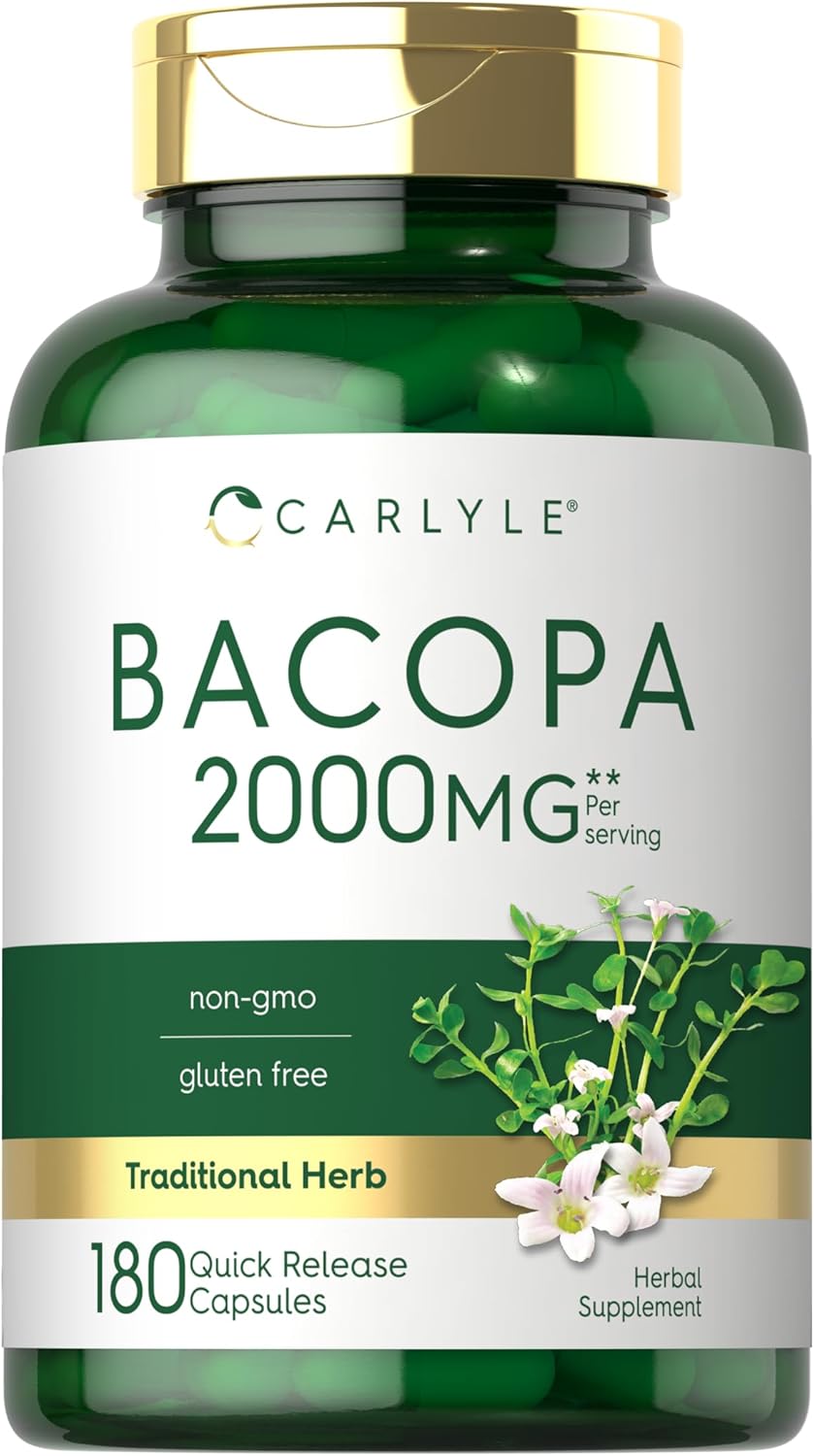
Carlyle Bacopa Monnieri Capsules | 180 Capsules | Gluten Free Supplement
$15.28 Buy Now