
:max_bytes(150000):strip_icc()/Why-Soups-Taste-Better-at-Restaurants-14bfba2f3d954f8db1e5a0c60a173c18.jpg "Why Soups Taste Better at Restaurants, According to a Chef")
Why Soups Taste Better at Restaurants, According to a Chef
Start with Homemade Stock
Good stock is the backbone of all good cooking, and that’s especially true for soup. Why? And why won’t good, old-fashioned water do just fine? Think about the difference between water and stock. Water is—well, just water. Stock—when done right—is water that’s been infused with aromatic vegetables, herbs, and spices, plus loads of collagen and umami from animal bones, if you choose to use them.

Now, think about building a good, strong house. Will your house weather more storms built on a pile of loose sand or on concrete, which is sand mixed with cement, stone, and water? In this analogy, water is to sand as stock is to concrete. Taking the time to make your own hearty stock will lay the foundation of flavor for your soup to stand tall upon.
Layer the Flavors
Ever wonder how a good restaurant manages to get so many flavors packed into such a seemingly simple liquid in such a tiny bowl? That’s what we call "depth of flavor" in the restaurant world. There’s no shortcut to creating a flavor depth. It happens over time, gradually, like a snowball becoming an avalanche. Think of depth of flavor like an orchestra: just as you need a range of pitches from high to low to create sonic harmony, you need high and low notes in your cooking, too.
Each step in making soup is an opportunity to add flavor. Sweating aromatics—like garlic, shallots, and ginger—and caramelizing harissa paste will create the base flavors of a good curry. Building on that, a rich chicken or mushroom stock, combined with fish sauce, adds the deep, low pitch of umami. Coconut milk, cilantro, chiles, and lime balance that rich depth with bright, herbaceous, and acidic notes.
If you can find a balance between the five elemental flavors—sweet, salty, sour, bitter, and savory—you can make a good soup.
Invest in a Vitamix
Think about the best bisque, chowder, or tomato soup you’ve ever had. Was it smooth or pithy? Smooth, of course. Silky, even. But how? It’s not magic, it’s a blender. There’s no half-steppin’ when it comes to restaurant-grade kitchen equipment, and there’s only one blender to rule them all: Vitamix. Time and time again, competitors of the Vitamix brand arise and are thwarted just as quickly as they came. Nothing holds up to the Vitamix’s ability to transform the chunkiest, toughest, most fibrous ingredients into a silken puree.
I’ve never worked in a restaurant that doesn’t have a Vitamix. I’ve staged or interviewed in one or two that lacked one, and I didn’t go back. Without one, you’ll never get your soup silky-smooth. If you can, definitely get your hands on a pitcher Vitamix blender. They’re not cheap, but trust me: it’s worth it. If you need to puree large pots of soup, it might be worthwhile to also invest in an immersion blender, so you can blend the hot liquid directly in the pot.
Contrast Your Textures
What’s a life without ups and downs? What’s lemonade without lemons and sugar? What’s soup without a little smooth and a little rough? The texture of a dish changes the way you perceive it. Generally speaking, it’s more satisfying to eat a dish that has a range of textures than a homogeneous one. Soup is no different, and any good restaurant is no stranger to this. After all, why do you think a piece of griddled bread floats atop any good bowl of French onion soup?
You, too, can do this at home. Try adding toasted breadcrumbs and some fresh basil to a bowl of tomato soup. Sprinkle some air-fried shallots and garlic atop a spicy-sweet panang curry. Throw some roasted pepitas over your silky-smooth pumpkin soup this fall.
Bottom Line
You don’t need to be a professional chef to make restaurant-quality soups at home; you just need to employ some time-honored restaurant techniques. The next time you find yourself wanting a bowl of soup that evokes a restaurant experience, be sure to start with homemade stock, add various flavorful ingredients, and don’t overlook texture. For the smoothest soup, use a Vitamix. For contrast, add toppings with different textures. With these tips, you’ll be making soup like a pro in no time.
FAQs
Q: What’s the secret to making soups that taste like they were made in a restaurant?
A: It’s all about the foundation of flavor, which starts with homemade stock. From there, it’s about layering the flavors and using the right equipment to get the texture just right.
Q: Why is it so important to use a Vitamix?
A: A Vitamix is the best blender on the market, and it’s essential for making smooth, silky soups. It’s an investment worth making if you’re serious about cooking.
Q: How do I add texture to my soups?
A: You can add texture to your soups by using different toppings, such as toasted breadcrumbs, roasted pepitas, or air-fried shallots. You can also try adding different ingredients, like cooked pasta or rice, to add depth and variety.
Recommended Products:
-
Sale!

Sports Research Turmeric Curcumin C3 Complex – Softgels with Bioperine Black Pepper Extract & Organic Coconut Oil, Standardized 95% Curcuminoids – Non-GMO Verified & Gluten Free – 500mg, 120 Count
Original price was: $36.99.$20.81Current price is: $20.81. Buy Now -
Sale!
![NatureWise Curcumin Turmeric 2250mg | 95% Curcuminoids & BioPerine Black Pepper Extract | Advanced Absorption for Joint Support [2 Month Supply – 180 Count]](https://m.media-amazon.com/images/I/71XnDzE-b0L._AC_SL1500_.jpg "NatureWise Curcumin Turmeric 2250mg | 95% Curcuminoids & BioPerine Black Pepper Extract | Advanced Absorption for Joint Support [2 Month Supply – 180 Count]")
NatureWise Curcumin Turmeric 2250mg | 95% Curcuminoids & BioPerine Black Pepper Extract | Advanced Absorption for Joint Support [2 Month Supply – 180 Count]
Original price was: $23.99.$21.49Current price is: $21.49. Buy Now -
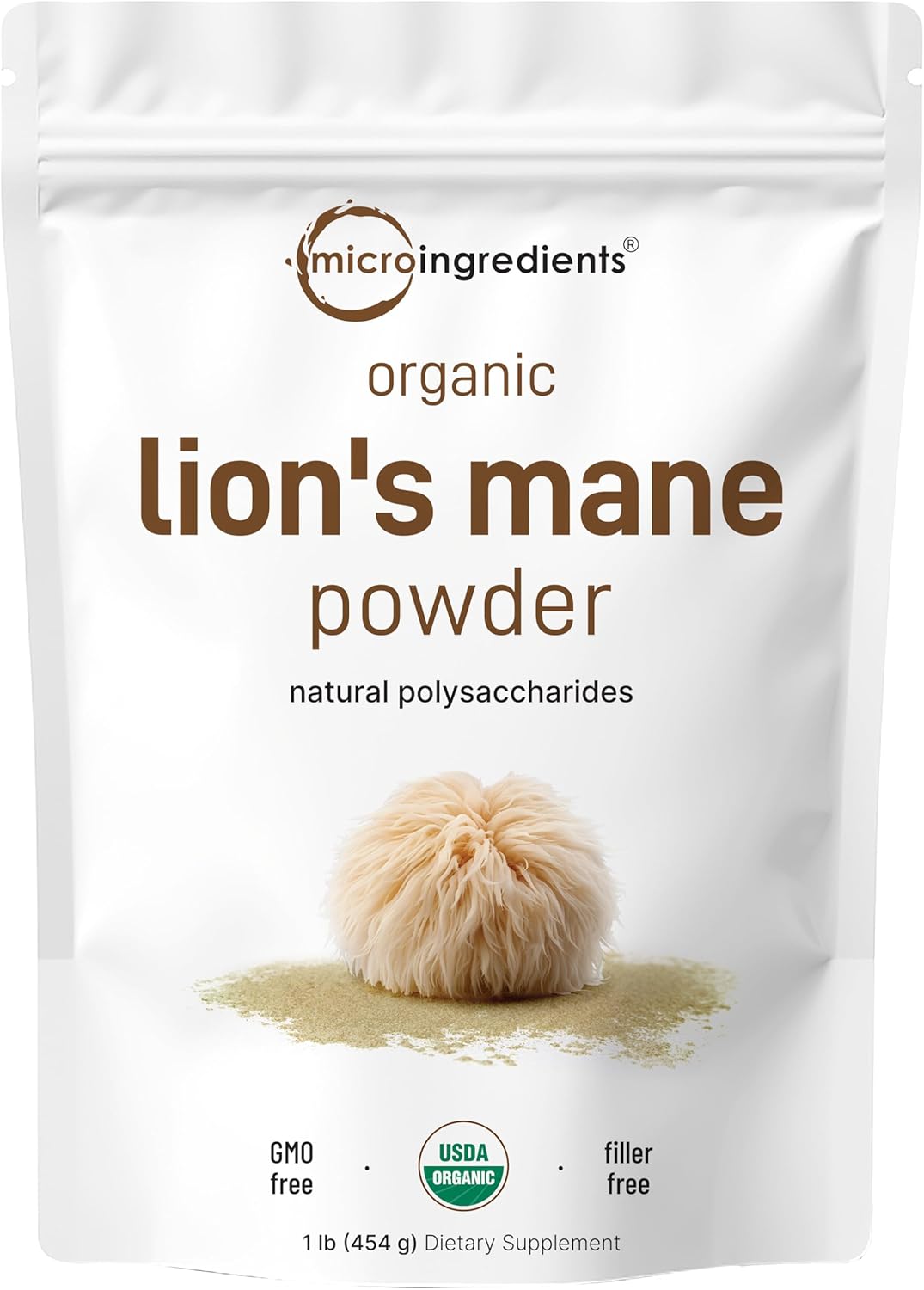
Micro Ingredients Organic Lions Mane Mushroom Supplement Powder, 16 Ounce | Natural Superfood for Brain, Energy, & Immune Health | Non-GMO Vegan
$38.95 Buy Now


:max_bytes(150000):strip_icc()/Why-Soups-Taste-Better-at-Restaurants-14bfba2f3d954f8db1e5a0c60a173c18.jpg&description=Why+Soups+Taste+Better+at+Restaurants%2C+According+to+a+Chef)