
Why Our Brain Needs Sleep, and What Happens If We Don’t Get Enough of It
The Importance of Sleep for Our Brains
Many of us have experienced the effects of sleep deprivation: feeling tired and cranky, or finding it hard to concentrate. Sleep is more important for our brains than you may realize. While it may appear we’re “switching off” when we fall asleep, the brain is far from inactive. In fact, research has shown that sleep plays a crucial role in brain function and development.
What Happens in Our Brains While We Sleep
Sleep serves many different functions, one of which is to help us remember experiences we had during the day. REM sleep is thought to be important for emotional memories, such as memories involving fear, or procedural memory, such as how to ride a bike. On the other hand, slow-wave sleep is thought to reflect the storing of so-called “declarative” memories, which are the conscious record of our experiences and what we know.
We also know that experiences are “replayed” in the brain during sleep, with memories of these experiences being like segments from a movie that can be rewound and played forward again. This replay occurs in neurons in the hippocampus, a brain region important for memory, and has been best studied in rats learning to navigate a maze. After a navigation exercise, when the rat is resting, its brain replays the path it took through the maze. Replay helps to strengthen the connections between brain cells, and is therefore thought to be important for consolidating memories.

The Importance of Sleep for Memory Consolidation
But is it that important for us to remember what we had for breakfast? Probably not – that’s why the brain needs to be selective about what it remembers. Sleep allows the brain to sift through memories, forgetting certain things so as to remember what’s important. One way it may do this is by “pruning away” or “scaling down” unwanted connections in the brain.
A leading theory of sleep function – the “synaptic homeostasis hypothesis” – suggests that during sleep there is a widespread weakening of connections (known as “synapses”) throughout the brain. This is thought to counterbalance the overall strengthening of connections that occurs during learning when we are awake. By pruning away excess connections, sleep effectively “cleans the slate” so we can learn again the next day.
The Effects of Sleep Deprivation
Getting enough sleep is important for attention and learning during our waking hours. When we are sleep deprived, we can’t focus on large amounts of information or sustain our attention for long periods. Our reaction times are slowed, and we are less likely to be creative or discover hidden rules when trying to solve a problem.
When you haven’t had enough sleep, your brain may force itself to shut down for a few seconds when you’re awake. During this “micro-sleep” you may become unconscious for a few seconds without knowing it. Drowsiness while driving is a leading cause of motor vehicle accidents, with sleep deprivation affecting the brain just as much as alcohol. Sleep deprivation can also lead to fatal accidents in the workplace – a major issue in shift workers.
The Long-Term Effects of Sleep Deprivation
The longer-term effects of sleep deprivation are more difficult to study in humans for ethical reasons, but chronic sleep disturbances have been linked to brain disorders such as schizophrenia, autism, and Alzheimer’s. We don’t know if sleep disturbances are a cause or symptom of these disorders.
Conclusion
In conclusion, sleep is essential for our brains to function properly. During sleep, our brains consolidate memories, process emotions, and clear out toxins. When we don’t get enough sleep, our brains can’t function properly, leading to problems with attention, learning, and memory. It’s clear that getting enough sleep is crucial for our overall health and well-being.
FAQs
Q: How much sleep do I need?
A: The amount of sleep you need varies depending on your age and lifestyle. Generally, adults need 7-9 hours of sleep per night, while children and teenagers need more sleep.
Q: What happens if I don’t get enough sleep?
A: If you don’t get enough sleep, you may experience problems with attention, learning, and memory. You may also feel tired, irritable, and anxious.
Q: Can sleep deprivation cause long-term damage?
A: Yes, chronic sleep deprivation has been linked to brain disorders such as schizophrenia, autism, and Alzheimer’s. However, it’s not clear if sleep disturbances are a cause or symptom of these disorders.
Q: How can I improve my sleep?
A: You can improve your sleep by establishing a consistent sleep schedule, creating a relaxing bedtime routine, and avoiding stimulating activities before bedtime. You can also try relaxation techniques such as meditation or deep breathing to help you fall asleep.
Recommended Products:
-
Sale!

Ancient Nutrition Collagen Powder Protein, Multi Collagen Protein Beauty + Sleep with Vitamin C, Vanilla Chai, Hydrolyzed Collagen Peptides Supports Skin and Nails, Sleep, 16.1oz
Original price was: $54.95.$46.71Current price is: $46.71. Buy Now -
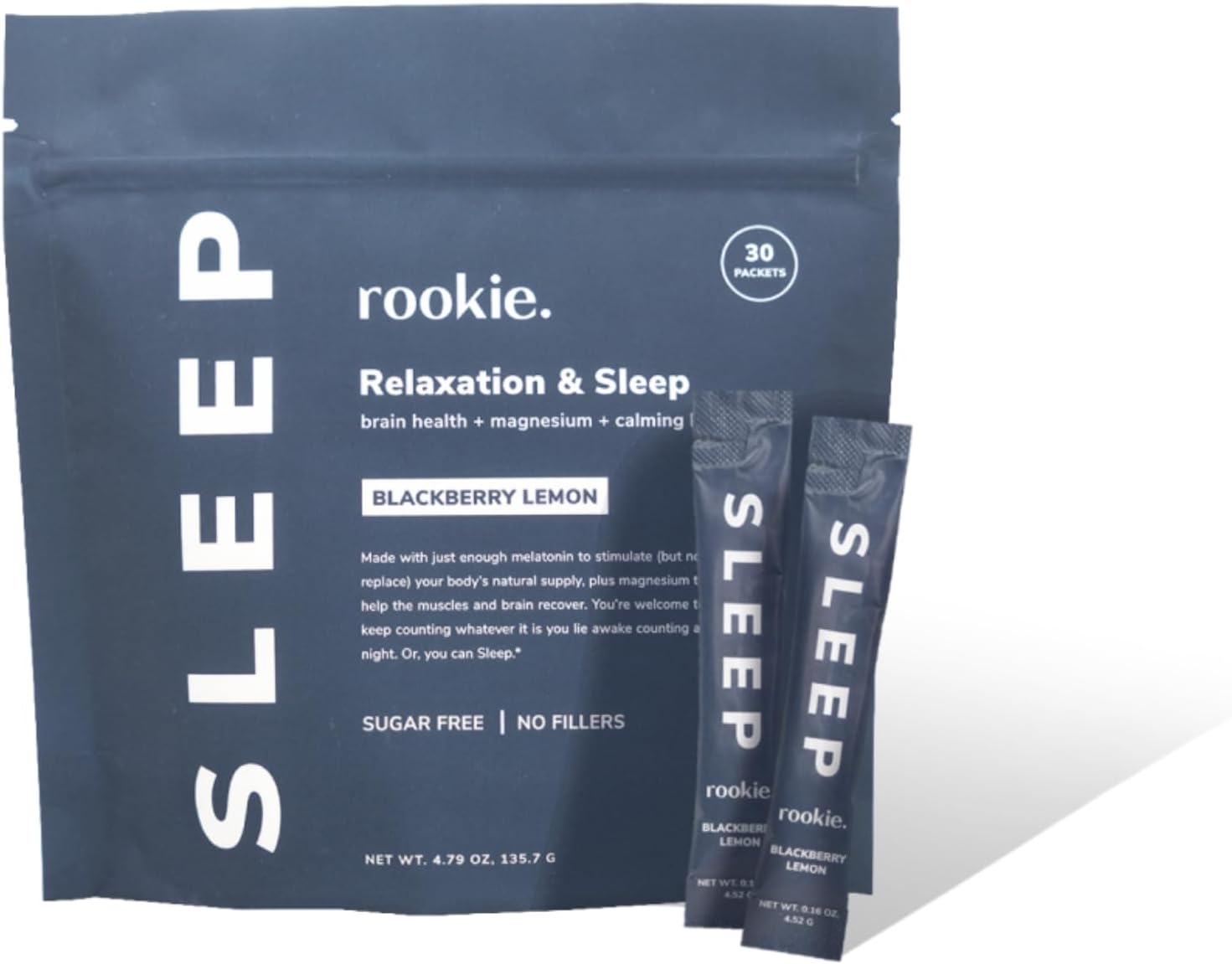
Rookie Wellness Sleep – Natural Sleep Aid with 180 mg of Magnesium Bisglycinate, 1 mg Melatonin, Valerian Root, & Passion Flower to Promote Tranquility & Sleep (30 Pack, BlackBerry Lemon)
$49.00 Buy Now -

Aromasong Extra Strength Ultra-Pure Magnesium Spray (23mg Magnesium in Each Spray) 8 Oz, Magnesium Oil (8 oz.)
$9.97 Buy Now