How much does your phone’s blue light really delay your sleep? Relax, it’s just 2.7 minutes
The Myth of Blue Light and Sleep
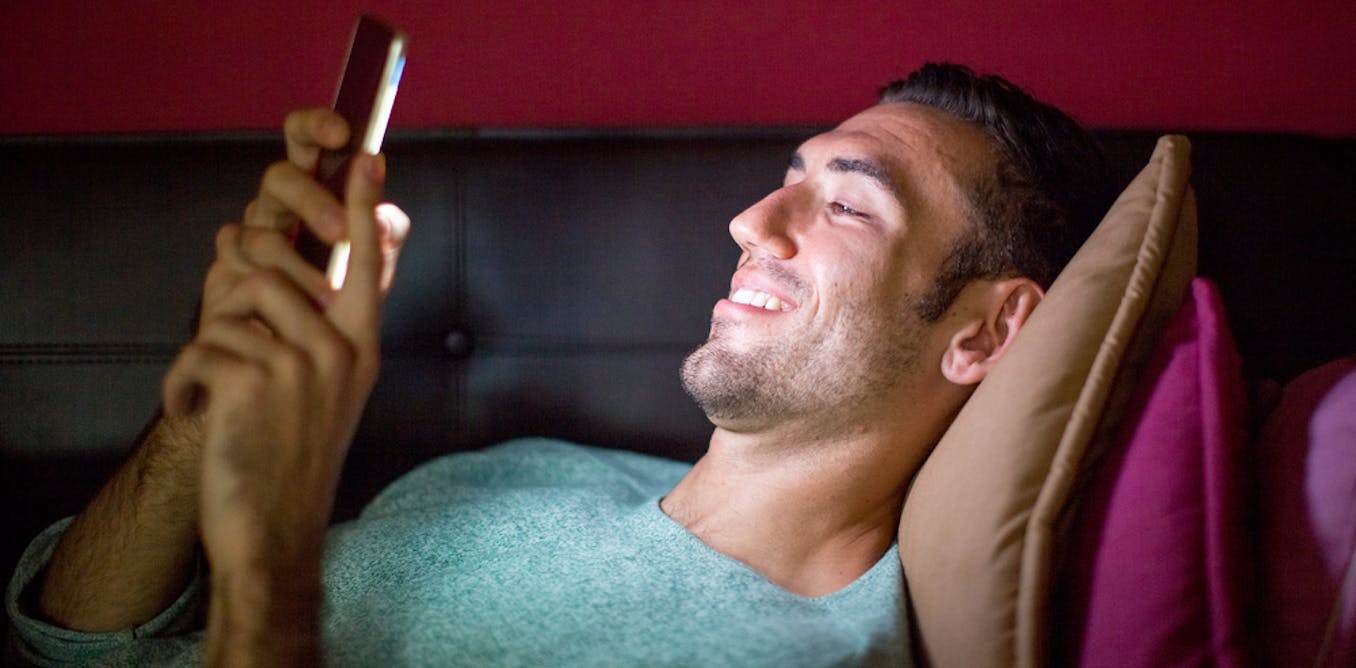
It’s one of the most pervasive messages about technology and sleep. We’re told bright, blue light from screens prevents us from falling asleep easily. We’re told to avoid scrolling on our phones before bedtime or while in bed. We’re sold glasses to help filter out blue light. We put our phones on “night mode” to minimize exposure to blue light. But what does the science actually tell us about the impact of bright, blue light and sleep?
The Science
When our group of sleep experts from Sweden, Australia, and Israel compared scientific studies that directly tested this, we found the overall impact was close to meaningless. Sleep was disrupted, on average, by less than three minutes.
What We Found
We gathered evidence from 73 independent studies with a total of 113,370 participants of all ages examining various factors that connect technology use and sleep. We did indeed find a link between technology use and sleep, but not necessarily what you’d think. We found that sometimes technology use can lead to poor sleep, and sometimes poor sleep can lead to more technology use. In other words, the relationship between technology and sleep is complex and can go both ways.

How Technology Affects Sleep
Technology is proposed to harm our sleep in a number of ways. But here’s what we found when we looked at the evidence:
* Bright screen light: Across 11 experimental studies, people who used a bright screen emitting blue light before bedtime fell asleep an average of only 2.7 minutes later. In some studies, people slept better after using a bright screen. When we were invited to write about this evidence further, we showed there is still no meaningful impact of bright screen light on other sleep characteristics, including the total amount or quality of sleep.
* Arousal: A measure of whether people become more alert depending on what they’re doing on their device. Across seven studies, people who engaged in more alerting or “exciting” content (for example, video games) lost an average of only about 3.5 minutes of sleep compared to those who engaged in something less exciting (for example, TV). This tells us the content of technology alone doesn’t affect sleep as much as we think.
* Sleep disruption: At night (for example, being awoken by text messages) and sleep displacement (using technology past the time that we could be sleeping) can lead to sleep loss. So while technology use was linked to less sleep in these instances, this was unrelated to being exposed to bright, blue light from screens before bedtime.
Which Factors Encourage More Technology Use?
Research we reviewed suggests people tend to use more technology at bedtime for two main reasons:
* There are also a few things that might make people more vulnerable to using technology late into the night and losing sleep.
* People who are risk-takers or who lose track of time easily may turn off devices later and sacrifice sleep. Fear of missing out and social pressures can also encourage young people in particular to stay up later on technology.
What Helps Us Use Technology Sensibly?
Last of all, we looked at protective factors, ones that can help people use technology more sensibly before bed. The two main things we found that helped were self-control, which helps resist the short-term rewards of clicking and scrolling, and having a parent or loved one to help set bedtimes.
Conclusion
In conclusion, the myth that blue light from screens prevents us from falling asleep easily is essentially a myth, albeit a very convincing one. While technology use can lead to poor sleep, the impact is much smaller than we think. There are many factors that can affect sleep, and bright, blue screen light likely isn’t one of them.
FAQs
Q: Does blue light from screens really affect sleep?
A: No, the science suggests that blue light from screens has a minimal impact on sleep.
Q: How much sleep is disrupted by technology use?
A: On average, sleep is disrupted by less than three minutes.
Q: Are there other factors that affect sleep?
A: Yes, many factors can affect sleep, including the content of technology use, sleep disruption, and sleep displacement.
Q: What can I do to use technology more sensibly before bed?
A: You can use self-control to resist the short-term rewards of clicking and scrolling, and having a parent or loved one to help set bedtimes.
Q: Should I be worried about the impact of technology on my sleep?
A: No, the impact of technology on sleep is much smaller than we think. However, it’s still important to be aware of your own sleep needs and how technology affects you.
Recommended Products:
-

Sweet Dreams Dream Potion Sleep Support Blend with Magnesium Glycinate, Glycine, L-Theanine & Chamomile – Sugar Free Blueberry Flavor (30 servings)
$39.99 Buy Now -

Ritual Sleep BioSeries™ Melatonin: Sleep Aid for Adults, Sleep Supplement with Time Released Capsules, Drug Free Sleep Vitamins for Adults for All Night Sleep Support, 20 Capsules
$27.99 Buy Now -

Hemp Gummies – Helps Support Sleep, Peace and Relaxation – High Strength and Support All Natural Tasty Fruit Flavors – Made in USA – 100ct
$24.95 Buy Now