
What You Should Know About Low Sodium Eating
Did you know that the average American eats five or more teaspoons of salt each day—20 times more than the body needs? Sodium is a mineral found naturally in many foods. Having the right amount of sodium in your diet helps your body stay hydrated and keeps your muscles and nerves running smoothly.
Unfortunately, many people eat too much sodium, and that can be harmful. High sodium diets can cause serious health problems down the road, like high blood pressure and an increased risk for heart disease and stroke.
Here are the basics you need to know about how low sodium eating can affect your health.
What Is a Low Sodium Diet?
Eating a low sodium diet involves cutting down on the sodium you eat and drink. Start by reducing the amount of high sodium foods in your diet, like regular canned soups, frozen dinners, processed cheese, and pre-seasoned, packaged rice and pasta mixes.
You might be surprised to know most dietary sodium doesn’t actually come from table salt added to food when cooking or eating. Seventy percent of sodium in the diet comes from packaged, processed, and prepared foods.
Large amounts of sodium hide in processed, and convenience foods and foods served at fast food restaurants.
What are the benefits of low sodium eating?
Recent studies show that people who decrease sodium intake may experience short-term benefits in a matter of weeks, including feeling less bloated or less thirsty.
Sodium-restricted diets may also have longer-term benefits.
Tips on How To Eat Less Sodium
1. Buy fresh and prepare your own food To avoid the hidden sodium content in many processed foods, try buying fresh, whole foods and preparing your own low-sodium meals.
2. Add flavor without salt Who says you need salt to bring flavor to your home-cooked meals? Limit the amount of table salt and instead add other flavorings to spice up your food. Here are a few flavorful options to consider:
* Garlic (fresh or powder)
* Onion powder
* Lemon juice
* Nutritional yeast
* Balsamic or red wine vinegar
* Paprika
* Red pepper flakes
3. Rinse high-sodium foods For some sodium-loaded canned beans, you can easily reduce the amount of salt just by rinsing them. First, empty out the water or brine that came in the can. Then, rinse the beans thoroughly in a colander.
4. Track your sodium intake There are many ways to track your sodium intake. For example, you can use a mobile app or a food diary to monitor how much sodium you’re consuming each day. If you’re unsure about whether your diet is low in sodium, try looking at the nutrition labels on packaged foods for the sodium content. If a food item is high in sodium (more than 20% of the daily recommended value per serving), make note of it and try to choose an alternative.
Low Sodium Foods To Eat
A good way to reduce the risk of heart disease and other health conditions is to choose foods low in sodium. Here’s a list of lower sodium food items to consider:
* Grains:
+ Quinoa
+ Brown rice
+ Whole grain pasta
+ Oats
* Protein:
+ Fresh cuts of chicken, beef, and pork
+ Fresh or frozen fish
+ Eggs
+ Dried beans, peas, and lentils
+ Raw nuts
* Vegetables and Fruits:
+ Fresh and frozen vegetables
+ Fresh fruits
* Dairy:
+ Non-fat or low-fat milk and milk products
+ Low-fat cheeses and yogurt
High Sodium Foods To Look Out For
Here are some foods notoriously high in sodium to look out for:
* Seasonings with salt
* Condiments, dressings, and sauces
* Processed and canned foods, including soups, beans, vegetables, and more
* Instant rice, pasta, or oatmeal
* Processed meats
* High-sodium cheeses
Frequently Asked Questions
How can I tell if a food is high in sodium?
Read the Nutrition Facts label on packaged foods. A food item is considered high in sodium if it contains more than 20% of the daily recommended value per serving. Ideally, shop for foods with 5% or less. Terms like “salted,” “cured,” or “brined” on a product mean it’s probably high in sodium.
What are some tips for eating out on a low-sodium diet?
At restaurants, ask for your food to be prepared without added salt, and order sauces and dressings on the side. Look for grilled, baked, or steamed dishes instead of fried or breaded items.
Can a low-sodium diet help with weight loss?
Low sodium diets aren’t specifically intended for weight loss, but they are typically low in highly processed foods, which have been linked with weight gain.
The Bottom Line: Guide to Low Sodium Eating
Many Americans consume far more than the recommended sodium limit, so now is a great time to start monitoring your salt intake.
To help meet your sodium goals, you can:
* Cut back on packaged and processed foods and choose low sodium snacks
* Carefully read nutrition labels
* Track your sodium intake
* Make an effort to bring low-sodium foods into your household
Of course, following a low-sodium diet doesn’t mean you have to live off plain chicken breasts and unseasoned vegetables for the rest of your life. With the right spices and flavorful substitutes, you can satisfy your taste buds without a single grain of salt.
Recommended Products:
-
Sale!
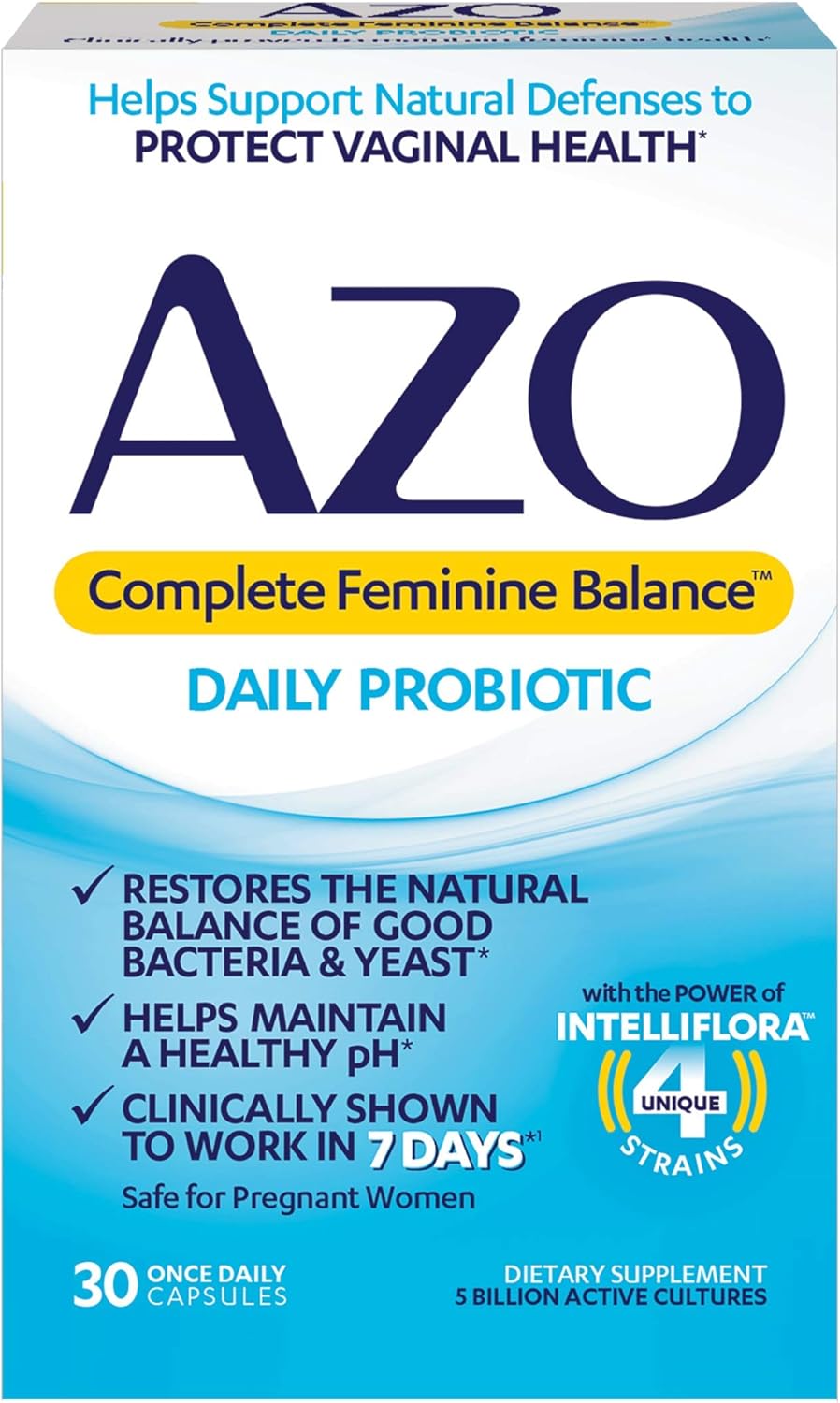
AZO Complete Feminine Balance Daily Probiotics for Women, Clinically Proven to Help Protect Vaginal Health, balance pH and yeast, Non-GMO, 30 Count
Original price was: $30.29.$23.31Current price is: $23.31. Buy Now -

4 Hour Body by Tim Ferris, Fat Burning and Muscle Building Support, Green Tea Extract Day Supplements (78 Caps) and Alpha Lipoic Acid Night Supplements (26 Caps)
$29.95 Buy Now -
Sale!

Vaginal Probiotics For Women + Prebiotics 20 Billion Cranberry Pills 30,000mg w/ D-Mannose 500 mg for Urinary Tract Health pH Balance – Womens Probiotic Vitamins for Vaginal Health Supplements Pills
Original price was: $29.95.$24.95Current price is: $24.95. Buy Now